•
•
•
•
•
•
•
•
•
•
•
•
•
•
•
•
•
•
•
•
•
•
•
•
•
•
•
•
•
•
•
•
•



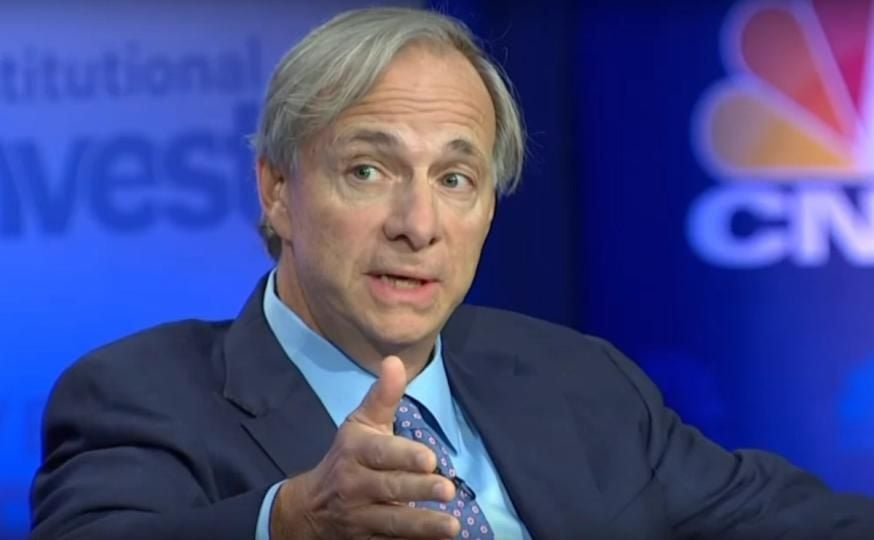
Ken Griffin, the billionaire chief of Citadel Investment, said he was “amazed” by President Donald Trump’s ability to survive multiple assassination attempts while still “bringing his A-game for the American people,” calling him “Resilient.” The same framing, the article argues, can be applied to the Trump economy—despite ongoing headwinds.
The article points to several pressures weighing on the economy, including uncertainty tied to the war in Iran. It also cites stubbornly high prices, attributing them to sticky inflation that was “not helped” by Trump’s tariff policies. While many people are working, it notes that finding a new job remains difficult.
Economic growth is described as “decent,” at a 2% annualized rate, though not strong enough to “rave about.” At the same time, the article highlights rapid changes driven by artificial intelligence across industries, which it characterizes as sometimes unsettling.
Despite these challenges, the stock market continues to reach record highs, supported by corporate earnings—described as the “ultimate indicator of underlying economic strength.” The article says earnings are also moving toward record levels, with analysts expecting growth of possibly more than 21% in 2026.
Deutsche Bank’s analysts are quoted as saying the current period is “one of the best earnings seasons in 20 years.”
The article argues that, based on historical patterns, solid earnings and strong balance sheets typically lead to companies preparing to hire—potentially “exponentially”—once the current economic cycle turns.
It also responds to a common criticism: that AI-driven productivity gains and rising corporate profits may benefit large companies and Wall Street while the broader “real economy” of average Americans does not share in the gains.
One counterpoint offered is that Wall Street and Main Street are more intertwined than before, because many Americans invest through 401(k) and pension plans. The article adds that the “Trump Accounts”—tax-advantaged investment plans for Americans under 18—are intended to broaden participation in investment returns, not only for hedge-fund traders.
The article further argues that the profit surge is not limited to technology firms. It says the current corporate profit bonanza is broad-based, with manufacturing, retail, and health care all gaining. While AI is part of the story, market strategists cited in the article connect the breadth of the corporate boom to Trump’s economic policies.
Despite “speed bumps,” the article concludes that the corporate profit boom is pointing toward a brighter future.

Premium gym chains are entering a “golden era” that is ending or already in decline, as rising operating costs collide with shifting consumer preferences toward more flexible, community-based ways to exercise. Long-term memberships are shrinking, margins are pressured by higher rents and facility expenses, and competition from smaller, more personalized…