•
•
•
•
•
•
•
•
•
•
•
•
•
•
•
•
•
•
•
•
•
•
•
•
•
•
•
•
•
•
•
•
•


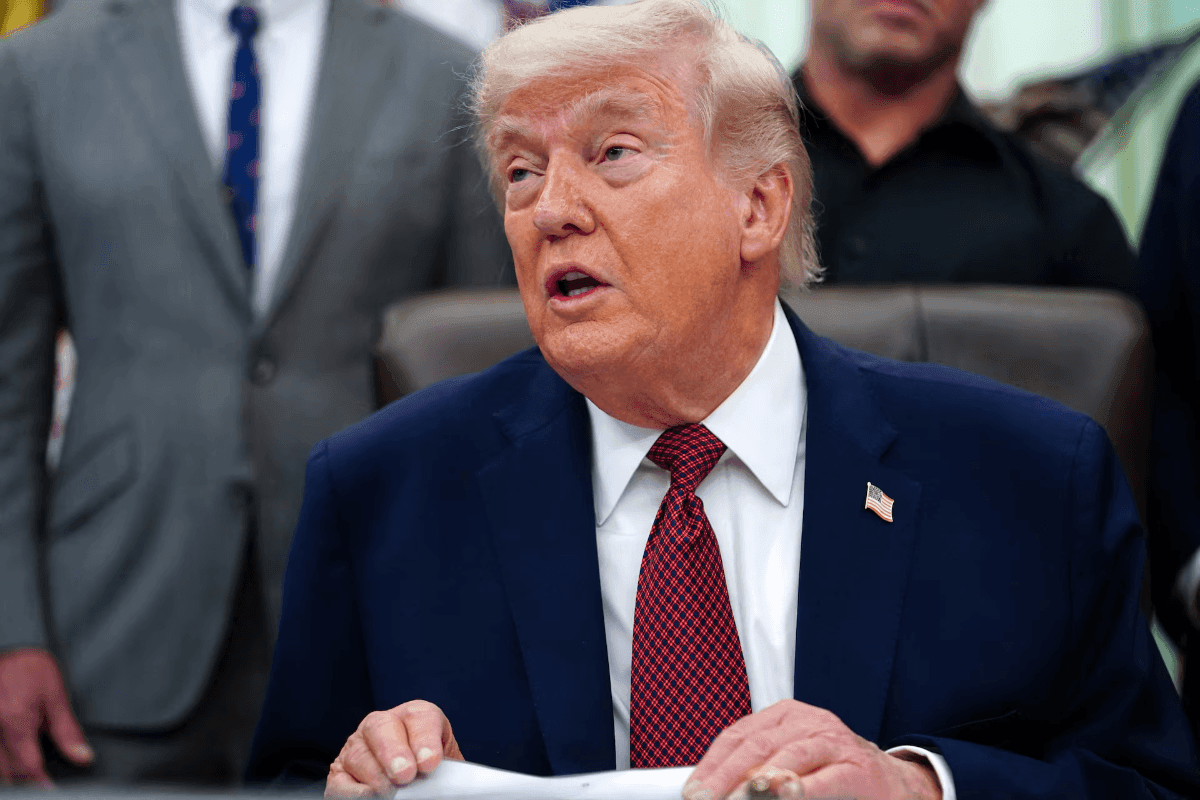
U.S. President Donald Trump extended the ceasefire with Iran by two weeks, saying the move was necessary because Tehran’s internal politics were divided. If not extended, the ceasefire announced on April 7 between the U.S. and Iran would expire at midnight on April 21, U.S. time. Trump said the extension would last "until" Iran’s leaders and negotiators present a "unified proposal" to end the war with the U.S. and Israel. Earlier that day, Trump had announced the ceasefire would not be extended. The latest development followed reports that Vice President JD Vance’s planned trip to Pakistan to participate in the second round of peace talks with Iranian officials had been postponed. Tasnim News Agency also reported Tehran negotiators told U.S. partners via a Pakistan intermediary that they would not participate in further talks. 'Today Iran states that participating in negotiations under the current circumstances would be useless because the U.S. is blocking any acceptable agreement,' Tasnim said. An adviser to the speaker of Iran’s Parliament, Mohammad Bagher Ghalibaf, called the extension a tactic to buy time for a surprise attack. On X, the adviser also argued that the U.S. Navy’s continuing blockade of Iranian ports equates to bombings and should be answered militarily. In a statement, Trump said he did not want to extend the ceasefire, but changed his mind after requests from Pakistan’s Army Chief General Asim Munir and Prime Minister Shehbaz Sharif, who are mediating the peace talks between the U.S. and Israel. 'I directed the U.S. military to continue blocking Iran’s ports and to be ready to act, while extending the ceasefire until Iran makes a proposal and negotiations are complete,' he said. Iranian officials have accused the U.S. of violating the 10-point framework Tehran presented at the outset of the fragile ceasefire. A core sticking point remains the Hormuz Strait, a vital artery for global oil shipments, which Iran had closed when the conflict began. Trump said he had agreed to reopen the strait completely. However, traffic through Hormuz remained subdued, and after the first round of peace talks failed, he ordered the blockade of Iranian ports near the strait. Last week, Iran announced it would reopen the Hormuz Strait, then a day later reversed the decision, saying the U.S. had not fulfilled commitments—including maintaining port blockades. The ceasefire is nearing expiration as Trump increases pressure on Iran.





Premium gym chains are entering a “golden era” that is ending or already in decline, as rising operating costs collide with shifting consumer preferences toward more flexible, community-based ways to exercise. Long-term memberships are shrinking, margins are pressured by higher rents and facility expenses, and competition from smaller, more personalized…