•
•
•
•
•
•
•
•
•
•
•
•
•
•
•
•
•
•
•
•
•
•
•
•
•
•
•
•
•
•
•
•
•


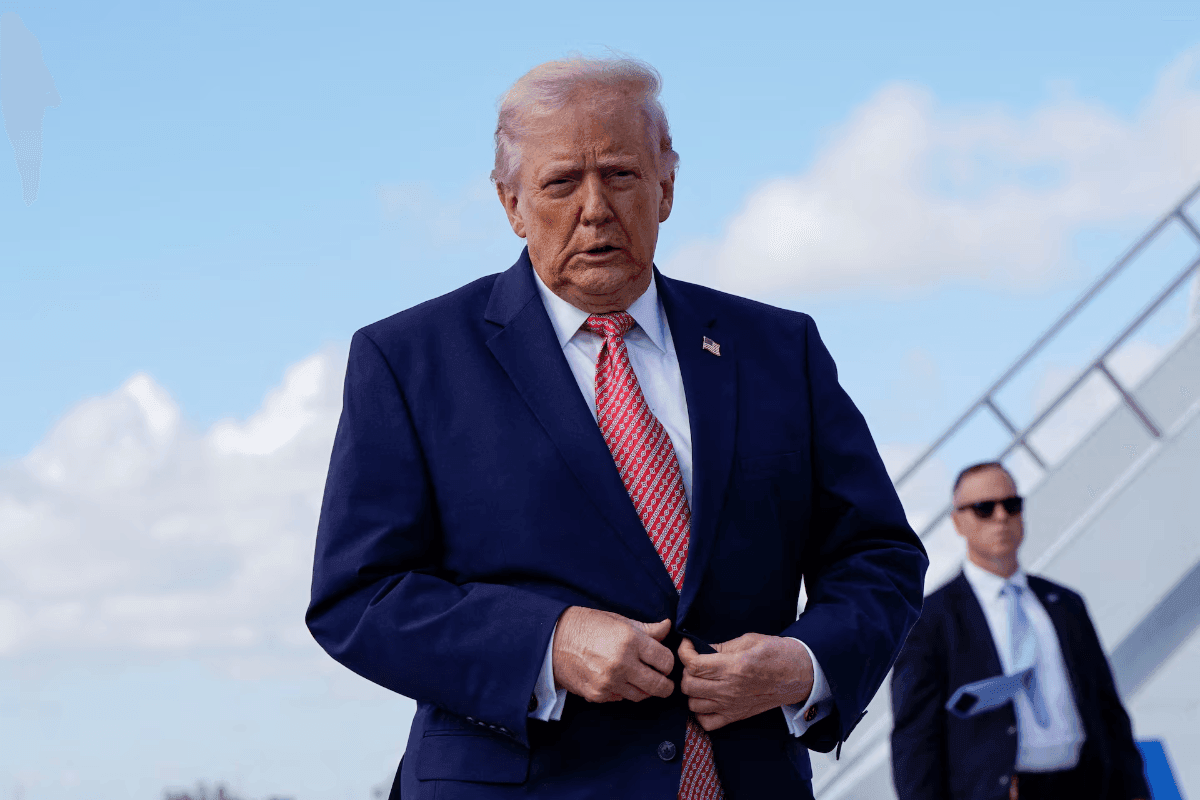
U.S. President Donald Trump said on April 18 that progress toward peace talks with Iran is looking “very good,” adding that discussions would continue as long as a ceasefire remains in place. Iranian state media, however, said the Hormuz Strait was closed again after the United States did not fulfill its commitments.
Speaking to reporters aboard Air Force One on the way back to Washington, D.C., Trump said, “About 20 minutes ago, we just received good news. Things with Iran in the Middle East look very good. A little longer, we will know more. We will negotiate this weekend.”
Trump also addressed the status of the ceasefire, which is expected to end next Wednesday, April 22. He said he “may not extend the ceasefire,” and added: “The blockade of Iran’s ports continues.”
In reporting by CNBC, a key issue in U.S.-Iran nuclear negotiations is the repatriation of materials from Iran’s nuclear program. Trump said the United States would repatriate and bring back 100% of that material after a peace agreement is signed.
On April 17, Iran unexpectedly announced that the Hormuz Strait had been opened to commercial ships during the Israel-Lebanon ceasefire. On April 18, Iranian state media said the strait had been closed again, citing that the United States did not fulfill its commitments under the agreement.
IRIB said on X that Iran had agreed to allow a limited number of vessels to pass, but that “the United States did not fulfill its obligations. Therefore, Hormuz is now closed again and passage requires Iran’s approval.”
The article states that after the U.S. and Israel launched an attack campaign against Iran on February 28, Iran closed Hormuz. By April 7, the U.S. reached a ceasefire with Iran in exchange for Iran opening Hormuz, but Iran continued to block the strait.
It also reports that talks in Islamabad last weekend between a U.S. delegation led by Vice President JD Vance and Iranian negotiators led by Speaker of Parliament Mohammad Bagher Ghalibaf failed to produce an agreement. Earlier this week, U.S. forces began blocking Iranian ports in the Hormuz region, preventing ships from entering or leaving these ports.
Iran’s Parliament Speaker Ghalibaf rejected Trump’s claim that Hormuz had been opened, writing on X: “With the United States continuing to blockade Iranian ports, Hormuz will not be open.”
A clip from ship-tracking company Kpler showed several oil and cargo ships attempting to pass Hormuz on Friday but turning back. Matt Smith, head of basic materials research at Kpler, told CNBC: “Clearly those ships were not permitted to pass.”
Iranian state media described the April 17 opening as limited. It said commercial ships must coordinate with Iranian forces to pass through Hormuz, citing a source close to Iran’s Supreme National Security Council. According to Tasnim News, vessels are not allowed to pass if their cargo is related to countries hostile to Iran, and the strait would be closed if the U.S. naval blockade continues.





Premium gym chains are entering a “golden era” that is ending or already in decline, as rising operating costs collide with shifting consumer preferences toward more flexible, community-based ways to exercise. Long-term memberships are shrinking, margins are pressured by higher rents and facility expenses, and competition from smaller, more personalized…