•
•
•
•
•
•
•
•
•
•
•
•
•
•
•
•
•
•
•
•
•
•
•
•
•
•
•
•
•
•
•
•
•


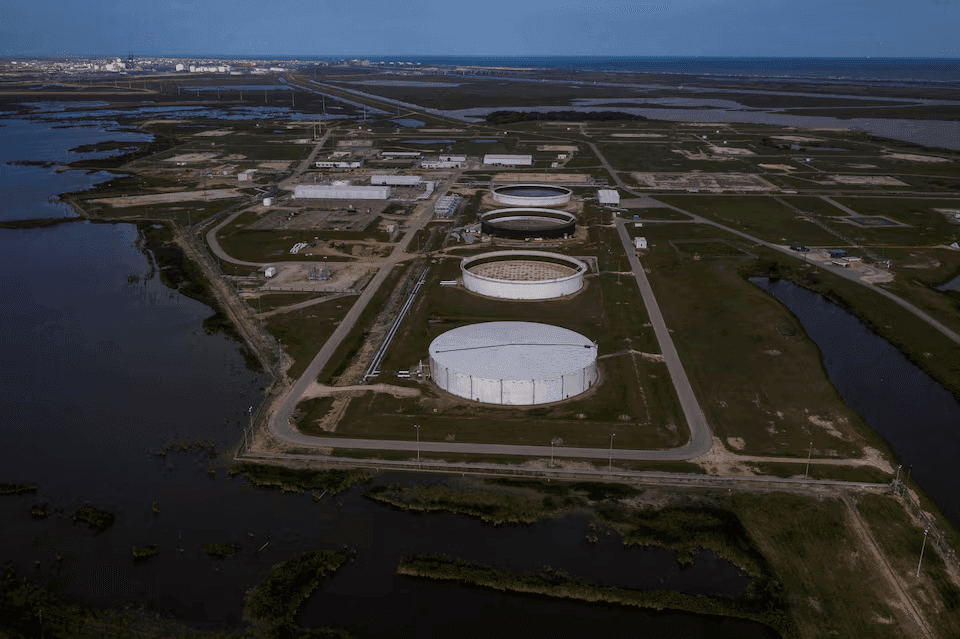
The U.S. government said on Monday, May 11, that nine U.S. energy companies will be allowed to borrow a total of 53.3 million barrels of crude oil from the Strategic Petroleum Reserve (SPR). The decision is part of a broader effort to cool global oil markets after prices rose sharply in connection with the Iran conflict.
The 53.3 million barrels equate to about 58% of the 92.5 million barrels the U.S. Energy Department issued for SPR borrowings last month. The nine companies include Exxon Mobil, Trafigura, and Marathon Petroleum.
In the new allocation, Trafigura is set to receive the largest share, nearly 13 million barrels. Marathon and Exxon Mobil are listed among the other major recipients.
The oil from the new allocation is expected to enter the market from June to August, aligning with the peak U.S. driving season. During this period, refineries typically increase throughput to meet summer gasoline demand.
Previously, the Energy Department lent around 80 million barrels from the SPR. Including the new oil, the U.S. has agreed to release 133.1 million barrels to the market, approaching the target of 172 million barrels from the SPR.
The plan follows a deal the U.S. reached in March with more than 30 IEA member countries. Under that agreement, about 400 million barrels of oil would be released to ease price pressures after Iran blocked the Hormuz Strait, a key sea route that transports roughly 20% of global oil consumption.
Last week, the U.S. released a record 1.22 million barrels per day onto the market. Some of the SPR oil is expected to be exported rather than remain in the U.S., including shipments to Europe and South America.
Fatih Birol, the IEA’s executive director, said the Iran conflict has caused the biggest energy crisis in history. On May 7, Birol said the IEA is ready to continue releasing oil from member countries’ strategic reserves if supply disruptions persist, noting that member countries have used only about 20% of their mobilizable reserves.
Rising fuel prices are also increasing political pressure on President Donald Trump’s Republican Party as it seeks to maintain its narrow majority in the U.S. Congress ahead of the November midterm elections.
According to the American Automobile Association (AAA), average U.S. gasoline prices on Monday rose to $4.52 per gallon, the highest since 2022.
The Energy Department said borrowers will repay with crude oil and may be required to provide an additional oil amount up to 24% of the borrowed volume.
The SPR currently holds about 384 million barrels stored in salt caverns at four coastal locations in Texas and Louisiana. The level is described as not even covering global oil demand for four days.
Premium gym chains are entering a “golden era” that is ending or already in decline, as rising operating costs collide with shifting consumer preferences toward more flexible, community-based ways to exercise. Long-term memberships are shrinking, margins are pressured by higher rents and facility expenses, and competition from smaller, more personalized…