•
•
•
•
•
•
•
•
•
•
•
•
•
•
•
•
•
•
•
•
•
•
•
•
•
•
•
•
•
•
•
•
•


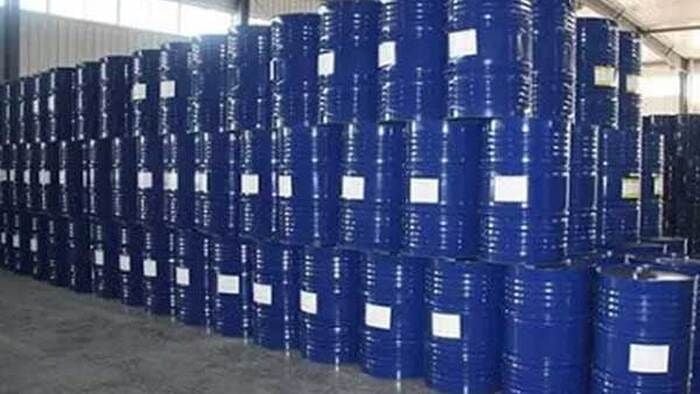
The Vietnamese PTMEG manufacturing sector is facing a major challenge as the U.S. Department of Commerce (DOC) considers initiating an anti-dumping investigation with a record-high proposed duty rate, potentially causing substantial disruption to exports to the U.S. market. According to the Trade Remedies Department of the Ministry of Industry and Trade, U.S. domestic producers filed a complaint requesting the DOC to initiate an anti-dumping investigation on PTMEG imported from China, Korea, Taiwan (China), and Vietnam. The plaintiff is BASF Corporation. The product under investigation is PTMEG under HTSUS 3907.20.00 (now 3907.29.00). In the complaint, the plaintiff named one Vietnamese exporter that ships PTMEG to the United States in large quantities. Vietnam is proposed duties ranging from 78.72% to 295.36%, the highest among the countries under investigation. PTMEG (Polytetramethylene Ether Glycol) is a premium white waxy solid polyether polyol, which melts into a clear liquid. It is a key raw material in the production of polyurethane elastomers, spandex fibers, adhesives, and high-performance coatings due to its abrasion resistance, tear resistance, and flexibility at low temperatures. Notably, because the United States regards Vietnam as a non-market economy (NME), the plaintiff asked the DOC to use surrogate values from at least one market-economy country to determine the dumping margin for Vietnam. Based on the 'List of surrogate countries' in the most recent policy memo on economies similar to Vietnam based on 2024 GDP per capita, the plaintiff proposes considering surrogate countries including Indonesia, El Salvador, and Jordan. DOC is in the pre-initiation stage pending a decision on whether to initiate anti-dumping investigation on PTMEG from Vietnam. Specifically, the DOC has requested the plaintiff to provide additional data details and calculation methodology by the deadline of 20 April 2026. The investigation will be conducted by two agencies: DOC (to determine dumping) and ITC (to assess economic injury). The product will only be subject to anti-dumping duties if both agencies issue affirmative determinations. To prepare for the case, the Trade Remedies Authority recommends that Vietnamese firms producing and exporting related products closely monitor the developments, study the procedures and steps for anti-dumping investigations in the United States, and prepare a strategy for potential counterclaims if the DOC initiates an investigation; cooperate fully with U.S. investigators. Be proactive in registering for IA ACCESS on the DOC's electronic information portal to update information and file documents related to the U.S. investigation. Regularly coordinate with the Trade Remedies Agency to receive timely support.






Premium gym chains are entering a “golden era” that is ending or already in decline, as rising operating costs collide with shifting consumer preferences toward more flexible, community-based ways to exercise. Long-term memberships are shrinking, margins are pressured by higher rents and facility expenses, and competition from smaller, more personalized…