•
•
•
•
•
•
•
•
•
•
•
•
•
•
•
•
•
•
•
•
•
•
•
•
•
•
•
•
•
•
•
•
•


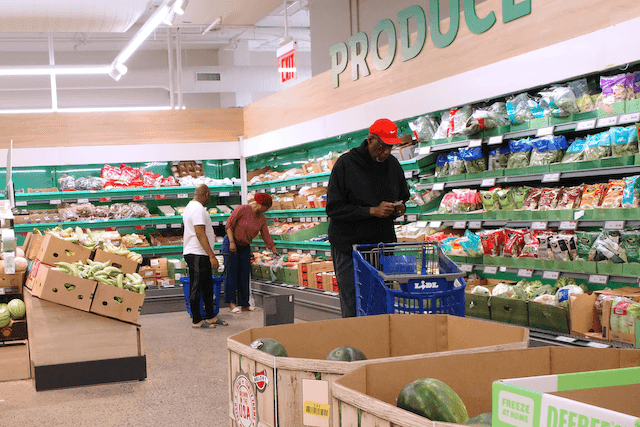
Prices for goods and services in the United States continued to rise faster than forecast in April, according to a Labor Department report released on May 13, renewing concerns about inflation pressures on the world’s largest economy.
The Consumer Price Index (CPI) rose 0.6% from March, matching market expectations. On a year-over-year basis, CPI increased 3.8%, which was 0.1 percentage point above the Dow Jones forecast and marked the highest overall inflation rate since May 2023. The CPI rate was also up 0.5 percentage point from the previous month.
Excluding food and energy, core CPI rose 0.4% month over month and 2.8% from a year earlier, both well above the Federal Reserve’s 2% inflation target.
Energy prices climbed 3.8% in the month and were 17.9% higher than a year earlier, continuing to be a major driver of inflation. Gasoline prices rose 28.4% year over year.
Food prices increased 0.5% from March and 3.2% from a year earlier.
Inflation pressures also extended beyond energy. Housing costs rose 0.6%, while apparel increased 0.6%, described as tariff-sensitive. Airfares jumped 2.8% from March and were up 20.7% year over year. Other categories with tariff-related effects included furniture and household operations, which rose 0.7%.
The report also pointed to negative wage development for American workers. Average hourly earnings, adjusted for inflation, fell 0.5% from the prior month and were down 0.3% from a year earlier.
Following the report, U.S. stock futures fell while Treasury yields rose. CME Group data indicated markets priced in about a 30% probability of a Federal Reserve rate hike by year-end.
“Inflation is currently the biggest constraint on the U.S. economy,” said Heather Long, chief economist at Navy Federal Credit Union.
“Americans are feeling the pinch. For the first time in three years, inflation has eroded the entire wage gains, a setback for the middle class and lower-income households that they feel acutely.”
The inflation release arrives as the Fed faces internal policy debates. At the end of April, the Fed kept rates unchanged but had four dissenters, the most since 1992. Fed Governor Stephen Miran continued to vote for a 25 basis point rate cut, while three regional Fed presidents opposed the view that the next move would be a rate cut.
Former Fed chair Kevin Warsh is thought to lean toward lower rates, a stance described as increasingly difficult to sustain as inflation accelerates since the Iran conflict.
Oil remains above $100 per barrel, and U.S. gasoline prices hover around $4.50 per gallon, according to AAA.
“With inflation moving in the wrong direction while the labor market remains resilient, the probability of Fed rate cuts in the near term is very low. Markets may even begin pricing in a rate hike again next year,” said Chris Zaccarelli, CIO at Northlight Asset Management.
Premium gym chains are entering a “golden era” that is ending or already in decline, as rising operating costs collide with shifting consumer preferences toward more flexible, community-based ways to exercise. Long-term memberships are shrinking, margins are pressured by higher rents and facility expenses, and competition from smaller, more personalized…