•
•
•
•
•
•
•
•
•
•
•
•
•
•
•
•
•
•
•
•
•
•
•
•
•
•
•
•
•
•
•
•
•


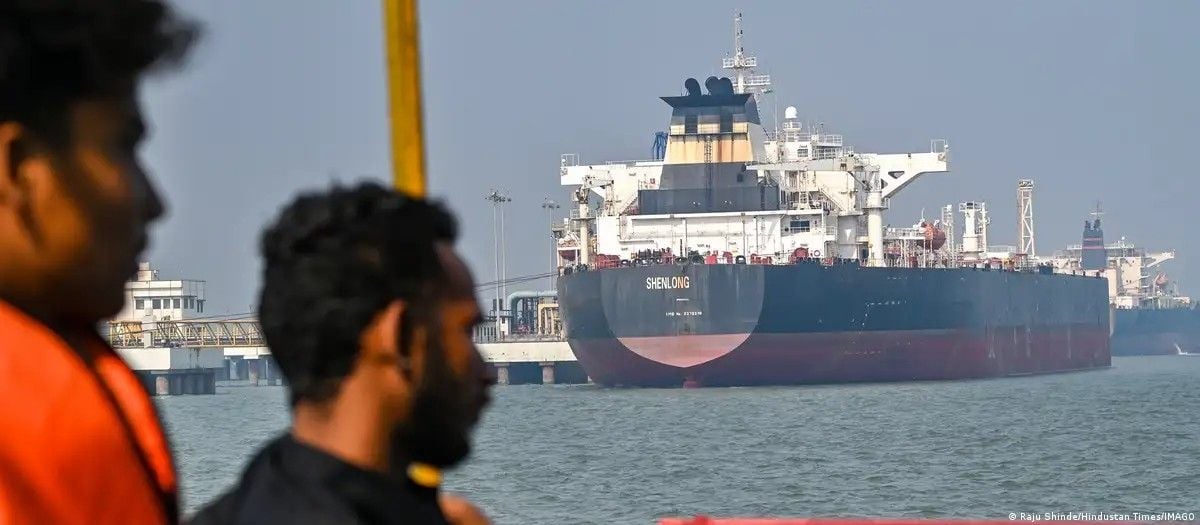
The decision by Washington not to extend the exemptions regime for oil from Russia and Iran is increasing the risk of tighter supply and higher import costs for India amid ongoing volatility in global energy markets. A 30-day temporary license issued on March 5 to mitigate global supply disruptions has expired and will not be extended. The US position, as reiterated by Scott Bessent at the White House, is that general licenses for Russian and Iranian oil will not be extended, reflecting a tougher stance aimed at maintaining economic pressure on both countries.
During the validity of the exemptions, India used policy buffers to secure supply, particularly lower-cost oil from Russia, helping the country manage energy costs during swings in global prices. With the exemptions set to end, discounted supplies are at risk of shrinking quickly, which could raise import costs and add pressure to India’s trade balance and domestic inflation.
India is the world’s fourth-largest economy and the third-largest oil importer and consumer globally. According to the Indian Ministry of Petroleum, the country remains heavily dependent on external supplies, with more than 85% of its oil demand imported.
In recent years, New Delhi became one of the largest customers of Russian crude, benefiting from discounted prices following Western sanctions. At the same time, the United States had previously eased sanctions to allow India to resume imports of Iranian oil after years of disruption.
Washington’s simultaneous tightening of these two supply sources narrows India’s procurement options. Industry experts cited in the article say the end of exemptions could affect prices and disrupt supply chains. In the short term, Indian refineries may need to seek alternatives from the Middle East, Africa, or Latin America, though these sources typically involve higher costs and come with shipping and long-term contract constraints.
The article also notes that rapid reallocation of supply can create technical and logistical challenges because different crude types have distinct properties that require adjustments in refining processes.
Another factor highlighted is compliance risk. In an increasingly complex sanctions environment, energy companies must weigh potential violations, which can raise transaction costs, insurance costs, and transportation costs.
While no official response from India is cited, analysts expect the country to adjust its energy import strategy in the near term. The article frames the challenge as balancing energy security for a fast-growing economy with geopolitical considerations, including relations with the US and Western partners.
It also points to a prior trade framework in which the US eased some barriers after India pledged to curb imports of Russian oil, underscoring that political considerations are increasingly linked to energy decisions. In that context, diversification of supply sources is expected to continue as a way to reduce dependence on any single market and improve resilience against external shocks.
The decision not to extend exemptions signals a clear policy direction for Washington, prioritizing geopolitical objectives over short-term energy market stability. The article says this could contribute to less flexible global supply and higher price volatility, with further uncertainty expected in the global oil market given ongoing geopolitical tensions and risks to supply routes.
For import-dependent economies such as India, the article concludes that these changes are not only near-term challenges but also point to the need for longer-term restructuring of energy strategy as policy space narrows in a fragmented and unpredictable environment.






Premium gym chains are entering a “golden era” that is ending or already in decline, as rising operating costs collide with shifting consumer preferences toward more flexible, community-based ways to exercise. Long-term memberships are shrinking, margins are pressured by higher rents and facility expenses, and competition from smaller, more personalized…




