•
•
•
•
•
•
•
•
•
•
•
•
•
•
•
•
•
•
•
•
•
•
•
•
•
•
•
•
•
•
•
•
•


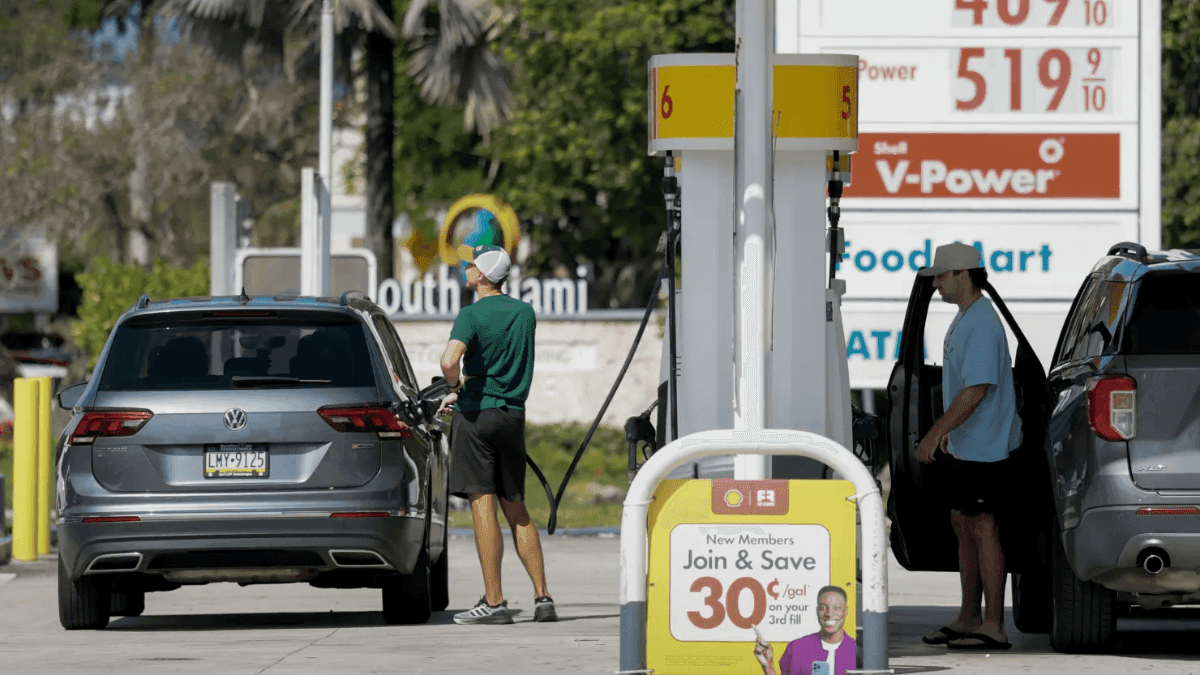
U.S. inflation accelerated in April to near a three-year high, driven by a surge in energy prices and broader increases across food and some services. The latest reading complicates the Federal Reserve’s outlook for interest-rate cuts as geopolitical risks raise the prospect of sustained price pressure.
The U.S. Bureau of Labor Statistics reported that the April Consumer Price Index (CPI) increased 3.8% year over year, the fastest pace since May 2023. That was 0.5 percentage points higher than the 3.3% rise recorded in March and above the 3.8% forecast by analysts.
On a month-over-month basis, April CPI rose 0.6%, slower than the 0.9% increase in March and in line with expectations. The softer monthly pace reflected a decline in oil prices in April versus March, though prices remained elevated.
The inflation uptick reflected stronger price momentum across energy, food, and certain services, including housing rents and airfares. Experts linked the broader rise to the stalled effort between the U.S. and Iran to end the war, warning that prices could continue rising across a wider range of goods and services.
“Prices are rising everywhere and families are struggling with rising costs,” said Janelle Jones of the Century Foundation in an interview with Reuters.
Energy prices rose 3.8% in April from March, contributing more than 40% to the CPI increase. Energy had previously risen 10.9% in March from February. Within energy, gasoline rose 5.4% after a record 21.2% increase in March, while prices of other automotive fuels, including diesel, rose 17%.
Analysts said the Gulf conflict’s impact is already visible in gasoline, diesel, and jet fuel prices, with spillover effects expected to show up next in prices of goods transported by road. Disruptions in shipping through the Hormuz Strait are also adding pressure to supply chains.
Food prices rose 0.5% after being flat in March. Rent rose 0.5%, hotel room prices increased 2.8%, and airfares rose 2.8%.
Core CPI, which excludes food and energy, rose 0.4% month over month in April, the strongest since January 2025. Year over year, core CPI increased 2.8%, compared with 2.6% in April.
On May 11, Trump proposed cutting the federal gasoline tax from the current 18.4% to curb gasoline prices and ease inflationary pressure. Jones said such measures are temporary, adding that “What consumers really need now is for the war to end.”
Inflation rising alongside a resilient labor market suggests the U.S. economy remains solid, making it harder for the Federal Reserve to cut rates. Since the latest cut in December 2025, the federal funds rate has been held at 3.5%–3.75%. The Labor Department reported last week that average hourly earnings for nonfarm workers rose 3.6% year over year.
The inflation increase also coincided with weakening consumer sentiment. The University of Michigan’s latest survey showed consumer sentiment fell to an all-time low, signaling a potential threat to growth.
Joseph Brusuelas, chief economist at RSM, said in a Reuters interview that “That’s why a soft landing in 2026 remains the base-case scenario for the U.S. economy.”
Based on CPI data, economists expect the personal consumption expenditures price index (PCE)—the inflation measure favored by the Fed—to rise 0.4% in April from March, after a 0.3% increase in March. Core PCE is forecast to be up 3.4% year over year, after a 3.2% rise in March. The Fed’s inflation goal is 2%.
Scott Anderson, chief economist at BMO Capital Markets, said: “The closure of the Hormuz Strait poses a major challenge for the Fed in the fight against inflation.”
Reinforcing expectations that the Fed may keep rates higher for longer, U.S. Treasury yields rose sharply on May 12. The 10-year yield climbed by more than 4 basis points to 4.459%, after being below 4% before the conflict.
Premium gym chains are entering a “golden era” that is ending or already in decline, as rising operating costs collide with shifting consumer preferences toward more flexible, community-based ways to exercise. Long-term memberships are shrinking, margins are pressured by higher rents and facility expenses, and competition from smaller, more personalized…