On June 14, the United States and Iran announced a framework agreement to de-escalate the nearly four-month-long conflict in the Middle East. According to Agriseco Securities, the framework agreement, which reopens the Hormuz Strait and eases geopolitical tensions, has contributed to improving investor sentiment globally. Cash is returning to risk assets, helping most global stock indices advance, while oil and gold moved lower.
Agriseco believes this development could have a positive impact on many sectors that had faced pressure from higher energy prices, transportation costs, and input costs. However, the degree of beneficiaries will vary among sectors and companies, depending on cost structure, ability to improve margins, and demand outlook in the second half of the year.
For the industrial manufacturing and energy groups, lower oil prices have reduced the input costs for many petrochemical inputs such as PVC, PP, and PE — components that make up a large share of the cost of plastics, chemicals, rubber, and packaging companies. The cost reductions could help improve gross margins, in a context where demand for construction and manufacturing is supported by lower energy and logistics costs.
In the consumer and retail sector, lower prices of raw materials, plastic packaging, vegetable oils, transportation and energy are expected to help firms reduce cost of goods sold and widen margins. At the same time, easing inflation pressures could improve purchasing power and consumer confidence, supporting sales growth.
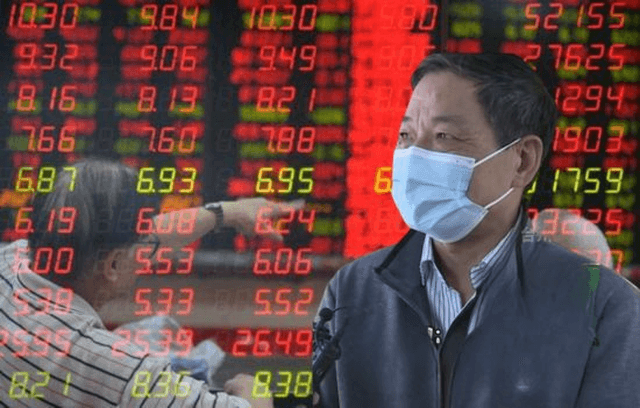
For the securities sector, a cooling in interest rates and inflation could push money back into risk assets, supporting brokerage activities as well as large-cap
stocks. Agriseco suggests that any market corrections, if they occur, could be opportunities to accumulate stocks with strong fundamentals.
The shipping, aviation, and transportation group is also expected to benefit from reduced geopolitical risk. In particular, ports could benefit from higher trade volumes and a rebound in commercial activity. Shipping costs could fall as fuel prices drop, though freight rates should be monitored. For airlines, lower jet fuel prices after Hormuz is opened could help improve margins.
From these points, Agriseco highlights five notable stocks.
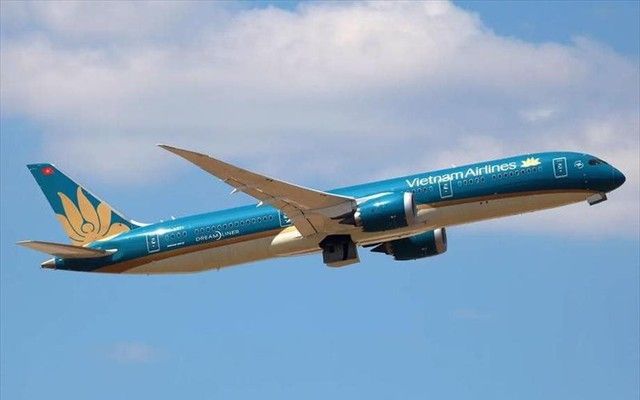
Vietnam Airlines Corporation (HVN) — lower oil prices and resumed trade could help reduce fuel costs, thereby supporting margins.
MWG (MWG) — a lower inflation environment is expected to improve purchasing power, boosting demand for electronics and technology products and supporting the retail revenue recovery.
Gemadept (GMD) — could benefit as international trade and supply chains gradually stabilize following reduced Hormuz risk.
VNDIRECT (VND) — is expected to benefit from a recovery in risk appetite and market liquidity, directly supporting brokerage, margin lending, and proprietary trading.
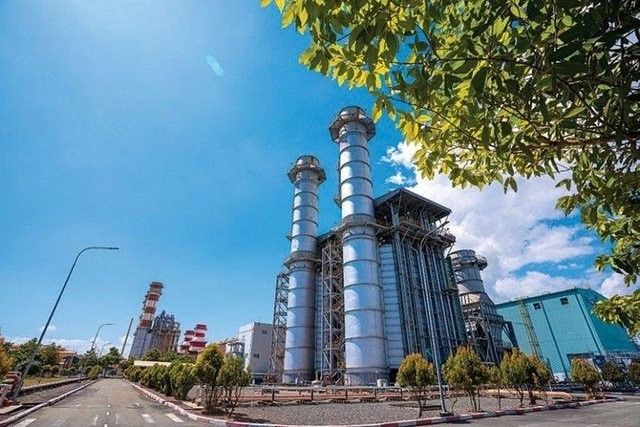
POW (Vietnam Oil and Gas Power) — Agriseco expects production and consumption demand to recover, lifting electricity demand. In addition, lower LNG prices could improve the competitiveness of the gas-fired power segment, depending on the financing mechanism and power purchase agreements.