•
•
•
•
•
•
•
•
•
•
•
•
•
•
•
•
•
•
•
•
•
•
•
•
•
•
•
•
•
•
•
•
•


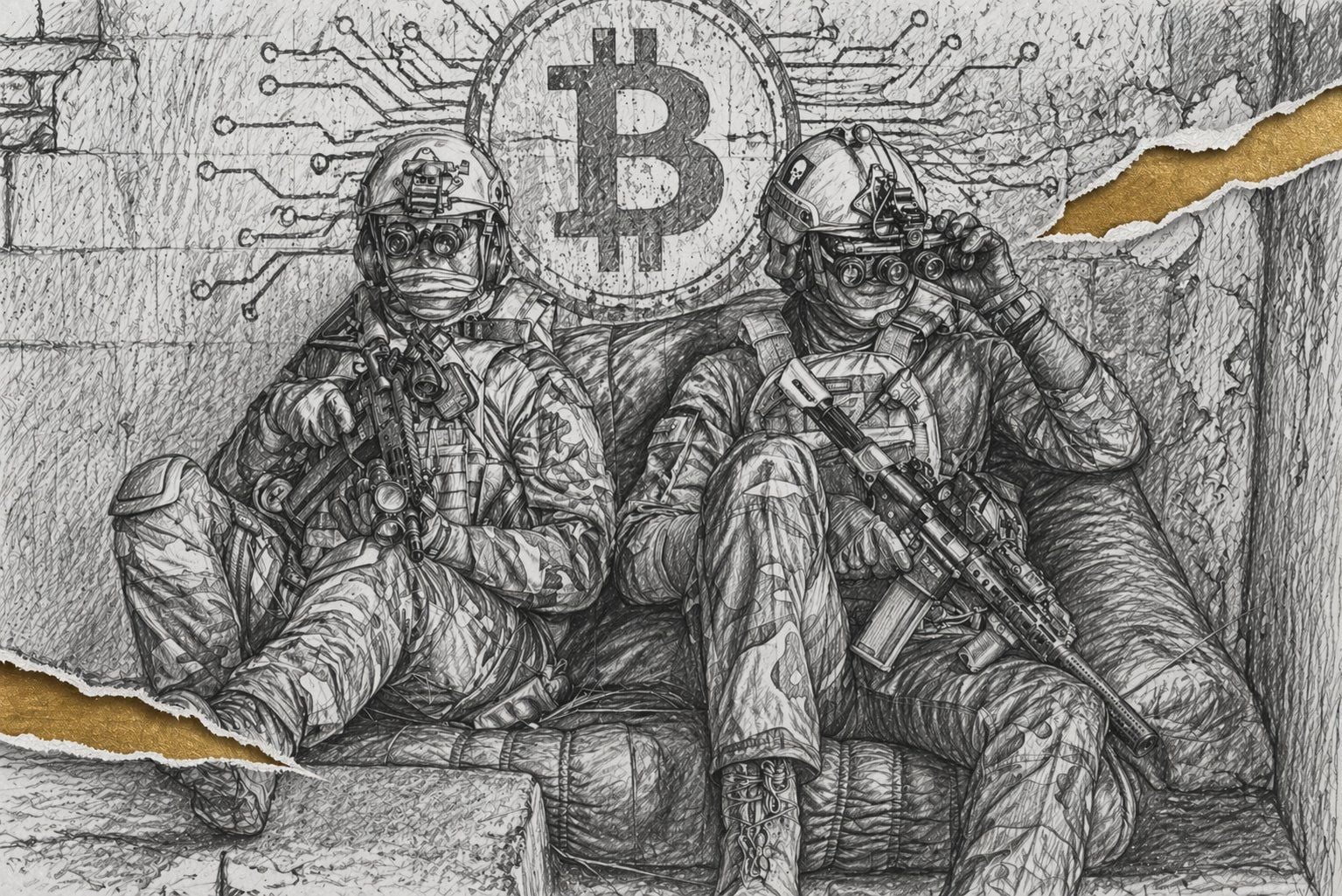
Admiral Samuel Paparo, commander of U.S. Indo-Pacific Command (INDOPACOM), told the House Armed Services Committee on Wednesday that the U.S. military is operating a live node on the Bitcoin network and conducting operational tests using the protocol to explore potential applications for securing military infrastructure.
The disclosure is the first public confirmation by a sitting U.S. combatant commander that the military is directly participating in the Bitcoin peer-to-peer network.
“We have a node on the Bitcoin network,” Paparo told lawmakers. “We’re not mining Bitcoin. We’re using it to monitor, and we’re doing a number of operational tests to secure and protect networks using the Bitcoin protocol.”
Paparo said the initiative is framed around computer science and network security rather than monetary policy or financial asset accumulation. “Our interest in Bitcoin is as a tool of cryptography, a blockchain, and a reusable proof-of-work — as an additional tool to secure networks, and to project power,” he said. “From the military application standpoint, my interest in Bitcoin is as a computer science tool.”
Paparo’s remarks came during questioning by Sen. Tommy Tuberville of Alabama, who asked whether U.S. leadership in Bitcoin could strengthen the country’s strategic position against China in the Indo-Pacific theater.
A Bitcoin node stores a full copy of the blockchain, enforces the network’s protocol rules, and relays validated data across the peer-to-peer network. Unlike mining, it requires no specialized hardware and earns no rewards.
As of early 2026, there are an estimated 15,000 to 20,000 publicly reachable full nodes on the Bitcoin network, with the actual number likely higher because many operate behind firewalls.
Paparo said the government is currently in an “experimentation” phase with the technology, and some details of INDOPACOM’s Bitcoin-related research may remain classified. He did not address Trump’s Strategic Bitcoin Reserve executive order directly, and his comments focused on the technical side of the ledger rather than the financial one.
Paparo also praised the GENIUS Act, the stablecoin legislation signed last summer, describing it as “a great step forward” toward supporting the global hegemony of the U.S. dollar.






Premium gym chains are entering a “golden era” that is ending or already in decline, as rising operating costs collide with shifting consumer preferences toward more flexible, community-based ways to exercise. Long-term memberships are shrinking, margins are pressured by higher rents and facility expenses, and competition from smaller, more personalized…




