•
•
•
•
•
•
•
•
•
•
•
•
•
•
•
•
•
•
•
•
•
•
•
•
•
•
•
•
•
•
•
•
•
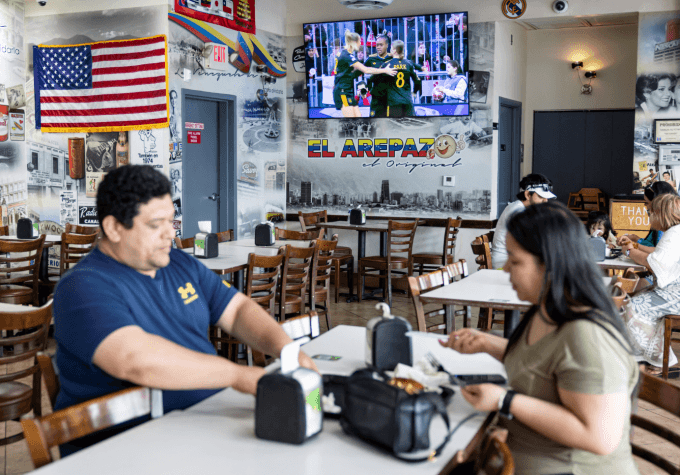
Many U.S. restaurant chains reported first-quarter revenues below forecasts as gasoline prices rose amid the Middle East conflict, leading customers to cut back on spending. The conflict has persisted for more than two months, disrupting the largest global oil-supply disruption on record and lifting the U.S. average gasoline price to $4.43 per gallon, up about 40% year over year, according to GasBuddy. In California, prices topped $6 per gallon, highlighting the pressure on the sector in the nation’s largest restaurant market.
Wingstop said higher fuel costs contributed to an 8.7% decline in its first-quarter same-store sales. CEO Michael Skipworth said the current environment is highly uncertain and that full-year revenue could be lower if fuel costs remain elevated.
Chipotle posted first-quarter same-store sales up 0.5%, beating some expectations, but kept its full-year revenue guidance flat. CFO Adam Rymer cited risk tied to the ongoing conflict and higher fuel costs. Wall Street sentiment reflected a cautious stance across the industry, with the number of analysts revising down profit forecasts for restaurant companies larger than those lifting estimates.
Sebastien Fernandez, head of research at Revenue Management Solutions, described a $4 per gallon gasoline price as a “watershed” level. After the conflict began, his firm analyzed 14.6 billion restaurant transactions over four years. The data indicate that rising gasoline prices reduce customer visits, and that the effect roughly doubles once prices pass the $4 threshold.
The firm estimated that an average gasoline price of $4.2 would reduce traffic by about 1.5%. At $5.1 or higher, fast-food chains could see a 3% drop in customers.
Even before fuel costs rose sharply, Americans were already trimming dining-out spending, prompting chains to expand discounting programs to attract customers. Taco Bell reported U.S. same-store sales up 8% in Q1 after previously launching $3 meals. “We are witnessing a record number of value menus,” said Mark Wasilefsky, chief financial research officer at TD Bank.
Domino’s CEO Russell Weiner said promotions by rivals contributed to slower-than-expected growth. While discounting may continue, Domino’s lowered its full-year revenue forecast.
Some chains have benefited from cautious consumer behavior. Starbucks CEO Brian Niccol said the company is attracting more low-income customers who view Starbucks as a small indulgence.
Investors are also watching upcoming results from McDonald’s as an indicator of the health of the U.S. dining sector. Recent results from the chain exceeded expectations, supported by affordable menu items.

Premium gym chains are entering a “golden era” that is ending or already in decline, as rising operating costs collide with shifting consumer preferences toward more flexible, community-based ways to exercise. Long-term memberships are shrinking, margins are pressured by higher rents and facility expenses, and competition from smaller, more personalized…