•
•
•
•
•
•
•
•
•
•
•
•
•
•
•
•
•
•
•
•
•
•
•
•
•
•
•
•
•
•
•
•
•
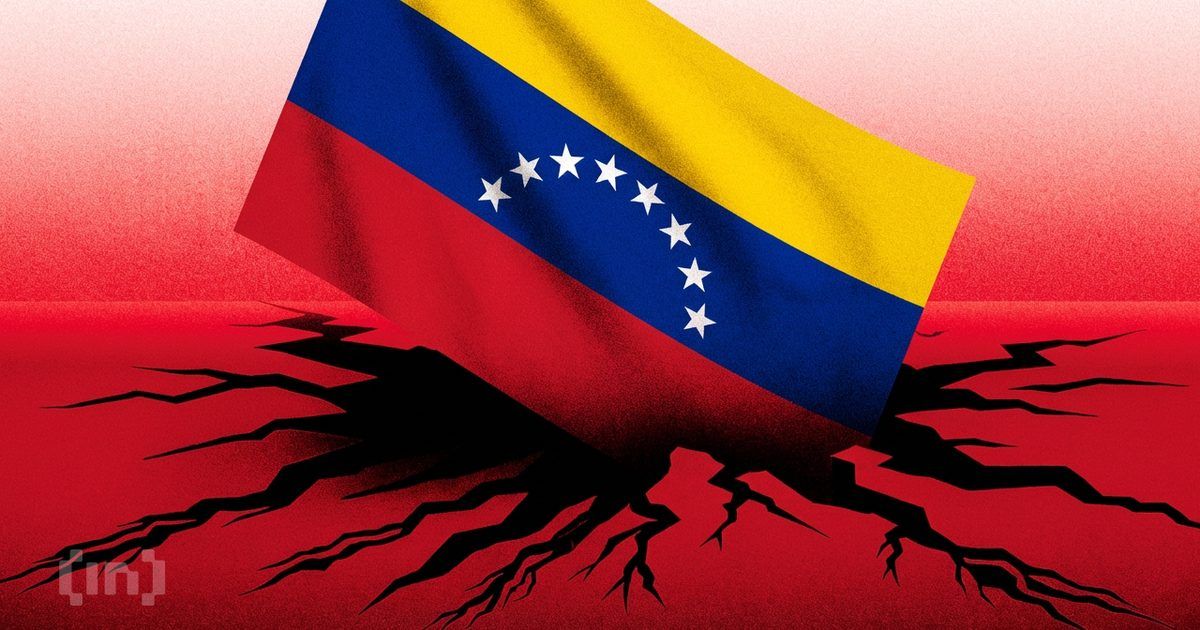
Tether (USDT) in Venezuela has risen about 16% against the bolivar over the past 30 days, climbing from near 690 bolivars to a high of 810 on Binance peer-to-peer markets.
The move comes as bolivar liquidity expands rapidly, while access to physical cash through official banks continues to shrink.
Venezuela’s monetary liquidity surpassed 2.11 trillion bolivars (about $3.58 billion) by late May, according to central bank data. The measure expanded by about 69% in the first quarter alone, and since January the money supply has more than doubled.
Analysts link the acceleration to a widening mismatch between the supply of traditional foreign currency and growing demand from citizens seeking to protect savings. As more bolivars chase scarce hard currency, residents increasingly turn to stablecoins as digital dollars to preserve value.
The USDT rate climbed steadily through mid-June before slipping back from its peak.
Demand for dollars has outpaced banks’ ability to supply them, with central bank interventions and commercial bank exchange desks described as insufficient by analysts.
Banks often shut down automated dollar systems once assigned quotas are exhausted, leaving businesses and citizens unable to buy through traditional desks. With tighter access through formal channels, households and firms have fewer options and increasingly migrate to peer-to-peer platforms, where USDT now trades as the world’s retail stablecoin.
Analyst Hever Castro said the gap is now shaping everyday commerce. Merchants in Caracas markets such as La Hoyada, El Cementerio, and Catia use the USDT rate to restock inventory, with some quoting up to 1,200 bolivars per dollar.
Castro’s perspective frames the current situation as a familiar pattern: the parallel USDT rate rising to around 810 bolívares alongside monetary liquidity of about 2.11 trillion bolívares, with BCV interventions viewed as ineffective and many buyers ending up on Binance.
USDT has functioned as a de facto dollar in Venezuela for years amid chronic inflation. The token remains pegged near parity, and steady growth in its USDT market cap reinforces its role as a dollar proxy.
Globally, USDT trades near $1, with a market cap above $186 billion, ranking it third among all crypto assets.