•
•
•
•
•
•
•
•
•
•
•
•
•
•
•
•
•
•
•
•
•
•
•
•
•
•
•
•
•
•
•
•
•


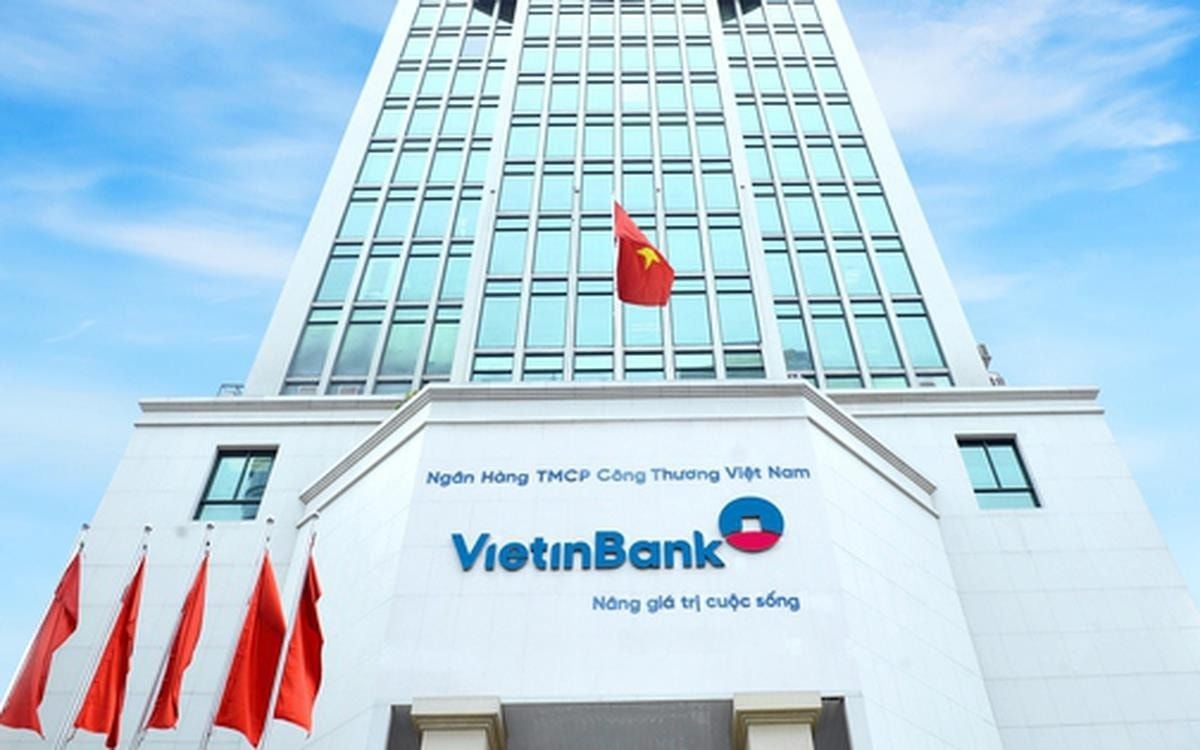
VietinBank said it is nearing the final legal steps for the transfer of the VietinBank Tower project, after working with partners and handling a large volume of related tasks.
According to Mr. Nguyen Tran Manh Trung, a member of VietinBank’s Board of Directors and General Director, the bank expects to complete all legal procedures and sign the official transfer contract in the first half of 2026, in line with the plan of the State Bank of Vietnam and partners.
On the transfer price, a VietinBank representative said the price will be determined based on market value. The bank also stated the principle that the transfer price will not be lower than the actual amount VietinBank has invested, to ensure maximum rights and benefits for VietinBank.
In July 2025, VietinBank announced an invitation for investors interested in the project transfer. Interested parties were required to meet conditions on their capacity to perform the project as required by law and to have sufficient financial capacity to participate in appraisal and negotiations related to the project transfer.
The VietinBank Tower project is located on TM1 in the Nam Thang Long urban area, Phu Thuong ward, Hanoi. Construction began on 20/10/2010, with total investment of about 10,267 billion dong. The project covers nearly 30,000 m2 and is designed as two towers with 48 and 68 floors.
Under the original plan, one tower was intended to house VietinBank’s headquarters, while the other would include a 5-star hotel, healthcare facilities, and premium rental apartments.
At the Extraordinary General Meeting of Shareholders in 2018, VietinBank presented and shareholders approved restructuring the project’s plan through the end of 2020. The project had been actively implemented and allocated substantial resources, but development faced objective requirements.
VietinBank cited two main factors. First, the bank’s capital increase process was not carried out as planned, which affected the fixed-asset investment cap and created financing difficulties for continuing the project. Second, the bank’s actual needs were expected not to fully exploit the potential of a prime multi-functional structure like VietinBank Tower.
To improve project efficiency and maximize capital for business activities, VietinBank restructured the investment plan and repurposed the project.
In the process of seeking a transfer partner, VietinBank’s Board issued a resolution to restructure the project’s budget and extend the project’s implementation deadline to the second quarter of 2025.







Premium gym chains are entering a “golden era” that is ending or already in decline, as rising operating costs collide with shifting consumer preferences toward more flexible, community-based ways to exercise. Long-term memberships are shrinking, margins are pressured by higher rents and facility expenses, and competition from smaller, more personalized…