•
•
•
•
•
•
•
•
•
•
•
•
•
•
•
•
•
•
•
•
•
•
•
•
•
•
•
•
•
•
•
•
•


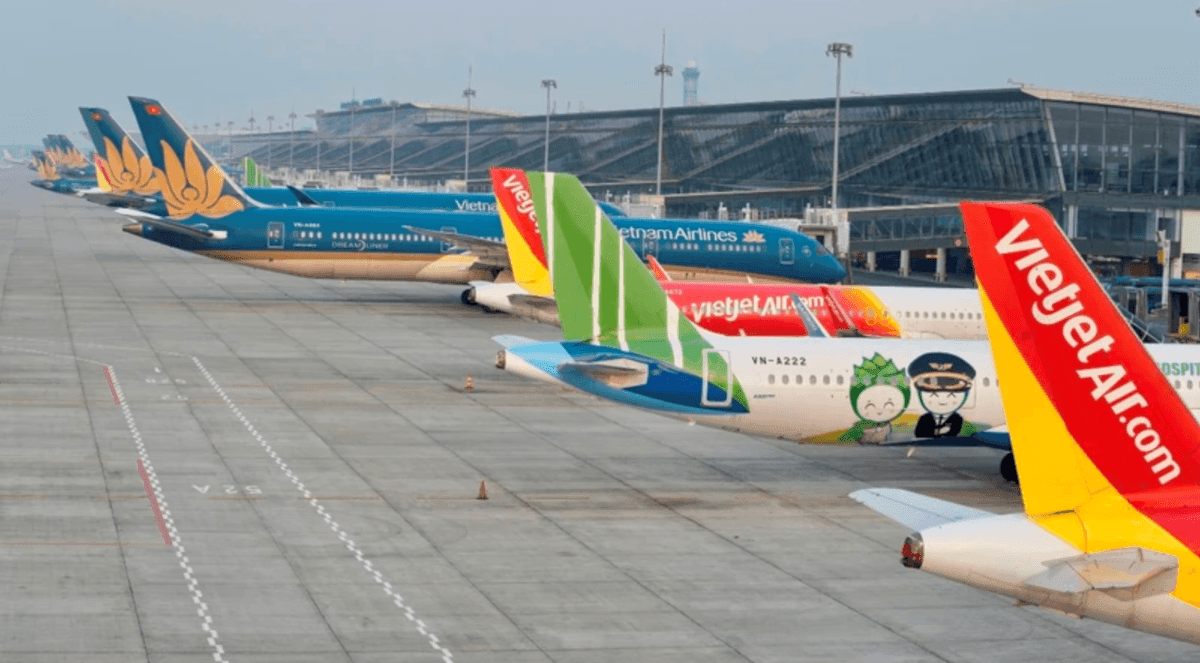
Vietnamese airlines are stepping up green transformation through ESG initiatives and operational optimization aimed at reducing emissions and supporting sustainable development. As global aviation faces growing pressure to cut emissions and raise sustainability standards, airlines in Vietnam are moving from long-term strategies to concrete operational measures.
On April 22, Earth Day, Vietnam Airlines launched the “Green Alliance – Sustainable Development” (Green Alliance). The initiative marks a shift toward coordinating ESG activities in line with international standards.
The Green Alliance is a voluntary cooperative model initiated by Vietnam Airlines, designed to connect domestic and international partners into a platform for linking and coordinating sustainable development initiatives. The initiative carries the message “Fly high with sustainable aspirations,” aiming for a development approach that balances economic growth with environmental and social responsibility for future generations.
“Green Alliance is not just a cooperative initiative, but a long-term commitment by Vietnam Airlines in its green transformation journey. We define sustainable development not as a choice, but as the foundation for competitive capability and long-term growth.” — Mr. Dang Ngoc Hoa, Chairman of Vietnam Airlines
Over the years, Vietnam Airlines has implemented sustainability programs across three ESG pillars: environmental, social, and governance. Reported initiatives include using sustainable aviation fuel (SAF), “Light Flying” campaigns to Con Dao and Hanoi, and a food donation program after flights.
The airline also works with regulators and social organizations on community activities such as transporting organs for emergency cases, planting and restoring forests, raising cybersecurity awareness, and building the Green Library.
At the ceremony, Vietnam Airlines signed a cooperation agreement with the Ministry of Agriculture and Environment for the 2026–2030 period. It also signed a coordination mechanism with the National Coordination Center for Body Part Transplantation and the Traffic Police Department to improve the effectiveness of humanitarian and community service activities.
Beyond Vietnam Airlines, private carriers are also participating in the green transformation trend. According to Cirium’s Flight Emissions Review 2025 released on April 21, Vietjet recorded the lowest emissions for flights operated in Southeast Asia.
The results are determined using Cirium’s EmeraldSky methodology, with the primary index CO₂/ASK (CO₂ per Available Seat Kilometer), a metric reflecting CO₂ emissions per seat offered per kilometer flown. In the intra-regional Southeast Asia ranking, Vietjet reported 64.5 grams CO₂/ASK, compared with Singapore Airlines at 66.7 grams and Lion Air at 67.1 grams.
Experts noted that the short- and medium-haul nature of routes within Southeast Asia can make fuel optimization more challenging. In similar operating conditions, Vietjet’s lowest emissions performance was attributed to its ability to optimize operations across the value chain, including aircraft configuration and network planning, as well as load management.
A modern fleet is described as a key foundation. Vietjet currently operates mainly Airbus A320 and A321 aircraft, including “NEO” variants that save about 15–20% fuel compared with the previous generation. With one of the region’s youngest fleets, the airline is reported to optimize fuel consumption and CO₂ emissions per flight.
In addition to fleet investments, Vietjet is reported to use operational technology such as flight data analytics platforms like SkyBreathe and fuel optimization programs like SFCO₂ to improve system-wide operational efficiency.
Vietjet was previously named by AirlineRatings among the Top 7 most sustainable airlines in 2025, citing emissions reductions, efficient fuel usage, and green aviation development. The airline has also been recognized for ESG achievements in markets such as Taiwan (China).
Earlier this year, Bamboo Airways and Xanh SM signed a Memorandum of Understanding to connect air travel with fully electric mobility solutions, aiming to enhance convenience, seamlessness, and sustainability in passenger journeys for both sides. A Bamboo Airways representative said the move strengthens environmentally friendly solutions in airline operations amid increasing emphasis on green mobility, emissions reduction, and sustainable development in the transport-tourism sector.
From national carriers to private airlines, green transformation is becoming a prevailing trend in Vietnam’s aviation industry. The initiatives are described as supporting emissions reduction and environmental protection while also creating opportunities to strengthen competitiveness and meet increasingly stringent international standards for long-term sustainability.






Premium gym chains are entering a “golden era” that is ending or already in decline, as rising operating costs collide with shifting consumer preferences toward more flexible, community-based ways to exercise. Long-term memberships are shrinking, margins are pressured by higher rents and facility expenses, and competition from smaller, more personalized…



