•
•
•
•
•
•
•
•
•
•
•
•
•
•
•
•
•
•
•
•
•
•
•
•
•
•
•
•
•
•
•
•
•


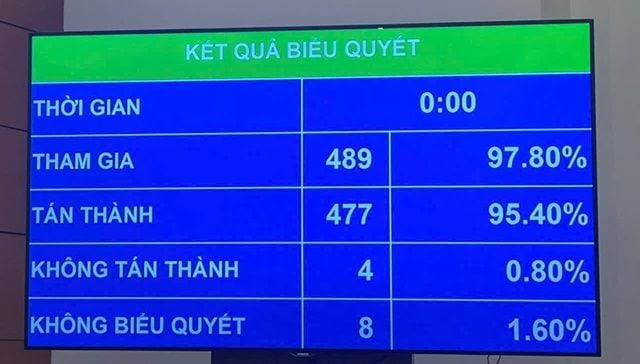
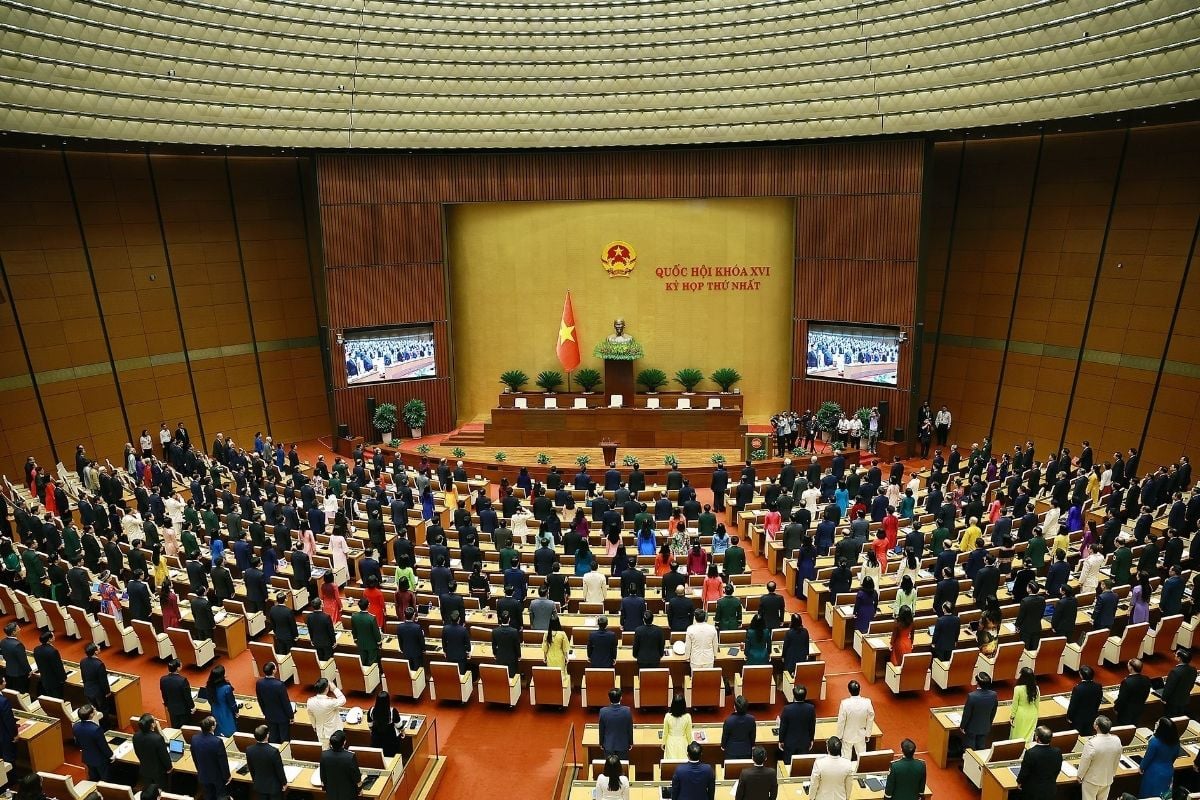
On the morning of April 24, the National Assembly passed the Resolution on developing Vietnamese culture, with 477 of 489 delegates voting in favor. A key provision designates November 24 each year as “Vietnamese Cultural Day,” under which workers will be entitled to a day off with pay.
The resolution also provides that the state will waive or reduce fees for visiting public cultural and sports facilities on Vietnamese Cultural Day, as determined by competent state authorities.
In addition, the government encourages people—especially youth and children—to participate in cultural activities on major national holidays.
The resolution requires annual cultural spending of at least 2% of total state budget expenditure, with spending to increase progressively in line with development needs to implement Party and State policies. It also encourages mobilizing social resources for cultural development.
To attract resources for cultural development, the resolution outlines the formation of cultural creative clusters and zones. These are geographically defined areas that concentrate organizations, businesses, and individuals in the cultural industry, linking creative spaces with research and development, testing, production, distribution, and commercialization of cultural products and services.
The resolution further supports training and infrastructure to build a high-tech, modern cultural ecosystem based on innovation-driven models.
It also provides for the establishment and development of cultural creative complexes—mixed-use facilities for rental and operation to support cultural industry development alongside commercial and service goals in urban areas, industrial zones, or other facilities repurposed as cultural creative hubs.
Investors in cultural clusters will receive policy incentives, including access to land and production space under the provisions of Article 7 of Resolution No. 198/2025/QH15 dated May 17, 2025 on special mechanisms and policies for private sector development.
For implementation, the resolution states that the Government will guide execution and annually report to the National Assembly in the Socio-economic Report. The Government, local authorities, and public sector units may pilot certain special, advanced cultural policies within their authority; if actions exceed authority, they should seek opinions from the relevant higher authority, except as provided in Article 5 of the resolution.
The Ministry of Culture, Sports and Tourism will be the lead agency for state management of the cultural industry. It will coordinate with relevant agencies to draft legal documents on the cultural industry for submission to competent authorities, and will lead, coordinate with other ministries and provincial authorities to guide, monitor, and evaluate implementation.
Provincial authorities are responsible for carrying out cultural development measures locally. The National Assembly, its Standing Committee, the Ethnic Council, relevant committees, National Assembly delegations, delegates, and local authorities will monitor implementation within their duties and powers.
The resolution takes effect on July 1, 2026.
Premium gym chains are entering a “golden era” that is ending or already in decline, as rising operating costs collide with shifting consumer preferences toward more flexible, community-based ways to exercise. Long-term memberships are shrinking, margins are pressured by higher rents and facility expenses, and competition from smaller, more personalized…