•
•
•
•
•
•
•
•
•
•
•
•
•
•
•
•
•
•
•
•
•
•
•
•
•
•
•
•
•
•
•
•
•


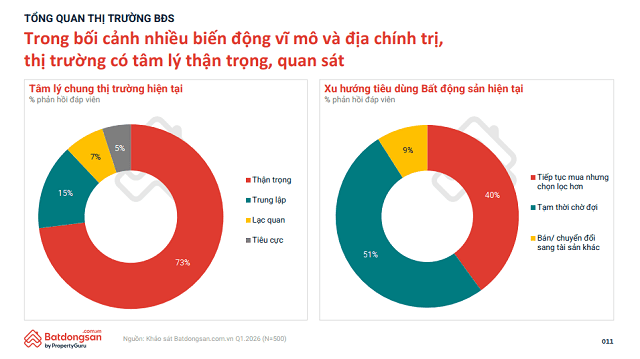
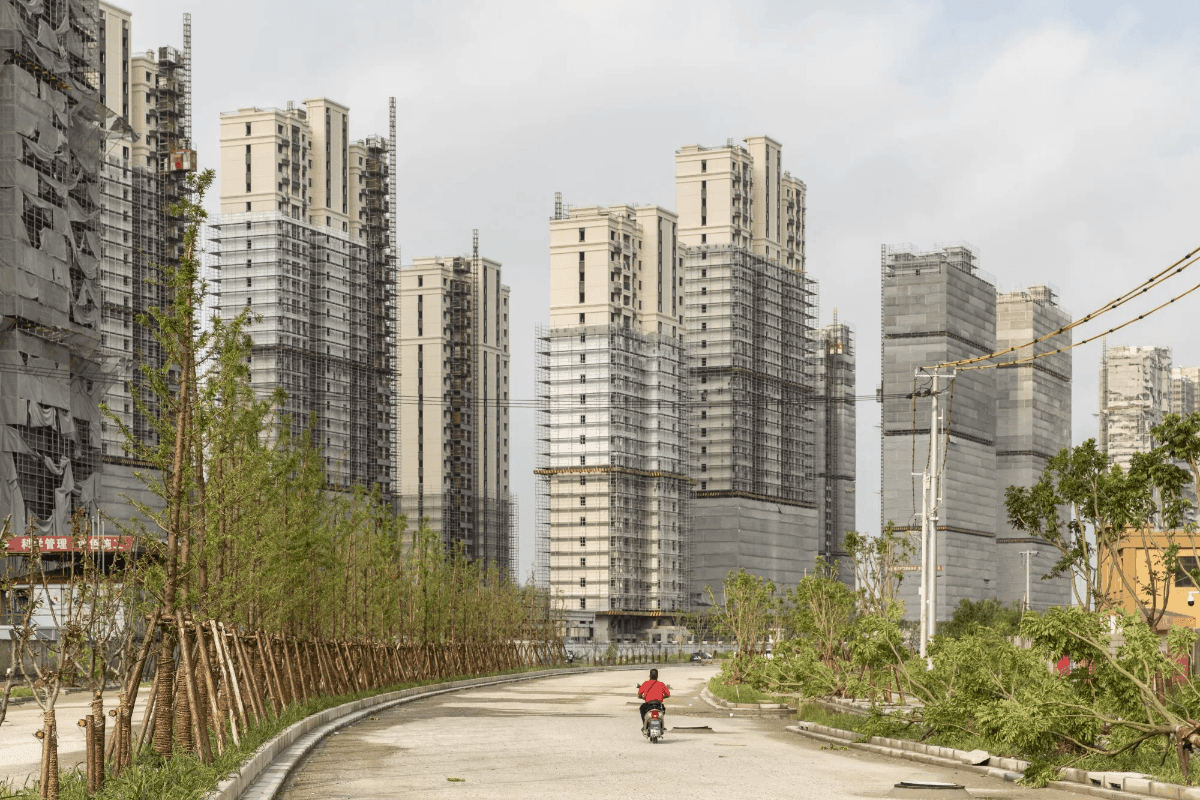
The real estate market is entering a phase in which housing purchases are more deliberate than ever. Activity across multiple segments has slowed, including the apartment segment, which had sustained liquidity in recent periods. Liquidity has cooled as buyers wait, reflecting a cautious approach amid macroeconomic and geopolitical fluctuations.
According to the Vietnam Real Estate Association (VARS) Q1 2026 market report, the entire market recorded about 24,000 transactions, with absorption of new supply around 58%, a slight decline from the previous quarter. The apartment segment—previously the market’s driver—still accounted for about 69% of total transactions, but absorption has slowed compared with earlier quarters.
Data from Batdongsan.com.vn indicates buyer interest in early 2026 has plateaued or slightly decreased versus late 2025, reinforcing the view that demand is becoming more selective.
The Q1 2026 DKRA Consulting report for Ho Chi Minh City and surrounding areas points to weaker demand across most segments. Specifically:
Leading segments such as apartments and landed houses after Tet recorded only about 20–30% of year-ago demand.
Liquidity has slowed not only due to price, but also because of higher financing costs. In early 2026, mortgage rates for home purchases at many banks hovered around 12–14% per year after promotional periods, compared with initial promotional rates commonly at 8–10%. This increase has raised the cost of borrowing and contributed to longer decision timelines.
Buyers are extending their evaluation period, prioritizing practical due diligence and checking project progress and legal status before committing. Overall, the market appears to be moving into a screening phase where real housing demand and long-term affordability are decisive.
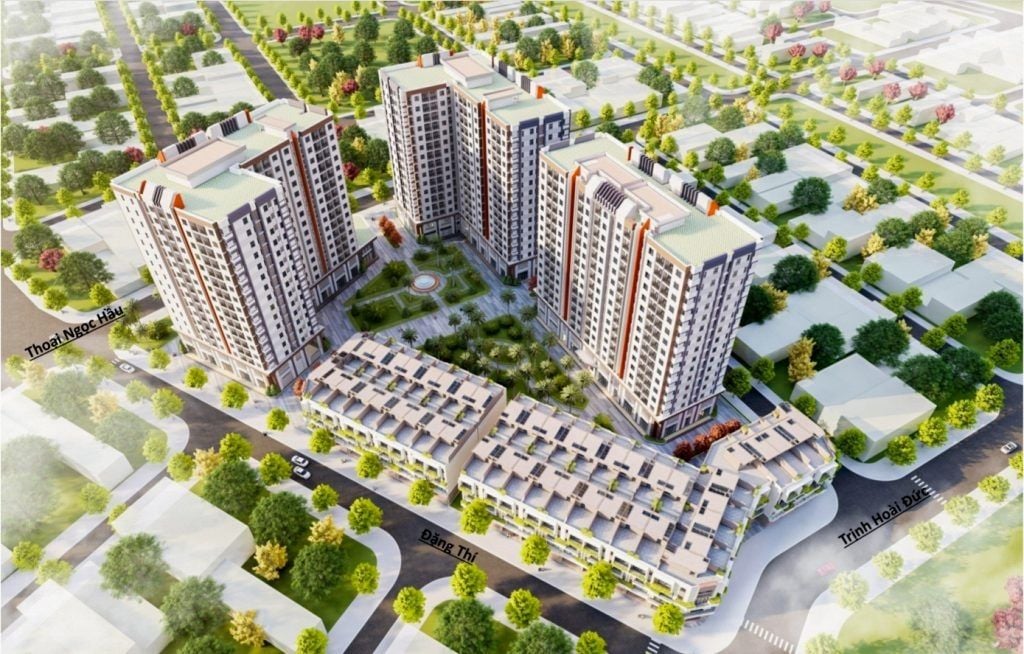
While the broader market slows, the Win City project has been cited as a counter-cyclical example. The urban megacity covers more than 13 hectares at the western gateway of Ho Chi Minh City. It has maintained a steady pace of around 50–70 units sold per week, with nearly 1,800 units transacted after four months on the market. Showrooms and construction sites have remained active, particularly on weekends.
According to Mr. Tran The Anh, Deputy General Director of Sales and Marketing at Thang Loi Homes, the market is differentiating clearly by demand. Products that serve real housing needs continue to sustain liquidity, particularly in the mass-market apartment segment where buying decisions are less driven by short-term cycles because housing is a basic, long-term need.
The company notes that the largest gap is in apartment units that meet real demand at price points accessible to the majority, especially buyers aged 28–40 with clear housing needs. It also highlights the western Ho Chi Minh City area where the project is located, which hosts about 39 industrial zones with over 200,000 professionals and workers—supporting stable long-term housing demand.
The price range for The Win City is about 1.39 billion to under 2 billion VND per unit. The project’s amenities, delivered under the One Stop Living Hub concept, are also positioned as a key appeal factor, covering residents’ needs for living, education, recreation, and healthcare. Construction of an Olympic-size 50m pool has begun. The Maximus pool, with Olympic-standard depth and health-oriented electrolytic technology, is one of 28 facilities in the Victory Heights subdivision introduced in this phase.
Legal and construction progress is also presented as a plus for buyers: the project has completed the requisite legal prerequisites to proceed and sign sale agreements, and construction is advancing in parallel. Central is involved as both investor and general contractor, which the company says helps ensure quality, pace, and safety.
Overall, the market is not frozen; it is moving toward rebalancing. Liquidity is concentrating on projects that meet real housing needs, offer affordable pricing, and show clear progress—factors buyers increasingly use to select properties.





Premium gym chains are entering a “golden era” that is ending or already in decline, as rising operating costs collide with shifting consumer preferences toward more flexible, community-based ways to exercise. Long-term memberships are shrinking, margins are pressured by higher rents and facility expenses, and competition from smaller, more personalized…