•
•
•
•
•
•
•
•
•
•
•
•
•
•
•
•
•
•
•
•
•
•
•
•
•
•
•
•
•
•
•
•
•



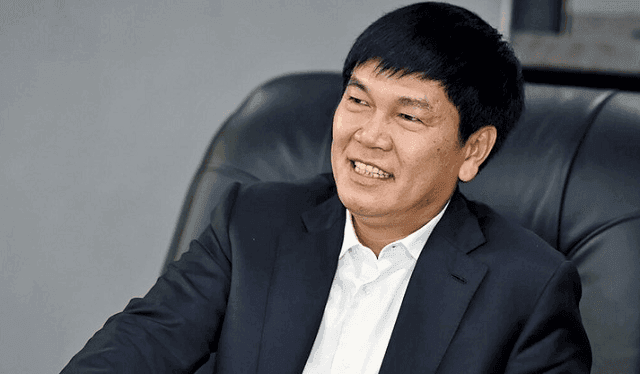
On Forbes' real-time ranking as of April 24, 2026, Nguyen Thi Phuong Thao is the second-richest person in Vietnam behind billionaire Pham Nhat Vuong, with assets of $4.2 billion and a global rank of 1,018. She currently serves as Chairwoman of the Board of VietJet Aviation Joint Stock Company (VJC), and as Permanent Vice Chairman of the Board at Ho Chi Minh City Development Joint Stock Commercial Bank (HDBank), as well as Chairman of Sovico Group. She has earned a PhD from the Mendelév Institute in economic control theory and holds bachelor’s degrees related to finance and management from Moscow-based institutions. She is noted as the first Vietnamese woman awarded France’s Legion of Honour. Recently, at the National Emulation Conference XI, the Party and State awarded the title of Hero of Labor (new era) to Nguyen Thi Phuong Thao. She directly holds about 169.6 million HDB shares, about 47.5 million VJC shares, and indirectly holds more than 154.7 million VJC shares through Sunny Investment Co., Ltd. Based on stock prices, her securities assets exceed VND 41,000 billion. On Forbes' real-time ranking as of April 24, 2026, she is the second-richest in Vietnam with assets of $4.2 billion and a global rank of 1,018. Forbes first included Thao on its billionaire list in 2017, and she has remained on the list since. In 2025, VietJet reported consolidated revenue of VND 82,093 billion (up 14% year-on-year), with consolidated pre-tax profit of VND 2,630 billion (up 44.3% YoY) and net profit of VND 2,123 billion (up 51.2% YoY), with profits exceeding 120% of the annual plan, reflecting a durable rebound in air travel demand and efficient cost management. As of December 31, 2025, Vietjet's audited total assets stood at VND 139,459 billion, with net debt to equity of 2.25 and a liquidity ratio of 1.53.

Premium gym chains are entering a “golden era” that is ending or already in decline, as rising operating costs collide with shifting consumer preferences toward more flexible, community-based ways to exercise. Long-term memberships are shrinking, margins are pressured by higher rents and facility expenses, and competition from smaller, more personalized…