•
•
•
•
•
•
•
•
•
•
•
•
•
•
•
•
•
•
•
•
•
•
•
•
•
•
•
•
•
•
•
•
•

Vietnam’s tourism sector welcomed about 12 million visitors during the holiday periods, according to the Vietnam National Administration of Tourism. During the two holiday stretches—Hung Kings Day (April 25–27, 2026) and the Reunification Day and International Workers’ Day holidays (April 30–May 3, 2026)—the country recorded roughly 12 million arrivals, up 14.2% year on year.
Accommodation nationwide averaged around 70% occupancy during the holidays. Several key destinations and coastal areas reported occupancy above 80%, reflecting strong demand for domestic travel in the peak holiday season. Tourism revenue also rose notably across the country.
Ninh Binh led the country with more than 2.37 million visitors, including 231,189 international arrivals. Total tourism revenue in the province was estimated at 3,569.1 billion dong.
Ho Chi Minh City ranked second with about 1.69 million visitors, including 190,000 international visitors, and revenue of 8,700 billion dong.
Khanh Hoa attracted over 1.5 million visitors, including 124,500 international visitors, generating about 2,638 billion dong in revenue.
Other major centers also posted positive results:
Overall, the figures depict a vibrant national tourism picture during the holidays and point to a recovery and growth trend for the sector in 2026.
During Hung Kings Festival 2026, the Phu Tho Department of Culture, Sports and Tourism reported nearly 6 million visitors to the Hung Temple complex and participation in activities within the Hung Temple Festival and the Land of Ancestors Culture-Tourism Week.
Large cultural, sports, and tourism events were organized in central areas including Viet Tri, Van Phu, Nong Trang, and Thanh Mieu, reinforcing the cultural-religious tourism appeal of the Land of Hung.
Agoda data showed tourist interest surged, with hotel searches in Phu Tho during the main holiday period (24–26 April) rising fivefold year on year. A high-altitude fireworks display at Van Lang Park in Viet Tri on the evening of April 25 was cited as a highlight that helped lift room occupancy in central areas.
The high visitor numbers also supported services such as accommodation, dining, transport, trade, and recreation, with businesses improving service quality, diversifying products, and applying technology to meet rising demand.
Thai Nguyen also reported positive holiday results, attracting about 315,000 visitors and generating revenue of 210 billion dong. Visitor numbers rose 57% year on year, while revenue increased 64%. The data includes pre-merger figures with Bac Kan.
The Ninh Binh Tourism Department said the province performed strongly during the holidays, supported by coordinated preparation across facilities, diversified services, and effective security and rescue plans.
Ninh Binh welcomed about 2,777,123 visitors during the holiday period, including 2,502,560 domestic and 274,563 international visitors. Total tourism revenue was estimated at 4,216.1 billion dong, up 205.1% year on year.
From the start of the year through May 3, 2026, Ninh Binh hosted about 14.36 million visitors (over 12.84 million domestic and 1.52 million international), with total tourism revenue around 15,710 billion dong.
Hue City authorities issued Green Tourism Criteria to establish a unified standard for lodging, attractions, and food and beverage services. The move is intended to support sustainable tourism development and enhance the destination’s heritage image in a green, clean, and bright direction.
The article also referenced several broader factors affecting tourism, including policy incentives supporting Vietnam–Russia tourism growth through aviation and visa relaxations, and the expanding appeal of cross-border road tourism due to faster procedures, reasonable costs, and convenient routes.
It further noted that geopolitical tensions, rising costs, and supply-chain disruptions are expected to pose risks to the global summer travel season.
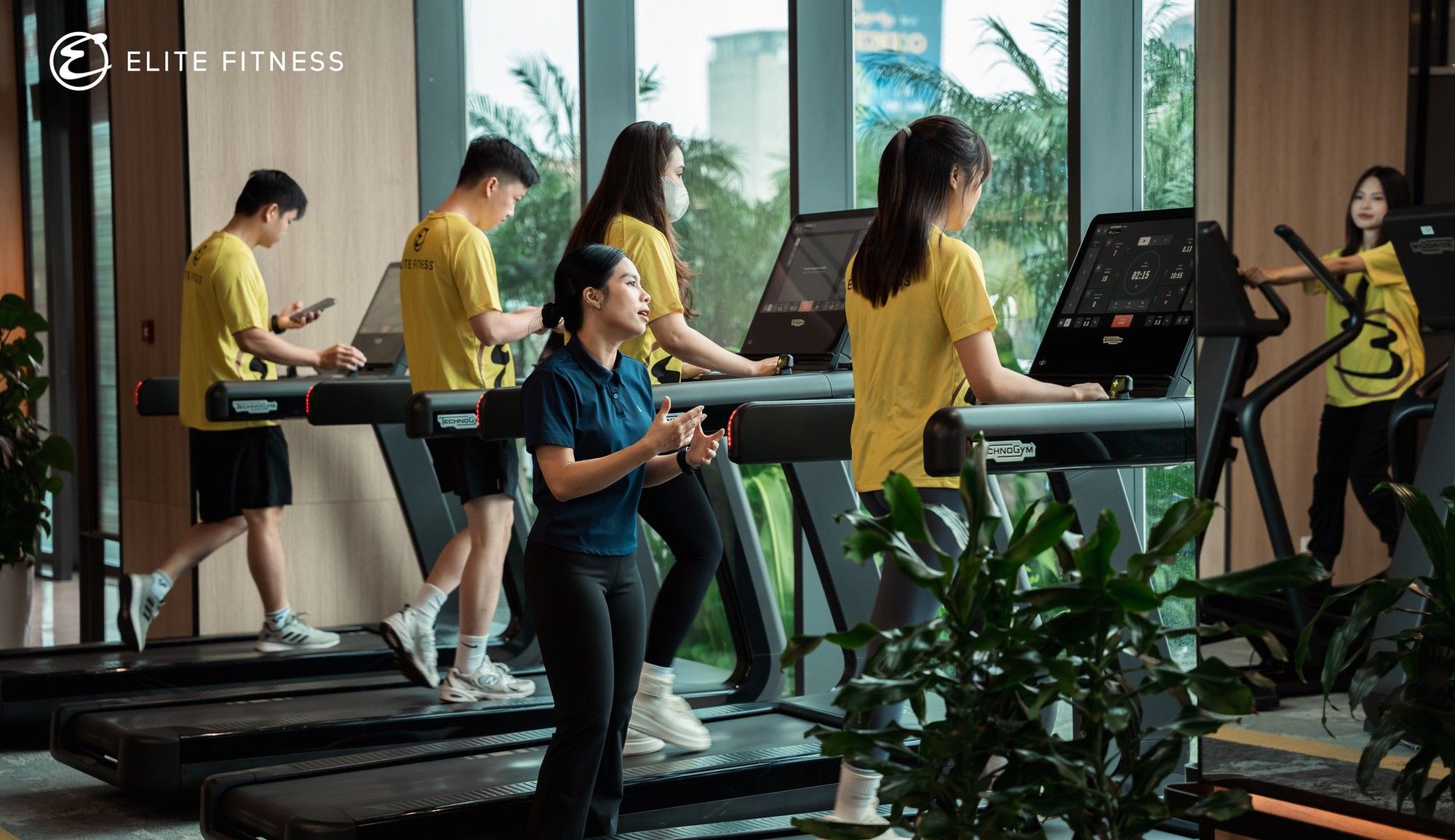
Premium gym chains are entering a “golden era” that is ending or already in decline, as rising operating costs collide with shifting consumer preferences toward more flexible, community-based ways to exercise. Long-term memberships are shrinking, margins are pressured by higher rents and facility expenses, and competition from smaller, more personalized…