•
•
•
•
•
•
•
•
•
•
•
•
•
•
•
•
•
•
•
•
•
•
•
•
•
•
•
•
•
•
•
•
•


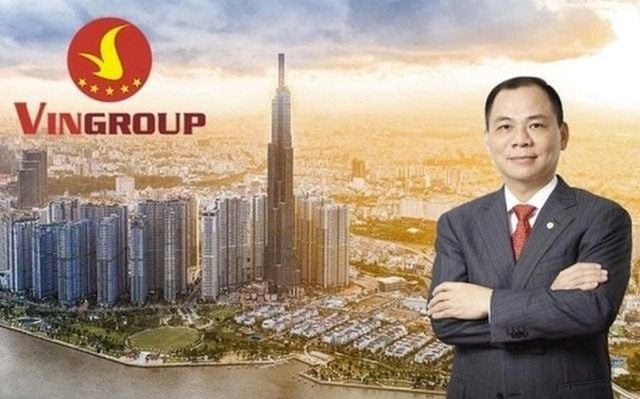
Vingroup’s VIC shares closed on April 24 at just over 212,000 dong per share, up about 60% in one month. The rally pushed the group’s market capitalization above 1.6 quadrillion dong (more than $60 billion), keeping it as the largest listed company on Vietnam’s stock market.
Data from CompaniesMarketCap as of April 24 shows Vingroup ranks fourth in Southeast Asia by market capitalization, behind DBS Group, Delta Electronics, and OCBC. It is the first time a Vietnamese enterprise has entered the top group in the region under this ranking.
In the region, DBS Group remains number one with a market capitalization of about $126.5 billion. Vingroup’s scale also exceeds several major Asian conglomerates, including Kia, KB Financial Group, Shinhan Financial Group, Nintendo, and Panasonic.
Founded by billionaire Pham Nhat Vuong, Vingroup operates across multiple sectors, including electric vehicle manufacturing and technology, real estate, infrastructure, and energy. For 2026, the group targets VND 485,000 billion in revenue, up nearly 46% from the previous year. Net profit after tax is expected to reach VND 35,000 billion, nearly tripling 2025.
During the morning session of April 28, VIC stock continued to hit the ceiling at 226,900 dong per share. Market capitalization stood above $63.46 billion.
According to Forbes’ real-time wealth ranking as of April 27, Pham Nhat Vuong’s wealth was $35.8 billion, ranking 61st globally.
Within Vingroup’s ecosystem, Green SM stands out as a taxi and ride-hailing technology company that uses only VinFast electric vehicles. Established in 2023 with charter capital over VND 43,000 billion, Green SM led the four-wheeled ride-hailing market in Vietnam in Q4 2025 with 51.5% GMV market share, surpassing rivals such as Grab and Be Group.
Chairman Pham Nhat Vuong said Vingroup is pursuing an IPO plan for Green SM in the coming months. He also expects VinFast to achieve positive EBITDA in Vietnam this year and on a global scale next year, aiming to reinforce growth momentum across the ecosystem.

Premium gym chains are entering a “golden era” that is ending or already in decline, as rising operating costs collide with shifting consumer preferences toward more flexible, community-based ways to exercise. Long-term memberships are shrinking, margins are pressured by higher rents and facility expenses, and competition from smaller, more personalized…