•
•
•
•
•
•
•
•
•
•
•
•
•
•
•
•
•
•
•
•
•
•
•
•
•
•
•
•
•
•
•
•
•


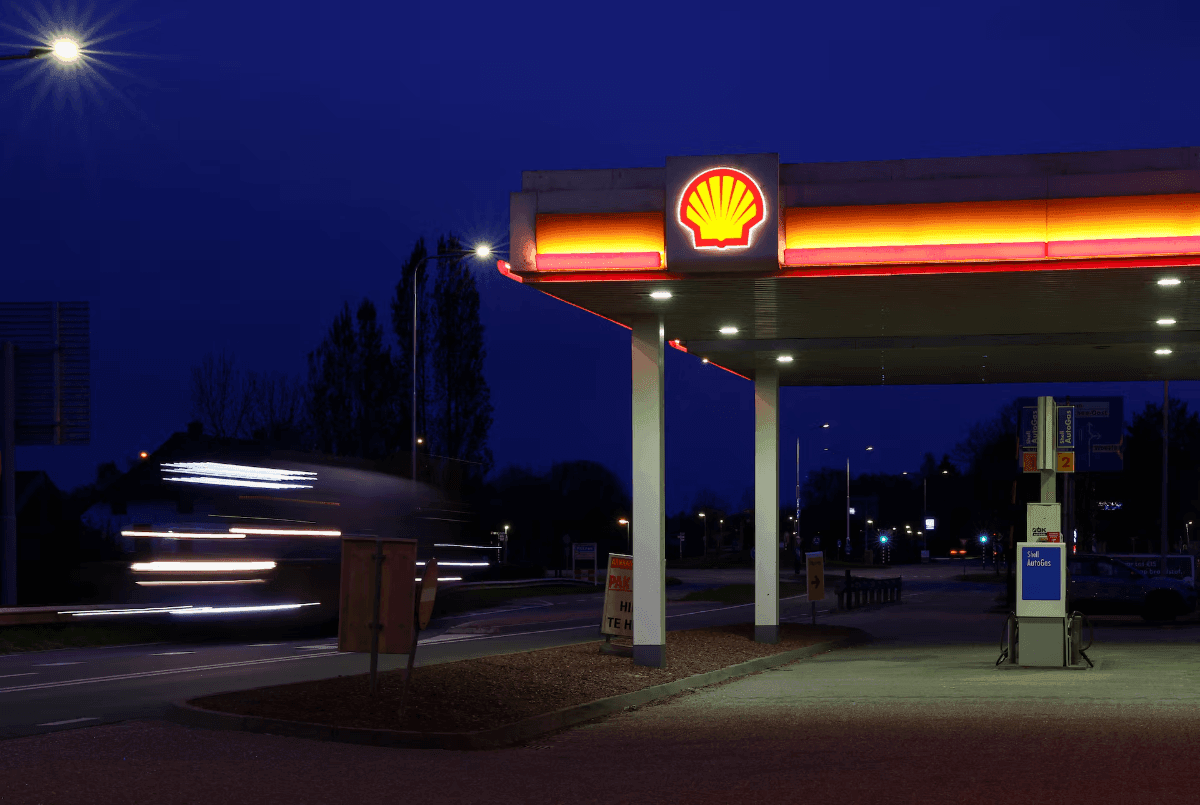
Shell has announced an agreement to acquire Canadian energy company ARC Resources for up to $16.4 billion, in a deal largely paid in stock. The acquisition is intended to boost Shell’s oil and gas output as its legacy fields mature, following warnings from analysts and Shell that it would need an exploration or acquisition breakthrough to offset aging production.
ARC Resources is currently producing about 370,000 barrels of oil equivalent per day (boe/d). Shell expects the transaction to raise its production to about 2.8 million boe/d, strengthening its position in the sector and expanding LNG supply capabilities to Asia due to ARC’s proximity to Shell’s existing Canadian operations.
Shell holds 40% of LNG Canada, a facility capable of delivering LNG to Asia faster than most other North American LNG plants. The deal also brings 2 billion boe of reserves.
Shell expects the transaction to save around $250 million in annual cash costs in the year after closing, without affecting its capital expenditure guidance of $20–$22 billion through 2028. The company also expects about $1.5 billion of annual free cash flow from the transaction.
Shell said the deal would enable it to increase its annual production growth target from 1% to 4% over the next decade, while keeping liquids production around 1.4 million bpd through 2030 and beyond.
Shell will pay ARC shareholders C$8.2 in cash and 0.40247 Shell shares for each ARC share, implying a consideration mix of roughly 25% cash and 75% stock. The offer price is about 20% above ARC’s 30-day average.
In addition to equity value, Shell will assume about $2.8 billion of ARC’s net debt and lease obligations, bringing the total deal value to about $16.4 billion. The equity value is $13.6 billion, to be funded with $3.4 billion cash and $10.2 billion in Shell stock.
The announcement comes as Shell has repurchased about a quarter of its own shares over the past four years, totaling roughly $60 billion, including $14 billion in 2025.
Shell had previously warned that its debt-to-equity ratio, around 21% at the end of 2025, would rise due to energy price volatility linked to the Iran conflict. Shell CEO Wael Sawan said the company is comfortable with the financial impact of the deal and remains committed to returning 40%–50% of operating cash flow to shareholders.
Following the news, Shell’s stock fell by more than 1.8% on April 27, while ARC’s shares rose by more than 21%.
Reuters described the ARC deal as Shell’s largest since its 2016 acquisition of BG Group. The transaction is also large, though smaller than Chevron’s $55 billion Hess acquisition announced in 2025.






Premium gym chains are entering a “golden era” that is ending or already in decline, as rising operating costs collide with shifting consumer preferences toward more flexible, community-based ways to exercise. Long-term memberships are shrinking, margins are pressured by higher rents and facility expenses, and competition from smaller, more personalized…