•
•
•
•
•
•
•
•
•
•
•
•
•
•
•
•
•
•
•
•
•
•
•
•
•
•
•
•
•
•
•
•
•


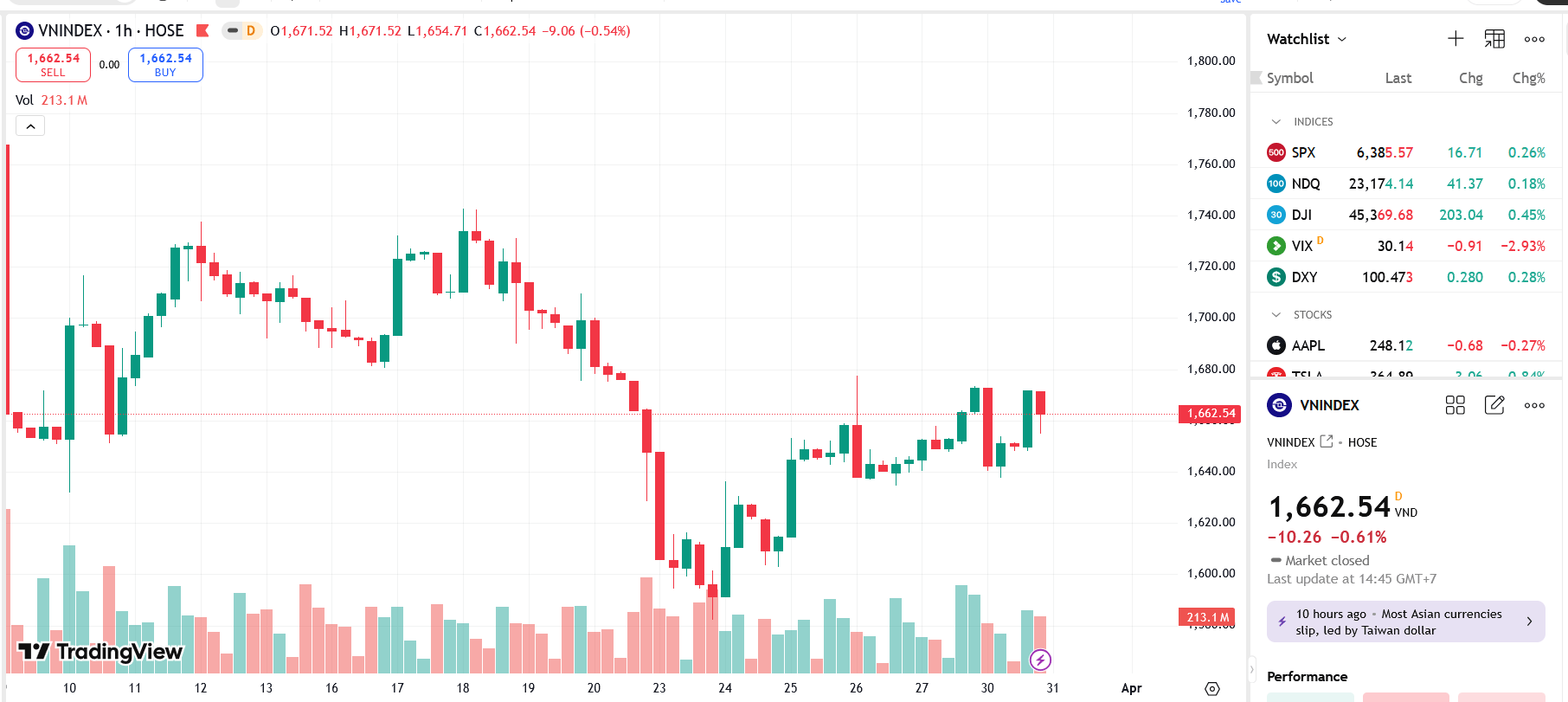
Vietnam’s VN-Index ended March 30 lower, with the market continuing to trade around the 200-day moving average (MA200) as investors weigh volatility and risk. Analysts said that if the index maintains closes above MA200 in March, it could create conditions for a rebound in April.
At the close on March 30, the VN-Index fell 10.26 points, or 0.61%, to 1,662.54 points. The HNX-Index declined 1.97 points, or 0.7%, to 250.59 points.
BVSC said the index is forming a new trading range around the 200-day moving average. The brokerage noted that liquidity remained below the 20-day average and foreign investors continued to be net sellers.
“In the context of current volatility and risk, if the market continues to close above the MA200 in March, there could be a rebound in April with a target around 1,800 points.” (BVSC)
Other commentary pointed to a consolidation phase. VCBS said the VN-Index finished lower and continued to trade sideways within the 1,640–1,670 point range, with technical indicators showing no clear trend signal yet.
According to market observations cited in the article, the VN-Index traded red in the morning under selling pressure, but demand emerged in the afternoon and helped the index recover toward the reference level. At the close, VN-Index ended at 1,666.54 points (down 10.26 points).
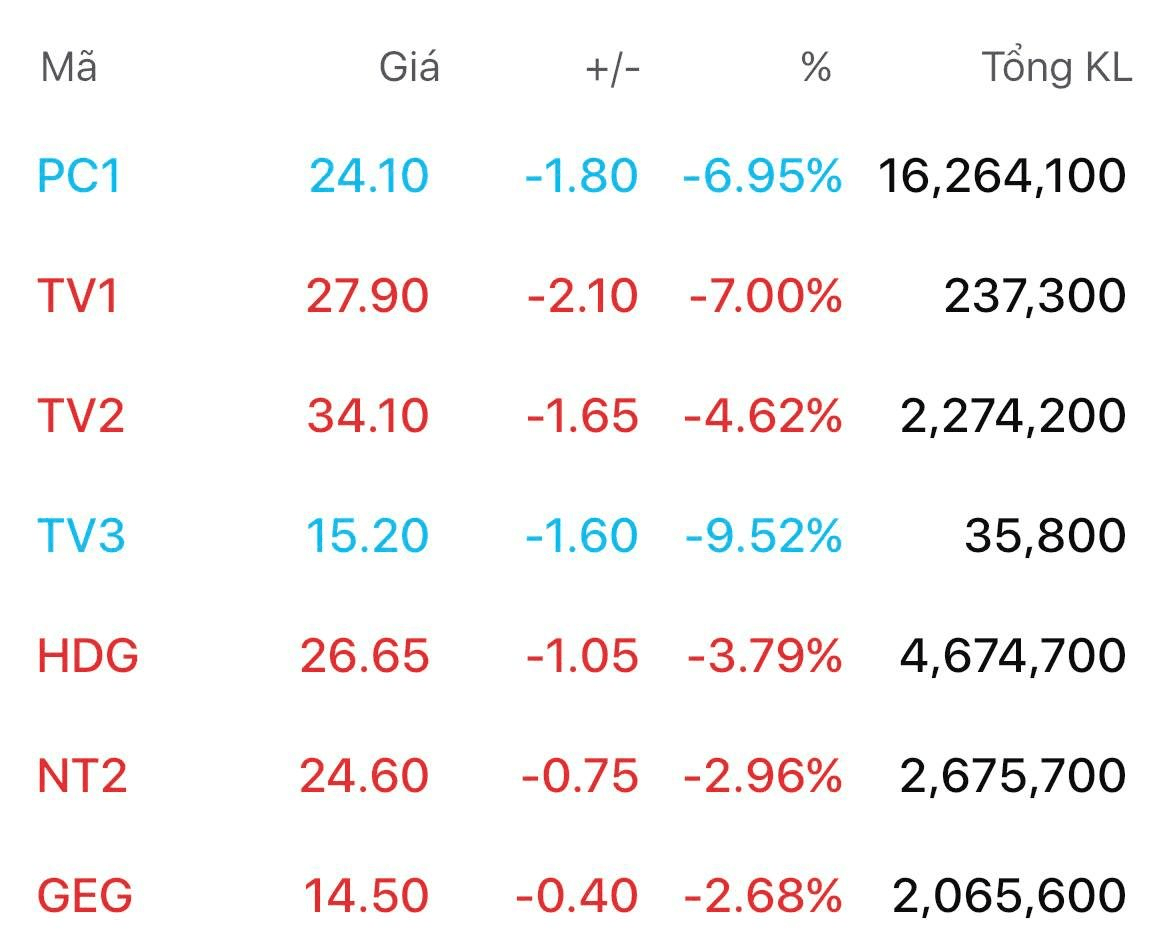
Market breadth leaned negative, with 11 out of 18 sectors declining. Information Technology and Financial Services were among the strongest pressured sectors. By contrast, the Oil & Gas group led gains, rising 3.27%.
On foreign flows, the article reported that foreigners were net sellers on the HSX, while they were net buyers on HNX and UPCOM.
Several brokerages highlighted the importance of the 200-day moving average and nearby support zones. BSC said the VN-Index holding the 1,645–1,660 support zone is a positive signal, suggesting the index could target 1,700–1,725 in upcoming sessions.
“VN-Index holds the 1,645 - 1,660 support zone as a positive signal that the index could target 1,700 - 1,725 in coming sessions” (BSC)
SHS added that the short-term VN-Index trend remains down, with resistance at 1,680–1,700.
VCBS described the technical picture as mixed: on the daily chart, the RSI was slightly downward while the MACD remained rising, and the index closed near but not below the MA200 (around 1,660). The next session could see choppy moves testing supply and demand within 1,640–1,670. On the intraday chart, the index oscillated around the MA20 (around 1,650) and was testing this resistance. VCBS also noted that if resistance is broken, the index could approach the next resistance near the previous peak around 1,740, while support remains near the old low around 1,600.
VCSC said the probability is high that the index will continue to rebound toward the 1,670–1,700 region, with near-term support around 1,650.
YSVN stated that after a sharp decline, the VN-Index appears to have formed a bottom and is in a short-term rebound.
In addition, the article referenced a view that liquidity gradually increased in the afternoon session, suggesting the rebound trend from the end of last week remains intact.
BVSC advised investors to maintain cash positions in the current phase. For positions bought near the bottom, it suggested protecting profits if the price breaks the trailing stop.
“Investors should prioritize maintaining a cash position in the current phase. For positions bought near the bottom, consider protecting profits if the price breaks the trailing stop.”
VCBS also recommended preserving exposure to currently held stocks and taking advantage of pullbacks for short-term trading, while noting that liquidity remained below the 20-day average.
The article noted that stocks turned lower across many names, with foreigners net selling more than VND 1,000 billion (12:08, 30/03/2026).
It also cited earlier commentary that capital inflows were active and the VN-Index tested the next resistance around 1,700–1,720 (15:10, 28/03/2026).
Note: Market analyst opinions cited in the article are for informational reference; brokerage firms may have conflicts of interest when providing assessments.






Premium gym chains are entering a “golden era” that is ending or already in decline, as rising operating costs collide with shifting consumer preferences toward more flexible, community-based ways to exercise. Long-term memberships are shrinking, margins are pressured by higher rents and facility expenses, and competition from smaller, more personalized…