•
•
•
•
•
•
•
•
•
•
•
•
•
•
•
•
•
•
•
•
•
•
•
•
•
•
•
•
•
•
•
•
•


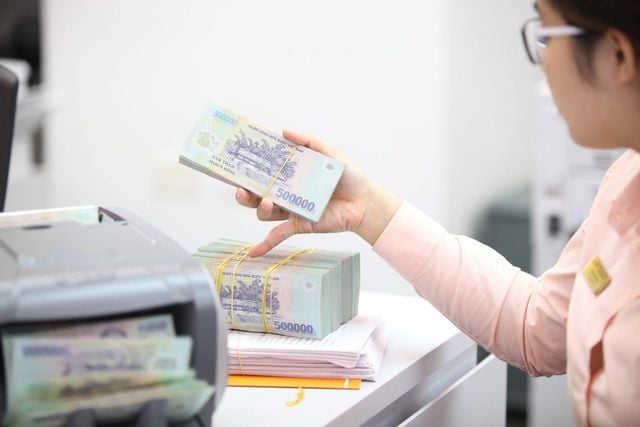
Following the meeting with the State Bank of Vietnam (SBV), deposit-rate reductions continued to spread across the banking system, with participation from most banks, large and small. The adjustments ranged from 0.05% to 1% per year, mainly focused on six-month terms and longer, and were implemented more strongly through online channels. Accordingly, 30 domestic banks announced deposit-rate cuts, with typical reductions of 0.1% to 0.5% per year.
Vietcombank Securities (VCBS) said the reduction in deposit rates is viewed as a necessary condition for bringing lending rates down, thereby supporting enterprises. VCBS also noted that credit flows are being managed tightly in high-risk sectors while being prioritized toward new growth drivers, including small and medium-sized enterprises and high-tech.
As of the end of Q1 2026, credit growth had outpaced deposits, rising 3.18% compared with around 0.55% for deposits. The gap reflects ongoing liquidity pressures, which still require banks to maintain relatively attractive deposit rates to secure funding.
Assoc. Prof. Dr. Dang Ngoc Duc, director of the Institute of Financial Technology at Nam University, said that when the money supply is constrained, the cost of funds cannot fall quickly. As loan demand recovers, banks may need to compete more intensely to retain depositors. He added that this pressure is more visible among smaller banks, where access to low-cost funding is more limited, making rate reductions more difficult than for larger banks.
Mr. Nguyen Duc Vinh, CEO of VPBank, said deposit rates rose in Q1 mainly due to systemic liquidity pressures. He also pointed to new regulations, including mandatory reserve requirements, which can increase funding costs.
In addition, alternative investment channels such as gold, real estate, or financial assets have begun attracting funds again. As a result, households’ money may diversify rather than remain concentrated in the banking system, increasing the need for banks to consider deposit-rate adjustments carefully. If rates become uncompetitive, the risk of capital outflows could rise, particularly for smaller banks.
From a policy perspective, SBV has signaled a clear stance to stabilize the interest-rate level and is prepared to support liquidity. Market analysts expect rates may hold steady in the short term before easing modestly toward the end of the year, with a narrow and selective range by sector.
In KB Vietnam Securities’ (KBSV) Q2 2026 economic outlook, the expectation is that the downward trend in rates will become clearer, with an average reduction of about 0.5% to 1% per year from the current level. KBSV attributed this to abundant funds from public investment disbursement flowing into the banking system, along with easing tensions in Iran, reduced inflation pressures, and exchange-rate movements. The scenario would provide SBV with more policy space to support the banking system.
KBSV also said that additional government and SBV policies are expected to be introduced in the second half of the year to help achieve a GDP growth target of 10%, including measures aimed at cooling the interest-rate level.





Premium gym chains are entering a “golden era” that is ending or already in decline, as rising operating costs collide with shifting consumer preferences toward more flexible, community-based ways to exercise. Long-term memberships are shrinking, margins are pressured by higher rents and facility expenses, and competition from smaller, more personalized…