•
•
•
•
•
•
•
•
•
•
•
•
•
•
•
•
•
•
•
•
•
•
•
•
•
•
•
•
•
•
•
•
•


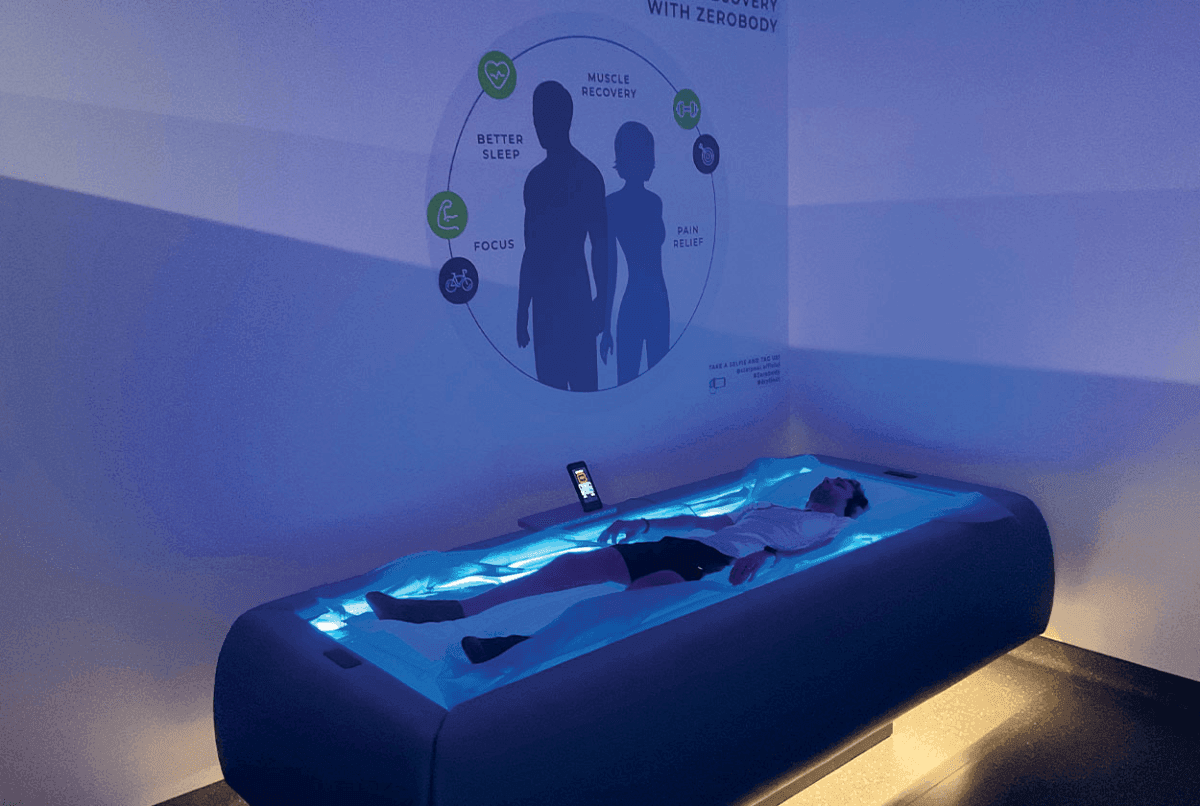
Wellness recovery technology is reshaping the broader health and wellness landscape, moving beyond sauna culture and infrared light treatments toward electrolyte drinks, protein-focused goals, and at-home recovery devices as the industry pushes toward longevity. The shift has also helped spotlight a segment that blends recovery technology with consumer brands. Last month, Nike launched Mind 002, the second footwear concept rooted in neuroscience from Nike Mind Science, a unit exploring how to integrate the body’s nervous system with Nike’s footwear and apparel to optimize performance and recovery.
At the Milano Cortina Winter Olympics 2026, Nike’s ACG line partnered with Hyperice to develop a limited edition compression-therapy boot for elite athletes. The boots are designed to improve blood circulation and reduce lactic acid levels, aiming to ease pain and speed recovery between events. The world’s top athletes are expected to use the boots while traveling to France and Italy.
Adidas also equipped top athletes with its Climawarm System, a warming outfit with heating elements embedded in the fabric and positioned at key muscle groups. Like Hyperice’s boots, Adidas’ technology is described as adaptive, responding to the wearer’s movement and environmental conditions to help maintain body temperature during warm-ups in cold conditions. Marc Makowski, Senior Vice President for Innovation at Adidas, said recovery has become a “performance battleground” that the design team is prioritizing.
Brands in sports technology typically test new products with professional athletes first to prove feasibility and build credibility. As a result, the Nike and Adidas recovery products unveiled at Milano Cortina are not yet available for retail.
The main commercial opportunity is expected to come from consumer variants released later for the general public. The article notes that consumers may pay from $150 to $5,000 for at-home or mobile health devices positioned to optimize recovery as part of daily health routines.
It also points to a “market gap” driven by consumers who increasingly monitor their bodies and look for products that respond to data.
Recovery technologies based on science—percussive therapy, heat, light, and compression—have advanced rapidly in recent years. Recovery is no longer framed only around athletic performance; it has expanded into holistic health care, with analysts forecasting strong industry growth. Recovery technology is projected to grow from $39.6 billion in 2026 to $192.3 billion by 2034, according to Fortune Business Insights.
Industry leaders say momentum has accelerated in recent years due to a convergence of technology advances and growing consumer demand beyond professional athletes. Tim Roberts, Chief Science Officer of Therabody (Los Angeles), said the post-Covid wave helped mature the market for recovery technology products. He noted that four years ago consumer interest sparked a wave of at-home health products—from massage devices to heat patches—but by 2026, the most successful brands are those investing in clinical research to prove efficacy and provide detailed technical data.
Roberts added that consumers are becoming more proactive, researching before purchasing and seeking explanations for how products work rather than simply claims that they work. He said the market is evolving toward a diversification of technologies to meet distinct needs across a broader set of users.
The article also highlights growing interest in light-therapy mechanisms. It states that searches for “red light therapy” on TikTok rose 123% in the four months to January, citing platform data.
Roberts said this trend has supported Therabody’s expansion into LED masks and thermal devices for reducing facial swelling since 2023, describing these adjacent segments as meaningful to the company’s growth. Lucas Wasniewski, CEO of Flowlife, said the past 12 months have shown how quickly recovery technology has gained broader recognition as it moves from sports performance into areas including skin health and comprehensive wellness.
Overall, the article describes a shift toward comprehensive home recovery tools, where users build routines rather than rely on single sessions. It frames recovery as sitting at the intersection of performance, beauty, and longevity, reflecting how the category is broadening from injury prevention and performance enhancement into wider wellness use.







Premium gym chains are entering a “golden era” that is ending or already in decline, as rising operating costs collide with shifting consumer preferences toward more flexible, community-based ways to exercise. Long-term memberships are shrinking, margins are pressured by higher rents and facility expenses, and competition from smaller, more personalized…




