•
•
•
•
•
•
•
•
•
•
•
•
•
•
•
•
•
•
•
•
•
•
•
•
•
•
•
•
•
•
•
•
•


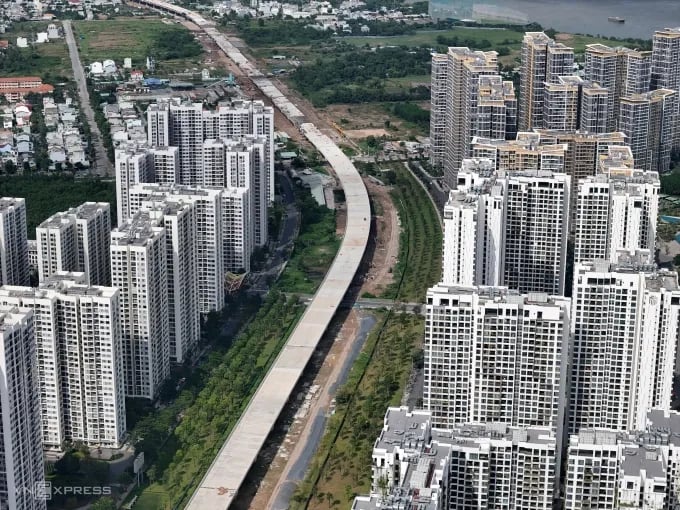
Experts say it is important to distinguish real estate for living from real estate for investment, and from there evaluate the long-term financial plan to choose the appropriate path. I am 30 years old this year, my husband is 33, and we just welcomed a baby four months ago. We already own a home—a 68-square-meter apartment valued at about 3.5 billion VND; we also have a car and savings of about 600 million VND. We still owe a family loan to buy the home, which we expect to repay in two years. Currently, our combined income is stable; after expenses and debt, our monthly surplus is 30–40 million VND. I plan to save more over the next 2–3 years; after paying off the debt, I would invest in real estate. Then the savings would be about 1.5 billion VND. At present, I am weighing two options. Option 1 is to buy landed property. We live in a Go Vap condo; it is not too far and is comfortable. However, in 2–3 years, I expect to have a second child. If so, the apartment will be a bit small, especially as the children grow. If we buy a house, we would have around 5–6 billion VND (depending on condo price movements), borrowing to switch to a landed property around 7 billion. A landed house would be better for long-term living and stability. However, in the coming years, as property prices rise, I worry that 7 billion would not be enough to buy a nearby house and we would have to go farther away with a smaller area. Option 2 is to buy a rental condo. With 1.5 billion in savings, we would borrow to buy a condo around 2.5 billion, rent it out and continue living in the current condo for about 5–10 years. When the condo appreciates, I would sell both units to switch to a landed property. If we are lucky, the condo would appreciate well, allowing us to buy a higher-priced landed house with a larger area closer to the center. Both plans would require additional borrowing of around 1–1.5 billion. If we buy landed property now, we would resolve housing and living environment for our children. If we buy a rental condo, we would still hold the asset, generate additional passive income, and have the opportunity to buy a better landed home later if condo prices rise. Conversely, if condo prices rise slowly or stay flat, there are many risks. My husband and I would welcome expert advice. — Vu Ngoc (Ho Chi Minh City).






Premium gym chains are entering a “golden era” that is ending or already in decline, as rising operating costs collide with shifting consumer preferences toward more flexible, community-based ways to exercise. Long-term memberships are shrinking, margins are pressured by higher rents and facility expenses, and competition from smaller, more personalized…