•
•
•
•
•
•
•
•
•
•
•
•
•
•
•
•
•
•
•
•
•
•
•
•
•
•
•
•
•
•
•
•
•


Global financial markets focused on developments around the U.S.-Iran standoff, with investors weighing whether a peace proposal could end a ten-week conflict. At the same time, gold prices rebounded after two weeks of declines, oil prices softened, and a U.S. court ruled President Donald Trump’s 10% global tariff “unlawful.”
Investors remained jittery over the prospects for a U.S.-Iran agreement to end the ten-week conflict. On Monday, following President Trump’s directive, the U.S. Navy launched a convoy escort operation for merchant ships through the Hormuz Strait. A day later, Trump announced a pause to the operation, saying progress toward a peace agreement had been made.
Tensions in the Gulf persisted. Iran carried out attacks on the UAE, and clashes between U.S. and Iranian forces occurred in the Hormuz area. By Friday, May 8 (U.S. time), Iran had not responded to the U.S. peace proposal.
Despite the lack of a response, the sharp drop in crude oil prices this week suggested markets remained hopeful the conflict could end.
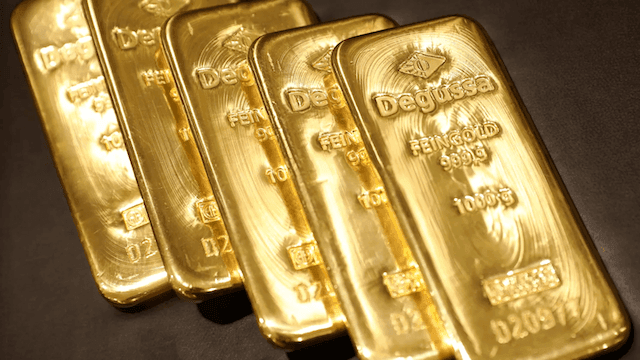
After two weeks of declines, world gold prices rose about 2.3% this week as oil and the dollar eased. The article noted that gold is trading more as a risk asset amid hopes the conflict may end.
Many analysts maintained an optimistic long-term outlook for gold once the U.S.-Iran conflict ends, citing central bank purchases as a key driver, particularly China’s.
With exports from the Gulf—including Iran—disrupted by Hormuz closures, fossil energy exports from other sources increased. The data cited this week included U.S. oil exports reaching records and U.S. fuel exports hitting all-time highs.
Venezuela’s oil exports also surpassed 1 million barrels per day.
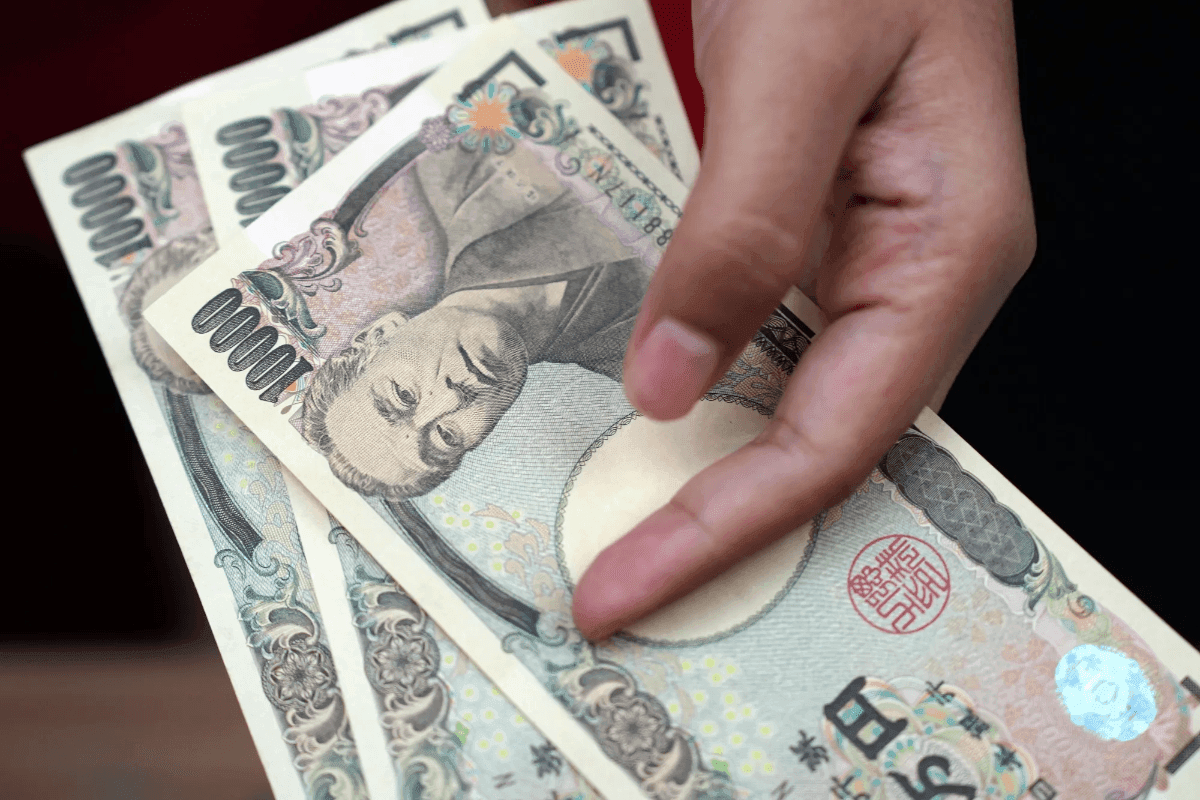
A sharp yen rally on Wednesday (May 6) led global investors to believe Japan conducted a second yen intervention within five trading sessions. However, analysts said the effect may be temporary because downward pressure on the yen is coming from multiple directions, and Tokyo cannot reverse the trend through intervention alone.
MSC Mediterranean Shipping announced plans to open a new trade route connecting Europe with Gulf ports. The route will use road transport via Saudi Arabia and smaller vessels to navigate the Persian Gulf instead of passing through Hormuz.
The route is scheduled to begin May 10, departing from Antwerp, Belgium.
Recent official data showed U.S. public debt at $31.265 trillion as of March 31, alongside 2025 U.S. GDP of $31.216 trillion. This lifted the debt-to-GDP ratio to 100.2% (from 99.5% at the end of the prior fiscal year).
Analysts cited debt above 100% of GDP as a risk for the world’s largest economy. The International Finance Institute (IIF) reported global debt approaching $353 trillion by end-March, with rising U.S. borrowing identified as a major factor in the quarterly increase.
Despite ongoing Middle East tensions, global stock markets—including the U.S., Korea, and Japan—continued to post fresh records, reversing early declines when the war began.
On May 7, the U.S. International Trade Court (CIT) ruled that President Trump’s 10% global tariff under Section 122 of the Trade Act of 1974 was “not legally permissible.” The ruling does not suspend the tariff generally, but requires halting its application to two companies that filed suit.
Premium gym chains are entering a “golden era” that is ending or already in decline, as rising operating costs collide with shifting consumer preferences toward more flexible, community-based ways to exercise. Long-term memberships are shrinking, margins are pressured by higher rents and facility expenses, and competition from smaller, more personalized…