•
•
•
•
•
•
•
•
•
•
•
•
•
•
•
•
•
•
•
•
•
•
•
•
•
•
•
•
•
•
•
•
•


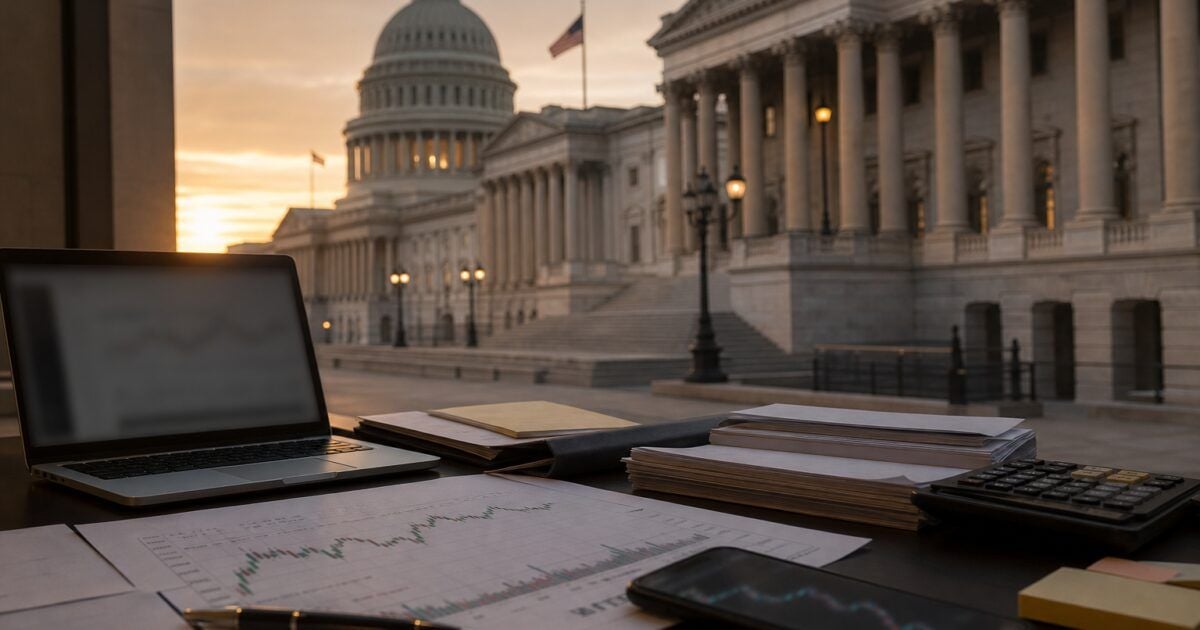
Microsoft’s Copilot has issued a high-profile outlook for XRP, suggesting the token could reach $15 by the end of 2026 if several key conditions fall into place. The same forecast also warns of a downside scenario, in which XRP may fail to break above $2 if regulatory, banking, and broader market developments do not align.
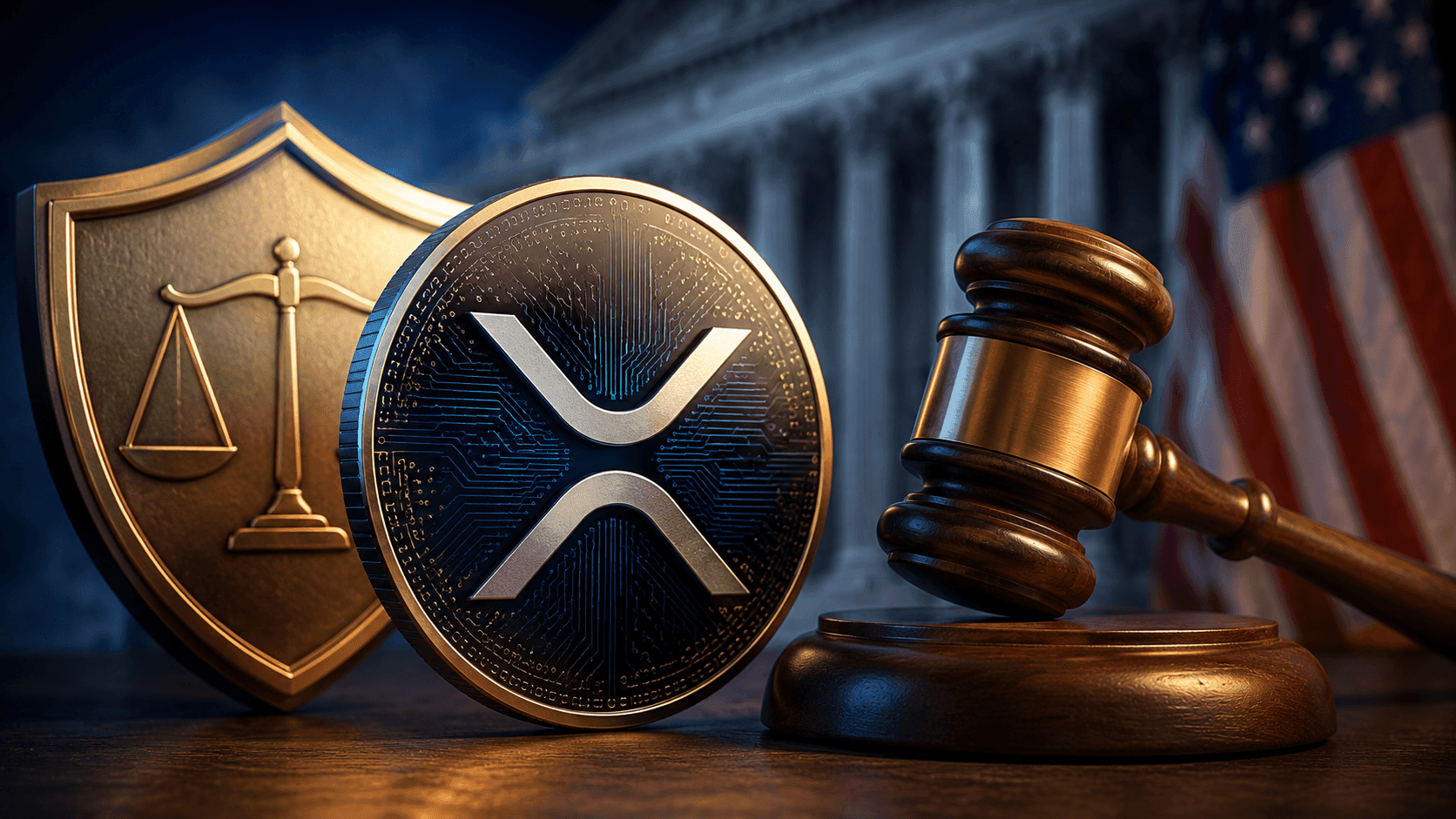
The bullish case is tied to recent legal progress involving Ripple, which the article says has provided XRP with regulatory clarity. That clarity, in turn, is described as enabling banks to work with the token with less regulatory uncertainty.
Alongside this, the article points to banking partnerships expanding XRP’s use in payment systems. In that framing, XRP shifts from a primarily speculative asset toward a utility token tied to cross-border payments.
Copilot’s upside scenario is described as depending on “global settlement integration” and expanded liquidity. The article summarizes the logic as follows: if Ripple’s enterprise pipeline delivers and banks worldwide route cross-border payments through XRP, the price trajectory could accelerate.
The forecast also links XRP’s performance to the broader crypto market. When Bitcoin and Ethereum rally, XRP typically follows—sometimes more strongly, sometimes not at all—meaning overall market sentiment remains a major driver.
Despite the optimistic narrative, the article says XRP has been trading in a tight range, citing $1.28 to $1.55 “for weeks.” It adds that the price is currently pressing against resistance between $1.50 and $1.55, a zone that has reportedly capped rallies since February.
It states that a sustained move above $1.55 could open the way to $1.65, followed by $1.80. The $1.80 level is described as a supply area that has not been tested since January.
On technical momentum, the article claims momentum is building without the overextension that often precedes sharp reversals. It also says higher lows are forming and that the Relative Strength Index still has room before reaching overbought levels, suggesting the uptrend could continue—though it notes “might” rather than certainty.
The article highlights two main risks to the rally: regulatory setbacks and stalled adoption. It argues that even improved infrastructure may not translate into price gains if demand does not materialize.
It also describes the current trading behavior as consolidation, with limited conviction on either side. In that context, the $15 target is presented as conditional on a break above $1.55 and follow-through.
While XRP consolidates, the article says investors are also looking at other opportunities, including LiquidChain. It describes LiquidChain as aiming to unify liquidity across Bitcoin, Ethereum, and Solana through a unified execution layer.
According to the article, LiquidChain raised over $700,000 in its presale at a price of $0.01454. The project’s pitch is described as addressing the cost and friction of moving assets between major networks, with an emphasis on reducing expenses and improving user experience.
The article cautions that presale fundraising does not guarantee post-launch adoption, noting that the real test will be whether the project can maintain liquidity depth after launch. It also frames the risk profile as inherently high for early-stage crypto projects.
It adds that XRP holders may be interested because both projects focus on improving how value moves across networks, while also noting that LiquidChain is unproven post-launch and XRP has a longer operating history.
The article characterizes XRP’s current price action as reflecting indecision since February, with the token range-bound between $1.28 and $1.55. It says recent movement suggests a potential breakout, but emphasizes that external factors—regulatory developments, market sentiment, and institutional investment—will determine whether XRP capitalizes on momentum.
In the article’s framing, Copilot’s $15 forecast assumes optimal conditions, including regulatory wins, banking partnerships, and a recovering crypto market. The $2 floor is presented as a scenario in which those conditions fail. The article concludes that the next few months will likely determine which path becomes more likely, noting that ranges do not last forever.
Premium gym chains are entering a “golden era” that is ending or already in decline, as rising operating costs collide with shifting consumer preferences toward more flexible, community-based ways to exercise. Long-term memberships are shrinking, margins are pressured by higher rents and facility expenses, and competition from smaller, more personalized…