•
•
•
•
•
•
•
•
•
•
•
•
•
•
•
•
•
•
•
•
•
•
•
•
•
•
•
•
•
•
•
•
•


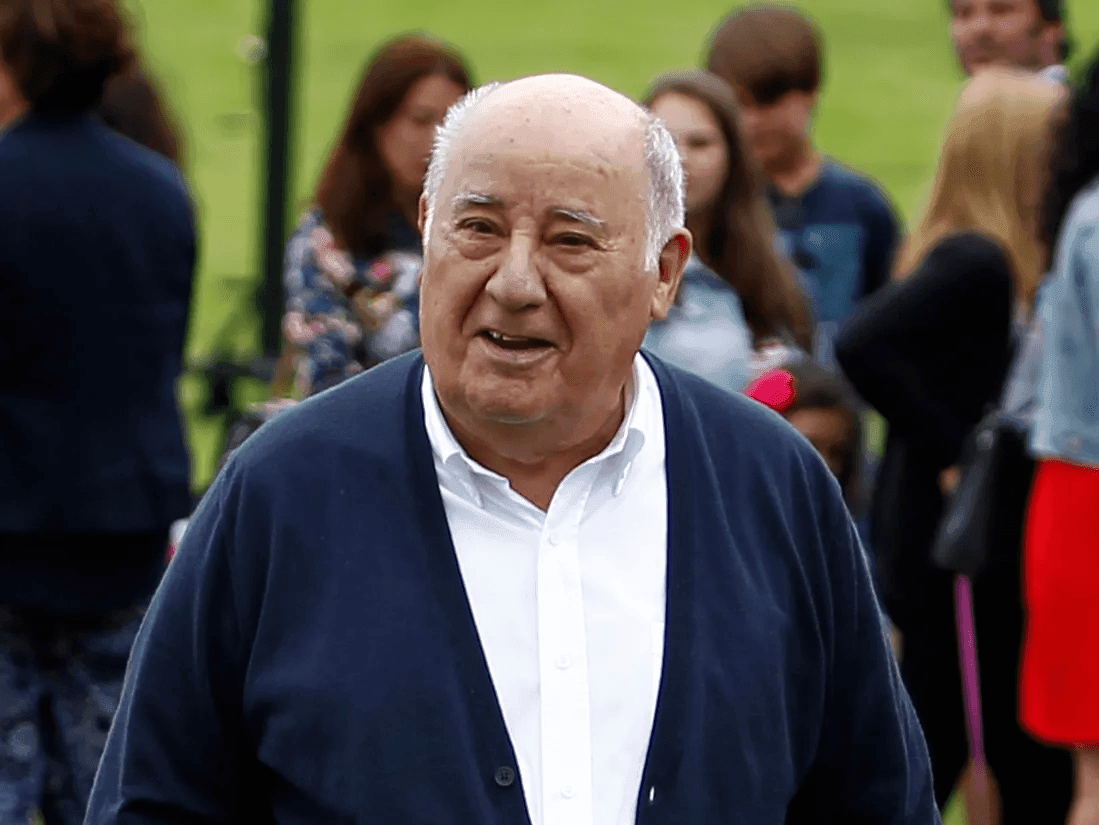
Spanish fashion billionaire Amancio Ortega’s real estate portfolio is valued at about $25 billion, spanning more than 200 properties across 13 countries. In November last year, Ortega paid about $850 million in cash to acquire the iconic Canada Post building in Vancouver—a complex of offices totaling more than 93,000 square meters that is fully leased to Amazon. The transaction set a Canadian record for the largest office building deal, and it was Ortega’s 13th real estate acquisition in 2025.
For the year, Ortega spent more than $3 billion to buy seven office buildings, two hotels, two industrial properties, a luxury retail complex, a residential tower, and a 49% stake in a major port operator in the United Kingdom. The acquisitions cover 10 cities in eight countries.
Forbes says that, based on its review of corporate records, land data, and press releases in nine countries, Ortega has become the world’s largest real estate owner. The magazine cross-referenced information from two real estate databases, Regrid and Real Capital Analytics, to compile its overview.
Forbes estimates Ortega’s portfolio at about $25 billion with more than 200 assets in 13 countries. It ranks him ahead of Harry Triguboff of Australia, listed at $23.2 billion, and Donald Bren of the United States, listed at $19.2 billion.
Forbes estimates Ortega’s net worth at about $148 billion, placing him 10th on the global list of the wealthiest individuals.
Most of the capital Ortega uses for the real estate expansion comes from dividends he receives from his controlling stake in Inditex. Forbes reports that he reinvests this capital into stabilized assets such as office towers and retail spaces in strategic locations worldwide, emphasizing lower-risk, income-generating properties rather than more speculative transactions.
Beyond real estate, Ortega has expanded into energy, telecommunications, and infrastructure through his private investment company, indicating a wider influence across the economy.
Ortega was born to a railway worker and began working at age 14 as a shop floor hand in a shirt shop. In the 1960s, with his then-wife Rosalia Mera, a seamstress, he started sewing dresses and underwear in their family living room. They founded Zara in 1975 and expanded into Inditex a decade later. Ortega and Mera divorced in 1986; Mera remained on the board of Inditex until 2004 and stayed a shareholder until her death in 2013.






Premium gym chains are entering a “golden era” that is ending or already in decline, as rising operating costs collide with shifting consumer preferences toward more flexible, community-based ways to exercise. Long-term memberships are shrinking, margins are pressured by higher rents and facility expenses, and competition from smaller, more personalized…




