•
•
•
•
•
•
•
•
•
•
•
•
•
•
•
•
•
•
•
•
•
•
•
•
•
•
•
•
•
•
•
•
•

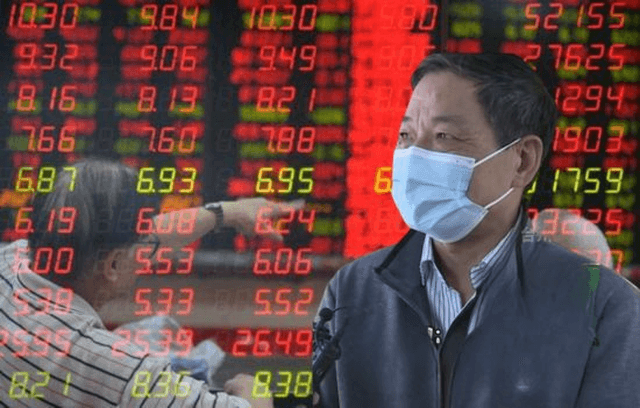
In an interview on the Phố Tài chính Talk Show, ACBS Analyst Đỗ Minh Trang, Director of the ACBS Analysis Center, said she expects Vietnam to achieve GDP growth above 8% in 2026, placing the country among fast-growing economies. She also projected that profits of listed companies could rise by roughly 14–15%. However, the analyst noted that the current environment is not yet conducive to strong capital inflows, with inflation and recession risks directly affecting listed-company profitability.
Ms. Trang said that when risks increase, investors typically demand higher returns to offset opportunity costs. If clear opportunities are not evident in the stock market, capital may shift to safer channels such as savings deposits offering attractive rates.
Regarding the market upgrade story in September 2026, Ms. Trang said it remains an important expectation, but capital inflows are unlikely to accelerate immediately. She cited ACBS’s view that capital is no longer moving solely due to the upgrade event or “emerging market” status. Instead, flows are increasingly tied to global investment themes such as AI, semiconductors, cloud computing, and technology infrastructure.
ACBS also pointed out that the recent trend of foreign net outflows is not Vietnam-specific, but has been observed across many emerging markets in Asia.
ACBS said the upgrade event is scheduled for September 2026, but passive ETF funds are expected to begin disbursing investments in Q1 2027, and at a relatively small rate. If global capital flows continue to retreat as seen in the first half of 2026, ACBS expects the upgrade event’s impact to remain modest until there is a change in the global macro environment.
In its base case, ACBS projects the VN-Index to trade in the 1,750–1,950 point range in the second half of the year, with liquidity at a moderate level.
Ms. Trang said that due to ongoing liquidity challenges in the second half, the market’s rally is likely to remain selective rather than broad-based across the entire market. ACBS highlighted several notable investment themes for the second half:
Under the upgrade narrative, ACBS said beneficiaries are expected mainly to be large-cap stocks, particularly those with foreign ownership room and potential inclusion in FTSE ETFs. These stocks typically cluster in banks, real estate, and large-cap retailers.
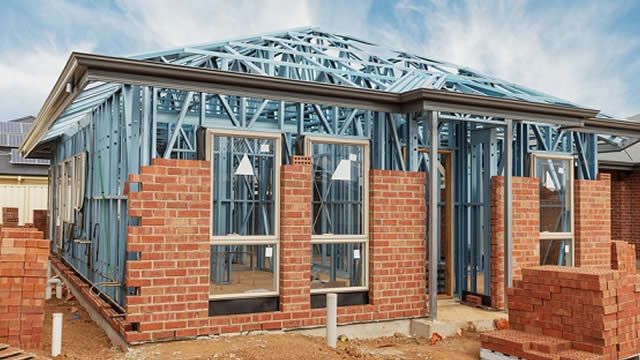
The second group includes upstream and midstream players in construction materials and infrastructure, which may benefit from public investment policy.
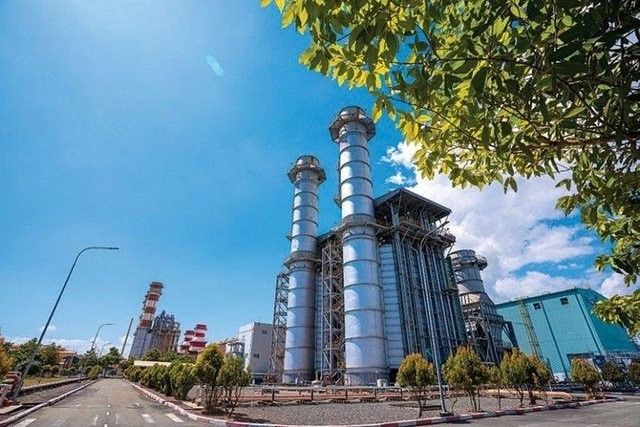
The third group comprises upstream and midstream players in the oil and gas sector, especially those with large backlogs, high cash on hand, and low debt.
Finally, defensive stocks in essential goods, utilities, or retail may attract mid-term capital if they are priced attractively. ACBS said common traits include low debt, strong cash flow, and high cash dividend yields.
ACBS believes the overall backdrop in the last six months of the year will likely involve consolidation within the 1,750–1,950 range, supported by moderate liquidity. The firm linked a potential market breakout to conditions such as inflation risk easing, global interest rates stabilizing, and monetary conditions returning to neutral.
In the current phase, Ms. Trang recommended maintaining a reasonable cash weight to take advantage of the high interest-rate environment. She said cash can be allocated to savings deposits, certificates of deposit, or corporate bonds with attractive yields.
For stock portfolios, ACBS advised deploying capital only in areas with attractive valuations. Given that valuations are now highly dispersed, the analyst said investors should not rely on the VN-Index alone to identify a buy zone. Instead, investors should combine sector growth prospects with individual stock valuations.
ACBS concluded that the focus in the second half should be on stocks benefiting from mid-term investment themes, with solid financial fundamentals and resilience in a liquidity environment that is not fully robust.