•
•
•
•
•
•
•
•
•
•
•
•
•
•
•
•
•
•
•
•
•
•
•
•
•
•
•
•
•
•
•
•
•


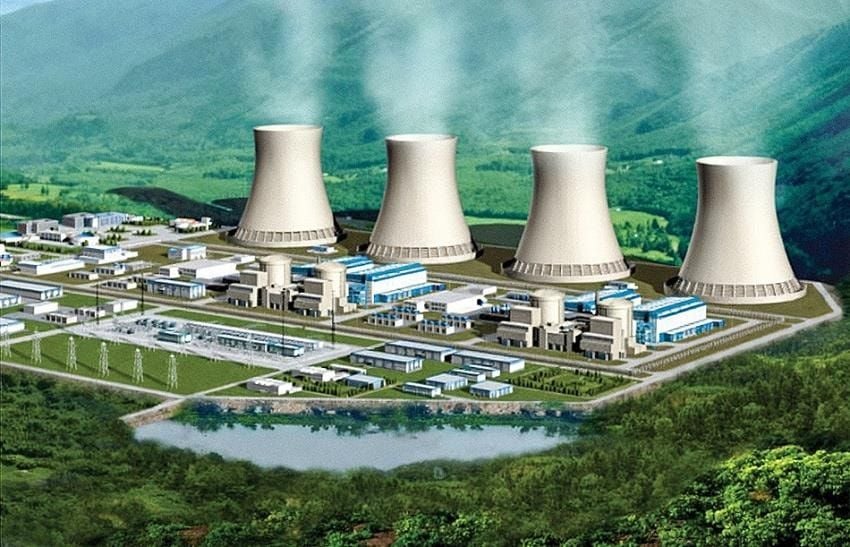
Energy is increasingly a foundational factor in the ecosystem of modern technology. The rapid development of semiconductors, artificial intelligence and data centers is driving demand for electricity at large scale, with rising expectations for stability and environmental standards. In response, many countries and technology groups are accelerating investment in advanced energy solutions, including next-generation nuclear models such as small modular reactors, integrated with storage and intelligent systems to support continuity and efficiency of production and operation in high-tech sectors.
For Vietnam, these trends create a need to proactively develop energy infrastructure to support the sustainable growth of strategic technology sectors and enable deeper participation in global value chains. Promoting research, absorption and gradual mastery of advanced energy technologies—particularly safe and modern nuclear energy—has been identified as a key factor in strengthening energy security and improving national competitiveness.
Against this backdrop, the National Innovation Center (NIC) and the Ministry of Finance, in cooperation with EXCEL Services Corporation (USA), organized the Vietnam–U.S. Innovation Forum on advanced energy development for strategic technology sectors at NIC Hoa Lac.
The forum builds on cooperation activities between NIC and EXCEL Services Corporation under the GBIC program in the United States in March 2026. It provides a venue for dialogue among policymakers, enterprises, experts and investors to discuss development directions, share international experience and promote the ability to implement advanced energy projects in Vietnam.
In remarks at the forum, Mr. Vo Xuan Hoai, Deputy Director of the NIC, said that as strategic technologies increasingly depend on large-scale, stable and sustainable energy infrastructure, developing advanced energy solutions is important for long-term economic competitiveness and for achieving two-digit growth in the coming period.
He said the forum aims to strengthen connections across the innovation ecosystem—linking regulators, enterprises and international partners—to promote research collaboration, technology transfer and human-resource development, with the goal of building an energy foundation suited to Vietnam’s strategic technology sector development.
From a business standpoint, the requirement for stable, high-quality electricity that meets technical standards is described as a critical condition to attract and sustain high-tech investment projects.
According to Mr. Dan Ludwig, Vice Chairman of EXCEL Services, Vietnam needs an extremely stable energy supply to maintain global supply chains for components, systems and IT/AI services. He also noted that Boeing depends on high-tech zones to manufacture components with stringent quality requirements.
The technical solution discussed is the use of small- and micro-scale nuclear reactors (SMR), integrated with smart micro-grids. The model is presented as a way to meet domestic demand while easing investment pressure on the national transmission and distribution system.
Mr. Dan Ludwig said: “Our mission is not to compete with EVN or PetroVietnam. Developing local power will reduce financial pressure on EVN, especially in large-scale investments in the nationwide transmission and distribution network.”
Mr. James Voss, Vice Chairman of EXCEL Services Corporation, added that the company is researching and developing next-generation energy solutions with high reliability, including small modular reactors and integrated energy systems, to support continuous operation needs of high-tech sectors.
EXCEL’s leadership also highlighted potential cooperation with Vietnam to implement solutions aligned with practical conditions, while gradually transferring technology and operating experience.
Advanced energy was also discussed as an important area of cooperation in Vietnam–U.S. relations. Former Deputy Minister of Foreign Affairs and former Vietnamese Ambassador to the United States, Pham Quang Vinh, said advanced energy is a key cooperation area as both countries promote high-tech priorities, innovation and sustainable development. He noted that strengthening cooperation would support domestic development needs and help Vietnam participate more deeply in global value chains and technology networks.
From a governance perspective, representatives of the Ministry of Science and Technology and the Ministry of Industry and Trade said legal frameworks, planning and policy mechanisms for developing new energy forms—including nuclear power—are being implemented to ensure safety, comply with international standards and suit Vietnam’s conditions.
During the forum, participants discussed potential programs for training and developing human resources, particularly in energy and related engineering for large-scale technology projects in the future. The public–private–academic collaboration model was identified as a key element to drive innovation and strengthen domestic capacity.
The Vietnam–U.S. Forum on Innovation for Advanced Energy Development is positioned as a step toward concretizing Vietnam’s major policy directions, while opening opportunities to intensify international cooperation, attract high-quality resources and lay a foundation for energy that supports the development of strategic technology sectors in the coming period.
Premium gym chains are entering a “golden era” that is ending or already in decline, as rising operating costs collide with shifting consumer preferences toward more flexible, community-based ways to exercise. Long-term memberships are shrinking, margins are pressured by higher rents and facility expenses, and competition from smaller, more personalized…