•
•
•
•
•
•
•
•
•
•
•
•
•
•
•
•
•
•
•
•
•
•
•
•
•
•
•
•
•
•
•
•
•


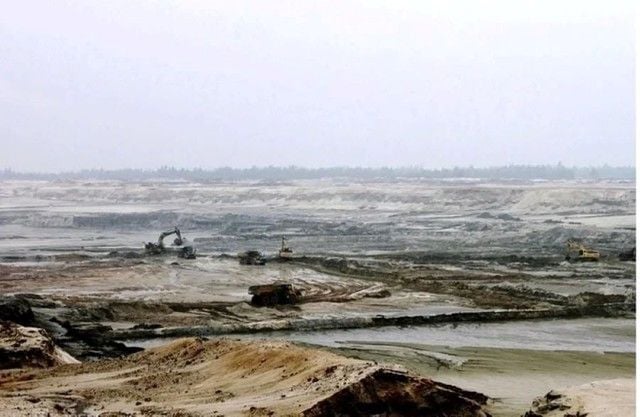
The Thach Khe iron ore mining and processing project, led by TIC (Thach Khe Iron Ore Joint Stock Company), has been under development since 2008, with total investment of about 14,500 billion VND.
On the morning of May 7, during a meeting with Ha Tinh province, relevant ministries, and Vietnam National Coal and Mineral Industries Group (TKV), the Deputy Prime Minister said the General Secretary and President To Lam had instructed the government to resolve all petitions related to the Thach Khe iron ore project within May.
For years, the Thach Khe iron ore project has faced controversy over economic viability, mining technology, environmental impact, transportation, and waste rock disposal. Although directives have been issued by the government and the Politburo, the project has not yet been resolved.
At the meeting, Ha Tinh Chairman Phan Thiên Định said the province proposes terminating the existing project and setting up a new investment project instead of continuing under the old model.
According to provincial leaders, the previous project encountered problems related to land, finance, mining technology, socio-economic impacts, and environmental factors. If redeveloped, the new investor would need to meet full requirements on financial capacity, experience, and technology, while ensuring efficient resource exploitation and contributing to local development.
Representatives of TKV and TIC reported on their operations and addressed issues previously raised by inspectors and auditors. Both units asked authorities to make a final decision soon to prevent the project from remaining suspended.
In concluding remarks, Deputy Prime Minister and Acting Prime Minister Pham Gia Tuc said that after multiple discussions, the views of Ha Tinh, TKV, and the ministries are clear. He noted that the dossier is relatively complete and that opinions should be finalized promptly so the Ministry of Finance can compile and submit it to the government for consideration before May 15.
If the option is to stop the project now and seek a new investor, the investor must have sufficient financial capacity, high technology, and a deep-processing plant, meet environmental requirements, and resolve the project’s existing issues. The plan should also balance the interests of all parties and improve long-term exploitation efficiency.
The content states that in 2007 there were 9 founding shareholders with charter capital of 2,400 billion VND, but some did not contribute capital as pledged, which affected the company’s operating plan.
The article notes that Vietnam’s steel industry still imports about 30 million tons of iron ore annually, representing about 95% of demand. It adds that this makes production costs vulnerable to global price swings and increases pressure on the foreign exchange balance. In that context, securing a large-scale domestic iron ore source is described as a key factor that could affect the steel industry’s long-term competitiveness.
Premium gym chains are entering a “golden era” that is ending or already in decline, as rising operating costs collide with shifting consumer preferences toward more flexible, community-based ways to exercise. Long-term memberships are shrinking, margins are pressured by higher rents and facility expenses, and competition from smaller, more personalized…