•
•
•
•
•
•
•
•
•
•
•
•
•
•
•
•
•
•
•
•
•
•
•
•
•
•
•
•
•
•
•
•
•


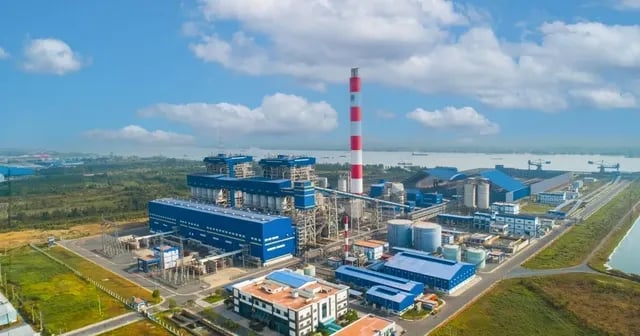
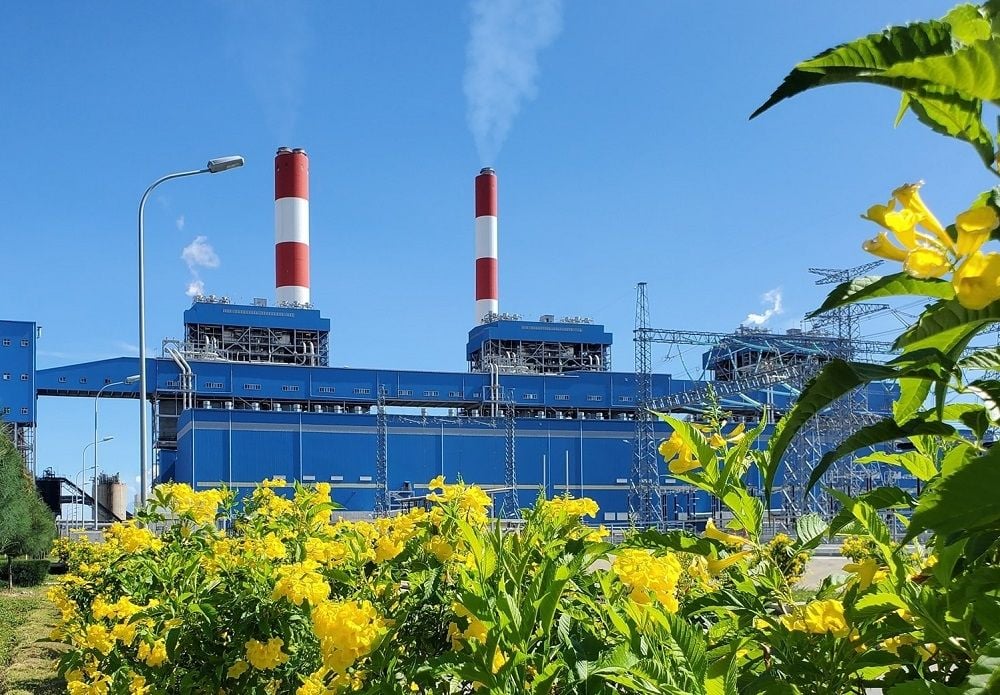
On April 28, Deputy Minister Le Cong Thanh of the Ministry of Agriculture and Environment signed a directive addressed to three groups of investors and operators of 32 thermal power plants nationwide, urging intensified environmental protection and prevention of environmental incidents while ensuring stable operation and no disruption to electricity supply during the dry season.
Many of the listed plants are located in Quảng Ninh, Hải Phòng, Thái Nguyên, Hà Tĩnh, and Thanh Hóa, as well as in the South Central and Southern regions. The directive notes that these facilities are important electricity generation sources for the national grid.
The directive requires the units to comprehensively review the current status of equipment and the efficiency of waste treatment facilities, with a focus on exhaust gas treatment systems to prevent environmental incidents and avoid discharges beyond technical standards.
Plants must ensure stable operation of exhaust gas collection and treatment systems, as well as automatic continuous emission monitoring systems. Maintenance, servicing, and replacement of materials and equipment should be carried out periodically, prioritized before the dry season or during periods of low demand.
Following comprehensive inspections, units are required to promptly address faults and develop proactive maintenance plans, applying technical and management measures based on early prevention to minimize the risk of disruption to generating unit operations.
If repairs or retrofits are needed for equipment that could affect dispatch capacity, the unit must prepare a specific plan and coordinate with the system operator to schedule work in line with the dry-season electricity supply plan.
The Ministry also requires enterprises and plants to strictly control the quality of incoming fuels, especially sulfur content, coal ash, and moisture. Based on fuel characteristics, plants must forecast emission concentrations of main pollutants including SO2, NOx, and total particulates to adjust fuel mixing ratios accordingly, and must not accept coal that does not meet technological requirements.
Exhaust gas treatment systems must be monitored closely for operating efficiency. Enterprises are instructed to set internal alarm thresholds for pollution parameters to proactively adjust operating modes and reduce the risk of emissions exceeding standards.
For major renovation items with high costs—such as electrostatic precipitator (ESP) dust filters, SO2 removal systems, and NOx treatment—units must develop a concrete roadmap to ensure no disruption to dispatch during the dry season and in subsequent years.
From now until December 31, 2031, power plants that are currently operating or that have completed environmental procedures before July 1, 2025 will continue applying QCVN 22:2009/BTNMT and relevant local regulations. Starting in 2032, these facilities must comply with the new industrial emission standards under QCVN 19:2024/BTNMT.
The Ministry urges units to promptly develop plans to convert technology and upgrade waste treatment systems to meet the new requirements according to the regulatory roadmap.
Separately, taking advantage of rising prices, Phú Mỹ Fertilizer (DPM) exports 3,300 tons of technical-grade urea to support diesel engine exhaust treatment.
By Phúc Văn

Premium gym chains are entering a “golden era” that is ending or already in decline, as rising operating costs collide with shifting consumer preferences toward more flexible, community-based ways to exercise. Long-term memberships are shrinking, margins are pressured by higher rents and facility expenses, and competition from smaller, more personalized…