•
•
•
•
•
•
•
•
•
•
•
•
•
•
•
•
•
•
•
•
•
•
•
•
•
•
•
•
•
•
•
•
•


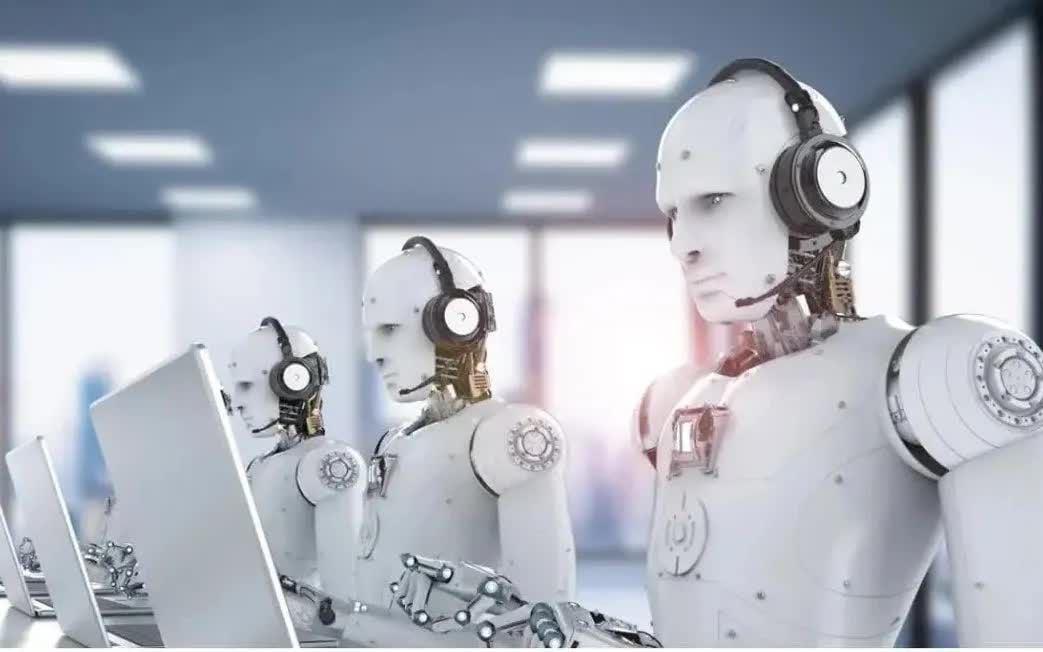
AI is being cited as the “culprit” behind a new wave of layoffs at major technology companies, but the underlying drivers appear to extend beyond the technology itself to broader restructuring in the global labor market.
Last month, Meta cut 8,000 jobs, while Microsoft introduced a voluntary separation program for the first time in its history. Other tech firms also pointed to artificial intelligence as a key reason for workforce reductions. The question is whether AI is truly the cause—or a factor used to explain decisions that were already underway.
Meta is expected to cut 10% of its global workforce, about 8,000 people, according to CNN. The company has also stopped hiring for 6,000 new roles. The Next Web reports that Meta’s HR representative said the cuts are intended to offset investments that could reach $135 billion this year, largely for AI infrastructure.
Microsoft’s approach is described as more limited. CNBC reports that Microsoft announced a voluntary separation program for employees in the US, applicable to staff from managerial level downward, with combined age and tenure of at least 70 years. CNBC also notes this is the first such program in more than half a century, introduced amid major AI-driven changes.
In the first quarter of this year alone, an estimated more than 78,000 technology jobs were cut globally. More than 20% of those cuts were attributed to AI, up sharply from 8% a year ago.
Several perspectives suggest the relationship is not straightforward. Harvard Business Review argues that some companies are laying off workers based on the potential of AI rather than its demonstrated performance.
Invezz adds that it may take another six months to a year for companies to see meaningful productivity gains from AI. That timing, it suggests, can mean layoffs are happening faster than automation benefits materialize.
OpenAI’s CEO has also acknowledged the concept of “AI washing,” describing it as blaming AI for layoffs that would occur regardless of whether AI delivers the expected impact.
The issue is not only the number of jobs cut, but also structural changes in the labor market. The article notes that there are now more unemployed specialists than available workers, and that more than half of last year’s graduates have yet to find employment.
Overall, the article frames AI as more than a driver of specific layoffs—suggesting it is reshaping career paths and forcing both companies and workers to redefine value in a rapidly changing labor market.
Premium gym chains are entering a “golden era” that is ending or already in decline, as rising operating costs collide with shifting consumer preferences toward more flexible, community-based ways to exercise. Long-term memberships are shrinking, margins are pressured by higher rents and facility expenses, and competition from smaller, more personalized…