•
•
•
•
•
•
•
•
•
•
•
•
•
•
•
•
•
•
•
•
•
•
•
•
•
•
•
•
•
•
•
•
•


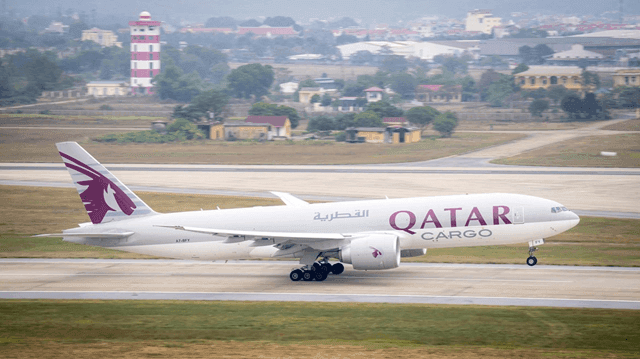
Airlines are recalculating their summer schedules as aviation fuel prices rise again amid renewed tensions in the Middle East. Carriers say the adjustments are aimed at reducing costs while maintaining safe operations.
In its latest update, the Ministry of Construction said the global aviation fuel market from April to early May 2026 continued to be heavily influenced by the conflict in the Middle East. While there were some positive diplomatic signals, the situation remains complex, disrupting energy supply chains and pushing Jet A-1 prices higher.
Jet A-1 prices in Singapore increased from about $85–$90 per barrel before the crisis to about $150–$200 per barrel in early May 2026. On May 5, the price was around $160–$170 per barrel. Brent crude traded at roughly $102–$103 per barrel on May 6 after a modest rebound, while WTI was around $96.
The Ministry of Construction said Iran’s restrictions on traffic through the Hormuz Strait are tightening global aviation fuel supply. If tensions persist, it warned that some regions—particularly Europe—could face significant fuel shortages from June 2026.
Cost pressures are leading many international airlines to cut flights, shrink networks, or raise fares to offset higher fuel costs.
For example, Lufthansa plans to cut about 20,000 short- and medium-haul flights between May and October 2026. The airline is also considering an additional 2.5%–5% capacity reduction if the fuel shortage continues.
Global estimates for May 2026 indicate around 2 million fewer seats and more than 13,000 fewer flights compared with prior expectations, reflecting the impact of higher fuel prices.
In Vietnam, the Ministry of Construction said air travel in Q1 2026 continued to recover positively. However, with the risk that fuel costs remain high and supply stays unstable, domestic airlines are expected to recalibrate their summer schedules. Officials said airlines will prioritize cost optimization, load balancing, and safe operations rather than expanding networks as they did earlier in the recovery phase.
The Civil Aviation Administration of Vietnam also introduced a slot exemption mechanism for flights affected by the Middle East conflict for the period 28/02–30/06/2026. Under the mechanism, slots not used or not used as scheduled by Emirates, Qatar Airways, and Etihad Airways during 28/02–28/03/2026 will still be counted as used when assessing winter 2026–2027 slot rights. For slots 29/03–30/06/2026, if already confirmed before slot calculation but returned due to the conflict, they will also be treated as used when assessing summer 2026 rights for summer 2027.
The same mechanism applies to Vietnamese and other foreign airlines if slots are returned before 15/05/2026. After 30/06, the aviation authority will continue monitoring the Middle East conflict and Jet A-1 prices to decide whether to extend the exemption. It also plans to adjust the minimum slot sequence length from 5 weeks to 10 weeks starting with the winter 2027 schedule.
Premium gym chains are entering a “golden era” that is ending or already in decline, as rising operating costs collide with shifting consumer preferences toward more flexible, community-based ways to exercise. Long-term memberships are shrinking, margins are pressured by higher rents and facility expenses, and competition from smaller, more personalized…