•
•
•
•
•
•
•
•
•
•
•
•
•
•
•
•
•
•
•
•
•
•
•
•
•
•
•
•
•
•
•
•
•


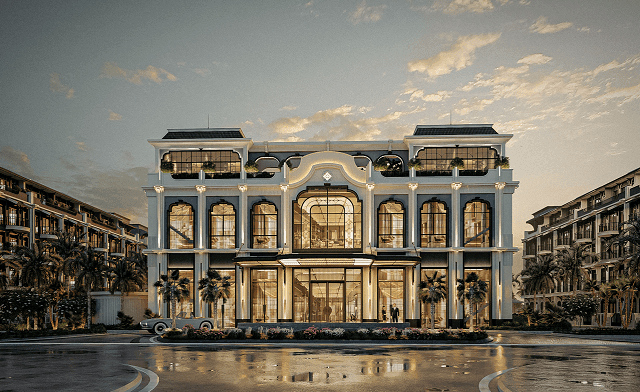
In June, Frasers Property will officially open the ANmaison show home at 226 Le Lai Street, Ngo Quyền Ward, Hai Phong City. The project is a luxury low-rise housing development in Hai Phong’s Port area, designed around Modern Indochine—an architectural style described as a rare “heritage asset” that blends European aesthetics with Asian cultural elements.
ANmaison will be built on a 13.6-hectare site and includes 280 townhouses and villas. The development is positioned as a strategic expansion for the Singaporean group in northern Vietnam, introducing what the company describes as a sustainable luxury living standard for the elite.
Modern Indochine traces its origins to the 1920s, developed under architect Ernest Hébrard. The style is characterized by multi-layered tile roofs, lattice shutters, artisanal details, and distinctive color palettes. While classical Indochine is described as more familiar, Modern Indochine is presented as a rarely realized version that preserves the Indochina spirit while upgrading it with open spaces, modern functionality, and advanced craftsmanship—requiring deep cultural understanding and substantial investment.
Frasers Property selected Hai Phong for its next Modern Indochine signature, citing the city’s continued presence of Indochine architectural features. The article points to landmarks such as the Hai Phong Grand Opera House and colonial-era streets with tiled roofs, lattice shutters, ochre walls, and artisanal details reflecting a French–Asian fusion.
ANmaison reinterprets Modern Indochine in a contemporary design language, including curved arches, hand-carved Indochine motifs, refined finishing materials, and open spaces. The project also features large glass facades and modern construction technologies, aiming to keep the heritage spirit while aligning with current luxury living standards.
The development’s design is described as a “4D living and business” model, where each spatial layer balances living, working, and wellness. The street-facing façade is intended to support retail, boutique, or high-end lifestyle concepts, while the rear opens to private green spaces facing an internal park to create a more breathable environment for personal living and wellness experiences.
On the second floor, dual-facing balconies are designed to allow residents to experience both urban activity and green space within the same home. The open design approach is intended to optimize daylight and natural ventilation, supporting long-term living quality.
Upper floors are also described as distinct living domains connected by open corridors, balconies, and shared living spaces, enabling multi-generational living under one roof while preserving privacy and togetherness.
The article links ANmaison to Frasers Property’s broader track record in creating international living standards in Vietnam. It cites the company’s portfolio at SGD 49.4 billion, spanning residential, commercial, industrial, retail, and hospitality, and references flagship developments including Q2 Thao Dien, Melinh Point, and Melia Hanoi.
Beyond Hai Phong, the group also plans a 113-hectare integrated mega-urban project in Dong Nai, described as part of its commitment to delivering a sophisticated and sustainable living standard for the future.
Frasers Property will officially open the ANmaison show home in June at 226 Le Lai Street, Hai Phong. The company says the visit will allow guests to experience a Modern Indochine living standard where architecture, function, and heritage converge in a refined residential environment.
Premium gym chains are entering a “golden era” that is ending or already in decline, as rising operating costs collide with shifting consumer preferences toward more flexible, community-based ways to exercise. Long-term memberships are shrinking, margins are pressured by higher rents and facility expenses, and competition from smaller, more personalized…