•
•
•
•
•
•
•
•
•
•
•
•
•
•
•
•
•
•
•
•
•
•
•
•
•
•
•
•
•
•
•
•
•


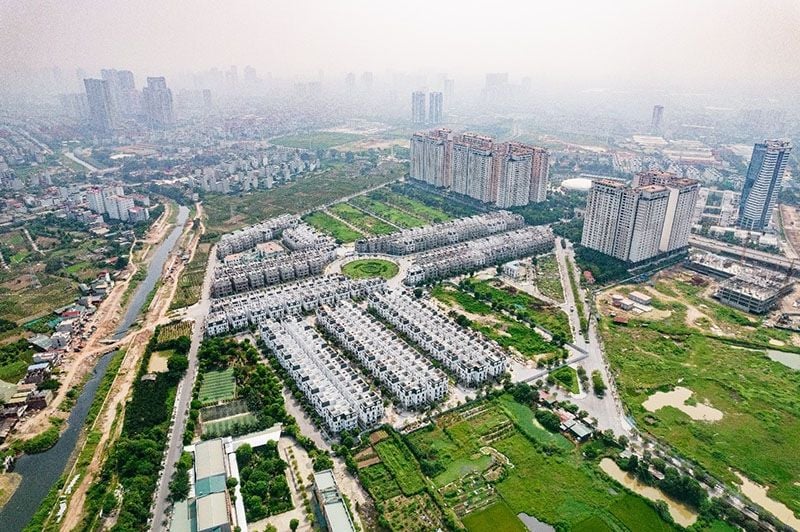
The Hanoi People’s Committee has issued a decision on land-use targets through 2030 and allocated them to the city’s commune-level administrative units. According to Hanoi’s 2030 land-use targets, the agricultural land category totals 172,444 hectares, down 732 hectares from the allocated target (173,175 hectares). For the non-agricultural land category, the target through 2030 is 162,543 hectares, up 731 hectares from the allocated target (161,812 hectares). Specifically, rural residential land increases by 31,378 hectares, urban residential land increases by 13,444 hectares, land for office buildings increases by 1,417 hectares; non-agricultural production and business land increases by 14,309 hectares; land used for public purposes increases by 52,860 hectares. The decision also allocates land-use targets through 2030 to the city’s commune-level administrative units. Specifically for the non-agricultural land category, Phú Nghĩa commune (over 1,673 ha); Trần Phú commune (over 1,798 ha); Xuân Mai commune (over 1,727 ha); Đông Anh (over 2,897 ha); Vĩnh Thanh (over 1,435 ha); Gia Lâm (over 2,047 ha); Bát Tràng (over 1,249 ha); Phú Đổng (over 2,097 ha); Hoài Đức (over 1,169 ha); An Khánh (nearly 1,469 ha); Mê Linh (nearly 1,882 ha); Quang Minh (nearly 1,909 ha); Phú Cát (nearly 2,495 ha); Sóc Sơn (nearly 3,429 ha); Nội Bài (nearly 2,690 ha); Đan Phượng (over 847 ha).”
Premium gym chains are entering a “golden era” that is ending or already in decline, as rising operating costs collide with shifting consumer preferences toward more flexible, community-based ways to exercise. Long-term memberships are shrinking, margins are pressured by higher rents and facility expenses, and competition from smaller, more personalized…