•
•
•
•
•
•
•
•
•
•
•
•
•
•
•
•
•
•
•
•
•
•
•
•
•
•
•
•
•
•
•
•
•


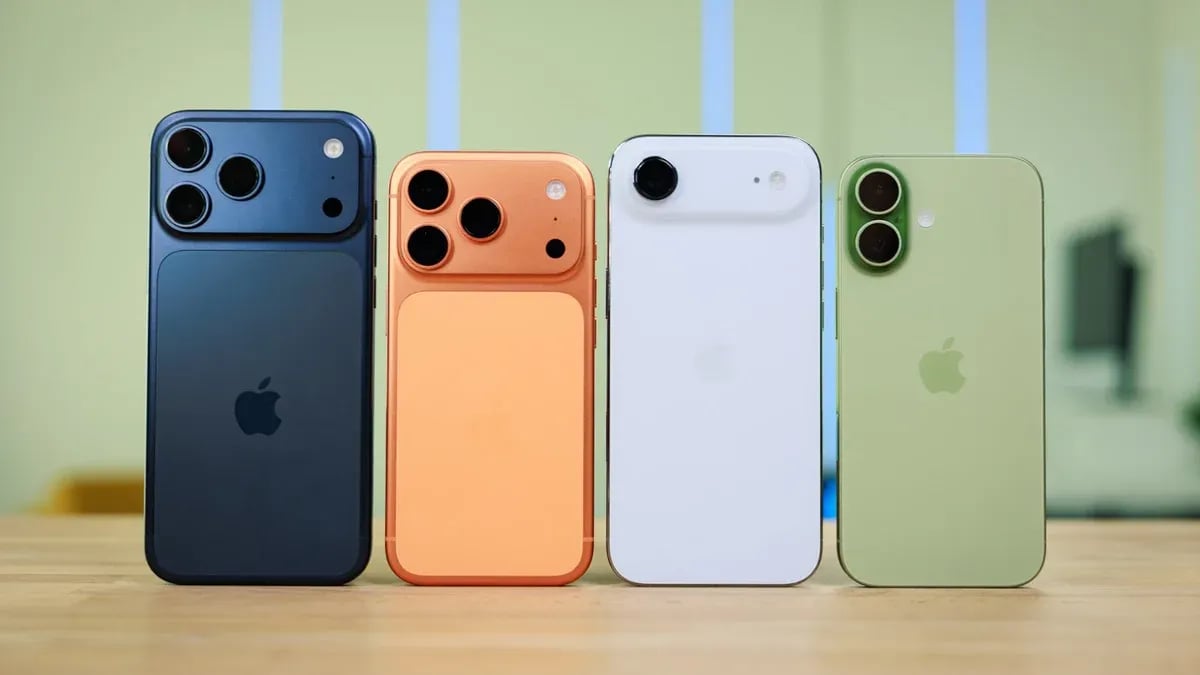
Apple’s iPhone roadmap points to the iPhone 17 arriving last year and the iPhone 18 launching later this year, with the iPhone 19 expected in 2027. Separate reporting also suggests Apple plans a special design for the 20th anniversary of the iPhone’s launch, similar to the iPhone X anniversary approach in 2017. As no official product name has been confirmed, the anniversary model is temporarily referred to here as the iPhone 20.
Sources say the iPhone 20 could introduce multiple design breakthroughs. One of the key claims is that it would be the first iPhone with an edge-to-edge display, featuring a slightly curved panel on all four sides. The report adds that the device would not include a notch or any screen-cutting design.
The stated aim is not only aesthetics, but also improved ergonomics and interaction. A softer grip is expected to come from the curved form factor, while more natural edge swiping would be supported by the display’s full coverage.
According to some reports, these concepts were not newly conceived. Apple is said to have prepared early on, including working with Samsung to develop a curved display for the iPhone. If Apple executes successfully, the same display direction could be adopted by Samsung more quickly across its Galaxy S line, potentially starting with the Galaxy S28 around 2028.
Other sources indicate Apple wants to remove all physical buttons, moving toward an “all-glass” minimalist device. However, a newer report argues that hardware constraints are complicating that goal and forcing Apple to weigh two priorities: delivering a flawless iPhone concept versus meeting the anniversary launch timeline.
To fully eliminate the notch, the front camera would need to be under-display. The reporting notes that this technology has not yet reached Apple’s standards. If Apple cannot complete the full technology stack, a compromise could be keeping a small punch-hole camera.
The report also highlights issues with under-display Face ID. Components ordered for under-display Face ID are reportedly unstable and slower than current standards. Apple initially planned to use under-display Face ID on the iPhone 18 Pro, but it remains unclear whether the same approach will be used for the iPhone 20.
With the iPhone 20 potentially announced in fall 2027, the report suggests Apple still has time to advance the underlying technologies. It also remains unclear whether the claimed breakthroughs would apply across the entire iPhone lineup or be limited to premium editions.







Premium gym chains are entering a “golden era” that is ending or already in decline, as rising operating costs collide with shifting consumer preferences toward more flexible, community-based ways to exercise. Long-term memberships are shrinking, margins are pressured by higher rents and facility expenses, and competition from smaller, more personalized…




