•
•
•
•
•
•
•
•
•
•
•
•
•
•
•
•
•
•
•
•
•
•
•
•
•
•
•
•
•
•
•
•
•


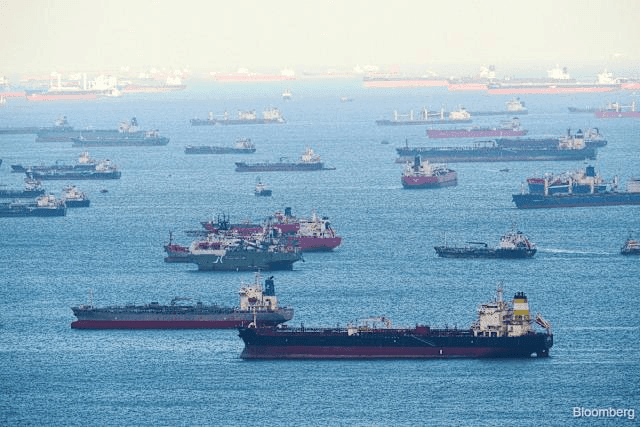
Asia’s refineries are increasingly dependent on U.S. crude oil as disruptions to Middle East supply force regional buyers to seek alternatives to avoid fuel shortages and limit broader economic spillovers.
Traders say Japan is leading purchases of U.S. crude, with volumes already bought and cargoes scheduled to load from Gulf Coast ports in May the highest among Asian buyers. Refineries in South Korea, Singapore and Thailand are also joining the trend.
Bloomberg data show total U.S. crude booked for May loading from this region reached at least 60 million barrels—equal to April and the highest in three years.
The disruption is linked to the Iran conflict and ongoing blockage at the Hormuz Strait, now in its seventh week. While the U.S. and Iran prepare for the next round of talks and a two-week ceasefire is set to expire, Hormuz—the strategic energy artery—remains blocked, tightening crude availability for Asia.
The Asia fuel crisis is beginning to affect consumers and the broader economy. Some governments have had to curb demand; airlines are cutting flights, while manufacturing faces rising energy risk.
Most U.S. crude shipped to Asia is carried on VLCCs (very large crude carriers) with about 2 million barrels capacity per voyage. Smaller vessels such as Aframaxes are also used, including routes that can traverse the Panama Canal to shorten the journey to East Asia across the Pacific.
“Over the next two weeks, there will be virtually no vacant VLCCs to charter. In the past 90 days, the market typically had about four idle ships,” said John Coleman, a crude analyst at energy information firm Sparta Commodities, in a Bloomberg interview. He added this could be an early sign that demand for ship charters is rising and that U.S. Gulf exports are about to surge.
U.S. government data show that in the week ended April 10, exports of crude and refined products reached nearly 13 million barrels per day. Crude alone exceeded 5 million bpd, the highest since September.
Rohit Rathod, senior oil market analyst at Vortexa, said the Atlantic basin is becoming the main substitute because shipowners may believe they cannot lift cargo from the Persian Gulf. He noted Gulf of Mexico crude exports are likely to stay high in the coming months, even if the conflict ends.
Traders say most of the roughly 60 million barrels were booked earlier in April. However, trading has slowed in recent days as U.S. crude pricing to Asia rises above Middle East crude, reducing cost advantages.
Asian buyers have also increased purchases of Alaska North Slope crude, a higher-sulfur grade closer to Persian Gulf qualities. Earlier this month, Alaska North Slope prices hit record highs, at times more than Brent by about $10 per barrel.
Mars crude, a key sour U.S. grade, is trading at about $15 per barrel above WTI in April—the widest gap on record.
Despite higher prices, U.S. crude remains attractive to many Asian refiners because it is among the few oils not dependent on Hormuz transit, according to Coleman of Sparta Commodities.
The strong buying trend is also pushing regional refiners to compete more directly with rivals in other markets. Some cargoes previously destined for European refiners are now moving to Asia. Official data show the Netherlands is currently the largest buyer of U.S. crude, followed by Korea.
Even so, some Asian refiners are still seeking to re-establish supply from the Middle East. Brokers report continued charters for loading in the Persian Gulf, mainly for Indian state-owned refiners.
Analysts say that as long as ships cannot move freely through Hormuz, Persian Gulf supply will remain constrained.
Middle East crude into the U.S. is shrinking rapidly. Although the U.S. is the world’s largest crude producer, it still imports some crude because not all domestic refiners can process locally produced varieties. Saudi crude previously served as an important supplement, but U.S. imports of Saudi crude have fallen below 250,000 bpd from nearly 800,000 bpd in February.
To make up the shortfall, the U.S. is importing more similar grades from the Americas.





Premium gym chains are entering a “golden era” that is ending or already in decline, as rising operating costs collide with shifting consumer preferences toward more flexible, community-based ways to exercise. Long-term memberships are shrinking, margins are pressured by higher rents and facility expenses, and competition from smaller, more personalized…