•
•
•
•
•
•
•
•
•
•
•
•
•
•
•
•
•
•
•
•
•
•
•
•
•
•
•
•
•
•
•
•
•


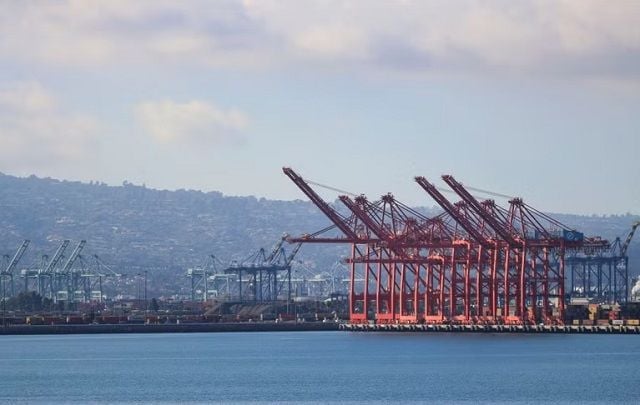
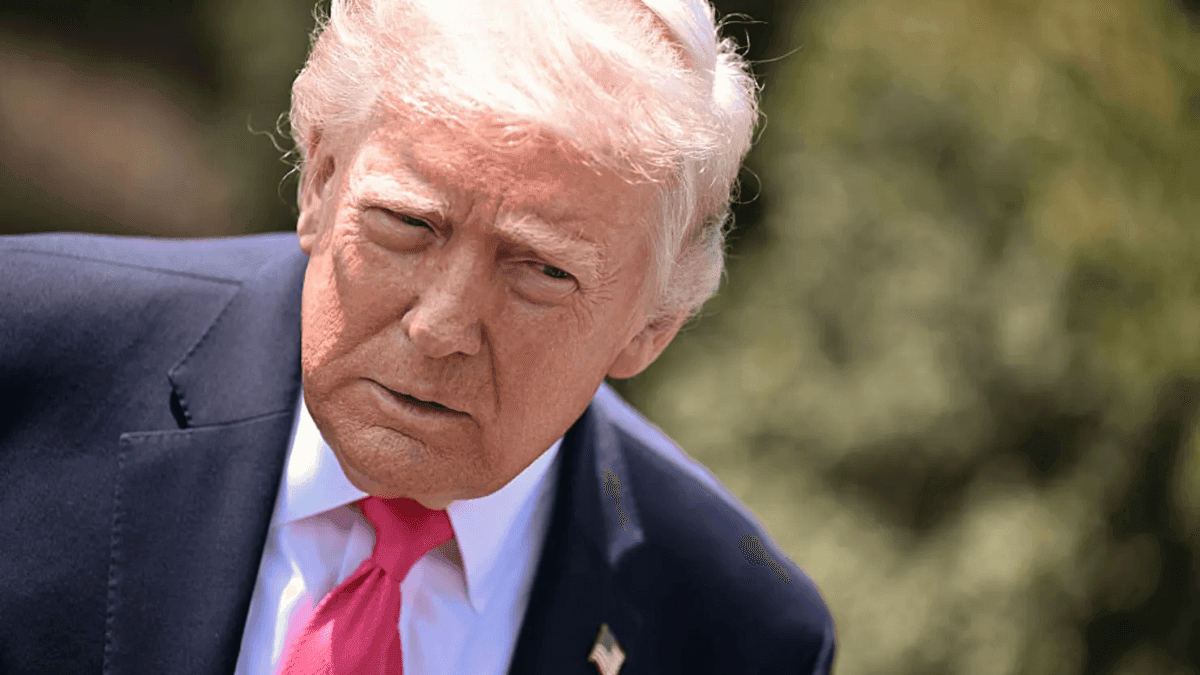
US opens tax refund portal as legal barriers persist. One option under consideration is Section 301 tariffs aimed at unfair or discriminatory trade practices of US trading partners. Importers in the US will be eligible for more than $166 billion in tariff refunds after the Supreme Court's decision in February 2026, following the administration's launch of the portal on April 20. Importers hoped the system would run smoothly to reimburse refunds, but companies and Wall Street analysts have tempered expectations that refunds will come quickly. Trade lawyers warned about bureaucratic hurdles, legal risks, and the possibility that the administration might appeal at the last moment. CNBC quotes trade attorney Matthew Seligman of Grayhawk Law as saying importers are pessimistic that the government will make this easy. They expect that the government will make recovering funds as difficult as possible. According to the US Customs and Border Protection (CBP), importers and their agents can begin filing refund requests through the online portal at 8 a.m. on April 20. This is the first step in a complex process that could ultimately lead to refunds for consumers who paid some or all tariffs on goods shipped from outside the US. Companies must file declarations listing goods on which they paid billions in tariffs, later overturned by a court. If CBP approves the claims, refunds will take 60–90 days. The US government plans to process refunds in stages, prioritizing more recent payments. Technical and procedural factors could slow applications, so refunds that businesses expect to return to customers may arrive late. CBP said in court filings that more than 330,000 importers paid a total of roughly $166 billion across more than 53 million shipments. Not all applications are eligible for the initial phase of the refund system, which applies only to tariffs that were estimated but not finalized or within 80 days of the final settlement. To receive refunds, importers must register CBP's electronic payments system. As of April 14, 56,497 importers had completed registration and were eligible to receive a total of $127 billion in refunds, including interest. In the February 20 decision, the Supreme Court held that President Trump overstepped Congress's power in setting tariffs by applying a new tariff on products from nearly every country last April, citing the International Emergency Economic Powers Act (IEEPA). Although the majority did not mention refunds in the ruling, a judge from the US International Trade Court recently found that companies subject to IEEPA tariffs have the right to refunds. Government officials have been firm about reviving tariffs through other legal channels beyond IEEPA. One option under consideration is Section 301 tariffs aimed at discriminatory or unfair trade practices by US trading partners. Treasury Secretary Scott Bessent said at a The Wall Street Journal event last week: “We face obstacles at the Supreme Court on tariff policy, but will proceed with or study under Section 301, so tariffs could be restored to preexisting levels by early July.” Importers have voiced concerns about any upcoming Section 301 tariffs. Eugene Laney, president of the US Import-Export Association, told CNBC on April 16 that “we are really worried about that. But even if they implement it, I don't think it will reach IEEPA-level.”





Premium gym chains are entering a “golden era” that is ending or already in decline, as rising operating costs collide with shifting consumer preferences toward more flexible, community-based ways to exercise. Long-term memberships are shrinking, margins are pressured by higher rents and facility expenses, and competition from smaller, more personalized…