•
•
•
•
•
•
•
•
•
•
•
•
•
•
•
•
•
•
•
•
•
•
•
•
•
•
•
•
•
•
•
•
•


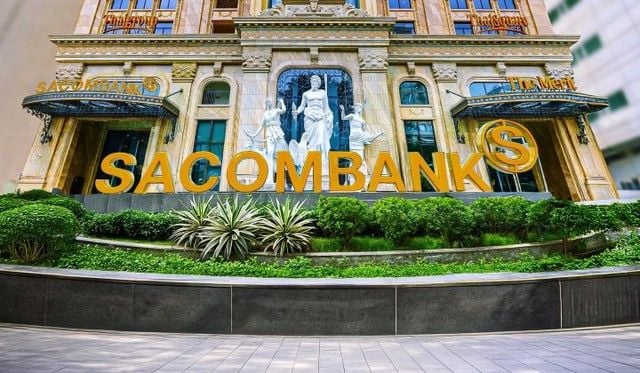
Sacombank’s Chairman of the Board, Mr. Duong Cong Minh, on behalf of the Board, signed a resolution on April 20 approving a number of supplementary documents to be presented to the ordinary general meeting scheduled for April 22.
Notably, the Board of Directors canceled agenda item 25/2026/TT-HĐQT dated March 18, 2026, which related to extending the post-merger restructuring plan.
During the morning trading session on April 21, Sacombank’s shares rose sharply, reaching the ceiling at 68,600 dong per share. The ceiling bid volume was reported at millions of units.
Bank leadership said that while the bank had worked to implement measures under the restructuring plan, some items could not be completed on schedule. The main reasons cited were challenges in handling and recovering bad debts, as well as difficulties in dealing with collateral assets of overdue loans due to reliance on legal proceedings. Some collateral assets were described as having complex legal characteristics, requiring more time to complete procedures.
On audit findings, Sacombank stated that addressing remaining issues would be linked to strengthening the governance system, procedures, and organizational structure. The bank said it would continue comprehensive restructuring of the entire apparatus to improve operating efficiency, governance capacity, and risk control. As initially planned, the Board will present to shareholders an extension of the restructuring plan until the end of 2030.
At the AGM, Sacombank will also approve several important matters, including:
As of now, the Board of Sacombank has seven members, with Mr. Duong Cong Minh serving as Chairman.
Sacombank is continuing its plan to change the bank’s name. The bank is planning to rename from “Saigon Thuong Tin Joint Stock Commercial Bank” to “Saigon Tai Loc Joint Stock Commercial Bank.” The Vietnamese abbreviation would change from “Ngân hàng Sài Gòn Thương Tín” to “Ngân hàng Sài Gòn Tài Lộc.”







Premium gym chains are entering a “golden era” that is ending or already in decline, as rising operating costs collide with shifting consumer preferences toward more flexible, community-based ways to exercise. Long-term memberships are shrinking, margins are pressured by higher rents and facility expenses, and competition from smaller, more personalized…




