•
•
•
•
•
•
•
•
•
•
•
•
•
•
•
•
•
•
•
•
•
•
•
•
•
•
•
•
•
•
•
•
•


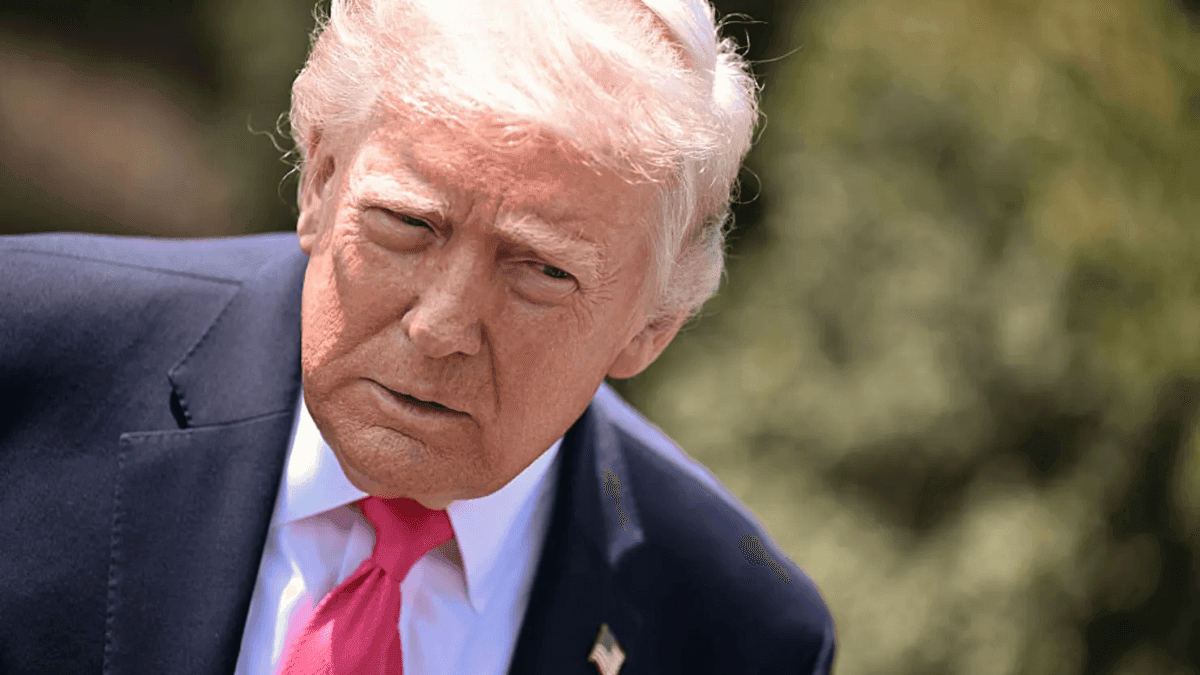
Ceasefire talks between the United States and Iran are set to expire as President Donald Trump escalates pressure on Tehran, warning that “a lot of bombs will start to explode” if the two sides do not reach a deal before the ceasefire ends Tuesday evening, U.S. time. Trump made the remarks during a call with a PBS journalist, while the prospects for further peace talks—and key details of any potential agreement—remain unclear.
Trump continued to threaten large-scale military action against Iran, returning to a hard-line stance he had sharpened two weeks earlier before a temporary ceasefire was reached. Over the past two days, his messaging to the press has shifted, moving between emphasizing military pressure and suggesting negotiations could resume, but without providing specific terms.
To date, the concrete content of any potential agreement has not been outlined. The Trump administration has repeatedly insisted Iran must not have a nuclear weapon. On Friday, April 17, Trump said the United States would reclaim the amount of enriched uranium that he says remains buried underground following U.S. and Israeli air strikes on Iran’s nuclear facilities last year.
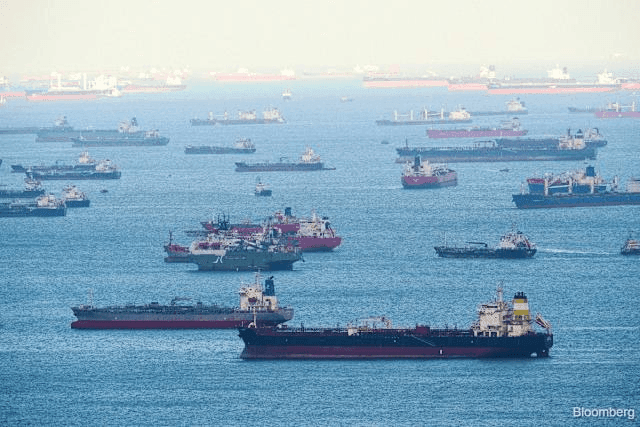
Trump also demanded that Iran reopen the Hormuz Strait for navigation. The route is a strategic transit corridor for the global energy market and has been nearly paralyzed since fighting began on February 28. Disruptions have pushed world oil prices higher, while the United States has pressed to blockade Iran’s ports near Hormuz during the ceasefire.
In a Truth Social post Monday afternoon, Trump argued that the U.S. blockade is “destroying Iran” and said Washington would only lift the measure once a deal is reached. He also said the proposed agreement would be “much better” than the nuclear agreement reached under President Barack Obama, which Trump scrapped early in his presidency.
Trump further said he was not under pressure to reach a deal within six weeks—a deadline he had previously cited for the conflict—writing, “I will not let them push the United States into signing a worse deal.” In an interview with Fox News on Sunday, he warned that Iran could face large-scale attacks if it does not sign the deal, adding that critical infrastructure such as bridges and power plants could be targeted.
Despite the heightened rhetoric, Washington is preparing to send a delegation back to Pakistan to push for a second round of peace talks with Iran. A CNBC source said the delegation is expected to arrive soon in Islamabad, suggesting the talks team may not have begun moving yet, contrary to Trump’s earlier claim that officials were “on the way right now.”
The first round of talks in Islamabad earlier this month ended without an agreement after 21 hours of negotiations. The talks were led by Vice President JD Vance and two special envoys, Steve Witkoff and Jared Kushner. Trump confirmed to the New York Post that the same trio would participate in round two.
As of Monday, Iran’s participation in the next round remained unclear. In a press briefing, Iran’s Foreign Ministry spokesperson said the country has no plan to negotiate with the United States. However, the New York Times later cited two senior Iranian officials saying a Tehran delegation is preparing to travel to Islamabad on Tuesday to meet the United States.
Iranian President Masoud Pezeshkian also emphasized that the long-standing confrontation between Tehran and Washington would remain a major obstacle to negotiations, saying on X that Iranians “will not yield to pressure.”
The United States and Iran previously agreed to a ceasefire lasting two weeks on the evening of April 7, shortly before Trump warned that “a civilization will disappear” if no deal is reached. The temporary agreement quickly came under strain as both sides accused the other of violating its terms.
On Sunday, Trump said the U.S. Navy intercepted and seized a cargo ship flying an Iranian flag that was suspected of attempting to pass through the blocked zone near Hormuz. The corridor normally accounts for about 20% of global oil consumption, and Trump’s comments came amid continued criticism of Iran for not reopening Hormuz.



Premium gym chains are entering a “golden era” that is ending or already in decline, as rising operating costs collide with shifting consumer preferences toward more flexible, community-based ways to exercise. Long-term memberships are shrinking, margins are pressured by higher rents and facility expenses, and competition from smaller, more personalized…