•
•
•
•
•
•
•
•
•
•
•
•
•
•
•
•
•
•
•
•
•
•
•
•
•
•
•
•
•
•
•
•
•


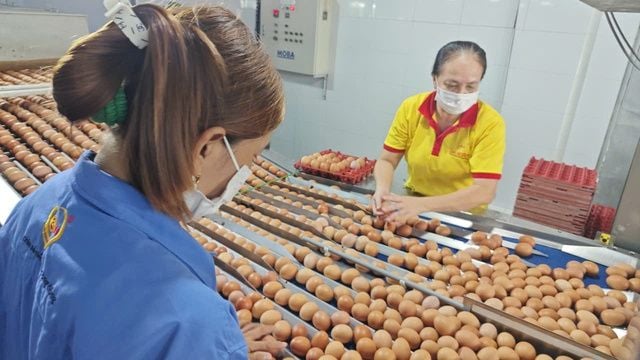
Ba Huân Joint Stock Company (Ba Huân brand) is closely associated with Ms. Pham Thi Huan, who has described herself as having limited formal education and not being fluent in English, but determined to apply technology to egg production to deliver cleaner eggs at affordable prices for consumers.
Ba Huân’s growth is tied to its ability to withstand major shocks in the poultry sector. The H5N1 avian influenza outbreak in 2003–2005 is described as the most serious crisis in Huan’s career. Instead of withdrawing from the market, she sold land and other assets to import a modern egg-processing line from Europe, enabling the company to re-enter and expand its operations.
In early 2013, domestic egg prices rose sharply due to external factors. Authorities intervened, and Ba Huân and other local producers coordinated to stabilize prices, which the brand later used as a positive reference point.
During the COVID-19 period in 2021, egg prices again surged. Ba Huân reportedly kept prices stable to support consumers, while the company continued to perform well and strengthen brand recognition.
2022 is described as a “golden period” for Ba Huân. The company reported a presence in around 3,000 supermarkets nationwide, exports to multiple countries including the US, Singapore, Japan, and Malaysia, and total assets of about 3.2 trillion VND. It also reported more than 100 hectares of land, over 900 employees, and more than 150 product codes.
In March 2022, Pham Thi Huan announced the sale of 25% of shares and the appointment of Tran Viet Hung (born 1985) as CEO. In August 2022, Hung became the company’s legal representative, while Huan moved to Chair of the Board. The article also notes that partners signed 50-year commitments to remain with the Ba Huân brand.
Towards the end of 2025, Ba Huân reportedly owed more than 51 billion VND in taxes and faced customs restrictions on exports and imports. In an interview with Nguoi Lao Dong on November 13, 2025, Huan said she initially sold 59% of the shares and retained 41%. She added that later, a partner demanded to buy all shares or return the invested funds, leading to changes in ownership and legal representation. Huan stated she no longer controls operations, remaining as an honorary chair, and acknowledged that the company has incurred losses and tax debts.
In 2026, the financial strain continued. Ba Huân reportedly owed nearly 8.6 billion VND to social insurance (BHXH) over more than 13 months for 136 employees. The article also states that earlier, on November 17, 2025, the company owed more than 7.8 billion VND to BHXH for 414 employees, suggesting debt growth even as the workforce declined.
Recently, Ba Huân announced that its egg-processing plant in Bình Chánh will suspend operations from May 16 due to unstable input materials and rising operating costs. The company said it would pay wages and settle BHXH debts to protect employees’ rights.
Market observations in Ho Chi Minh City indicate Ba Huân’s presence in supermarkets has diminished. The article says only two product codes were available in the 2026 Tết stabilization program, down from the previous period.






Premium gym chains are entering a “golden era” that is ending or already in decline, as rising operating costs collide with shifting consumer preferences toward more flexible, community-based ways to exercise. Long-term memberships are shrinking, margins are pressured by higher rents and facility expenses, and competition from smaller, more personalized…




