•
•
•
•
•
•
•
•
•
•
•
•
•
•
•
•
•
•
•
•
•
•
•
•
•
•
•
•
•
•
•
•
•


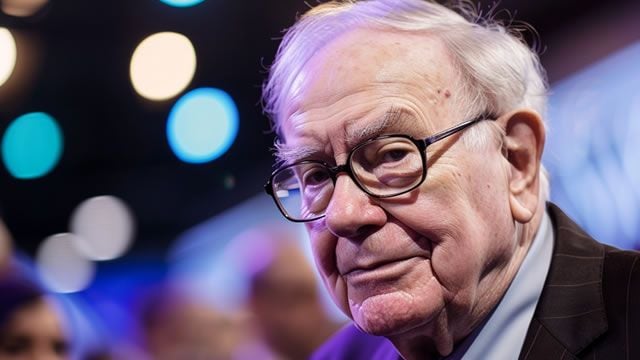
I flew to Omaha this week to attend the first Berkshire Hathaway shareholder meeting in six decades not led by Warren Buffett as CEO. My conversations with more than 20 shareholders, analysts, and executives pointed to an uncertain future for the iconic gathering now that Buffett has stepped out of the spotlight.
Berkshire’s annual weekend in Buffett’s hometown—often dubbed “Woodstock for Capitalists”—draws tens of thousands of people from around the world for shopping, learning, networking and other events. Buffett, 95, surprised the business world last year when he announced he would retire at the end of the year. His hand-picked successor, Greg Abel, head of Berkshire’s non-insurance operations, took over as CEO on New Year’s Day 2026.
For this year’s meeting, Buffett chose to sit in the audience during the main event, an hours-long Q&A session, while Abel hosted. Several attendees said that change contributed to expectations of a smaller crowd.
Ajay Sharma, 42, a graduate research assistant at the University of Nebraska Medical Center who also works as a ride-share driver, said last year’s meeting was unusually lucrative for him. During last year’s event, he told me he made “double the hourly money” he usually earns, picking up passengers from hotels about 12 miles from the city center because hotels were full and restaurants were crowded.
Sharma said a potential decline in attendance was a “real concern,” arguing that “everyone in the city” benefits from the meeting’s “huge economic impact.”
Alston Li, an 18-year-old college student who drove from Houston to attend for the first time, described a “pessimistic” mood in Omaha, saying “the legendary people are passing away” and Buffett could follow soon. Charlie Munger, Buffett’s longtime business partner, died at age 99 in late 2023.
Dan Sheridan, CEO of Berkshire-owned Brooks Running, said the meeting’s appeal extends beyond seeing Buffett or Abel in person. Speaking in the CHI Health Center exhibit hall, he described the gathering as an annual “reunion” for many shareholders, adding: “There’s something unique and special about that that I think could live on.”
Jeremy Padawer, president of Squishmallows-maker Jazwares, said some people may not fully appreciate what community means, but he argued that Berkshire’s fans share a “very similar vibe to a show like this,” where “this is their universe.”
It was unclear how many fewer attendees there were this year, but multiple figures emerged from conversations and commentary.
David Kass, a finance professor at the University of Maryland and longtime Berkshire blogger, wrote on X that attendance was “about 25,000, down from 40,000 last year.”
Tillman Versch, 40, an unofficial tour guide for the Berkshire meeting who organizes book signings and other events, said he observed a 50% to 70% drop in online traffic for his meeting guide. He attributed part of the decline to Abel having a smaller public profile and less YouTube presence than Buffett.
Versch also said fewer people traveled to Omaha this year because they were less willing to pay for the chance to see Abel talk instead of Buffett, whom he described as the “Taylor Swift of investing.” He added that violent protests, political tensions, and changes to visa requirements may have further reduced travel. He also said demand had been “pulled forward” in recent years as people tried to see Buffett and Munger before it was too late.
On Saturday, the central arena at the CHI Health Center felt “significantly less full” than it was last year, when the meeting marked the 60th anniversary of Buffett’s takeover of Berkshire.
Jay Williams, 40, a real estate investor from Florida, said she deliberately slept in on Saturday because she expected the arena would not be as packed as in previous years. She said she was still enjoying the less crowded meeting and that “the networking is still there,” adding: “I feel the energy is the same.”
During this year’s meeting, Buffett invited Tim Cook to take a bow and later sat for a surprise backstage interview that was broadcast to the audience. Abel then addressed questions and discussed multiple Berkshire subsidiaries, including BNSF Railway, while fielding topics such as AI, fossil fuels, and his management style.
After the Q&A, Bill Hughes, 41, a financial advisor from Oklahoma, said he saw “definitely fewer people” than last year, when an “absolutely insane” number of visitors came to Omaha to see Buffett. Hughes said some attendees feared it could be their last chance after Munger’s death.
Hughes said the change was not primarily about Abel. “So I don’t think it’s so much Greg,” he said. “I think it’s just that it’s not Warren and it’s not Charlie.” He predicted attendance would “build back up” in future years, suggesting ideas such as reintroducing funny videos from past meetings, extending shopping hours, and hotels cutting prices.
Brett Gardner, author of “Buffett’s Early Investments,” said Abel came across well onstage and was funnier than he had been in past appearances, but he questioned whether that would be enough to sustain the meeting long term. Gardner said he expected the event to shrink substantially after Buffett’s death, estimating it could fall to “maybe a couple thousand people,” and said he would be “very surprised” if it could fill a stadium a decade after Buffett is gone.



Premium gym chains are entering a “golden era” that is ending or already in decline, as rising operating costs collide with shifting consumer preferences toward more flexible, community-based ways to exercise. Long-term memberships are shrinking, margins are pressured by higher rents and facility expenses, and competition from smaller, more personalized…




