•
•
•
•
•
•
•
•
•
•
•
•
•
•
•
•
•
•
•
•
•
•
•
•
•
•
•
•
•
•
•
•
•


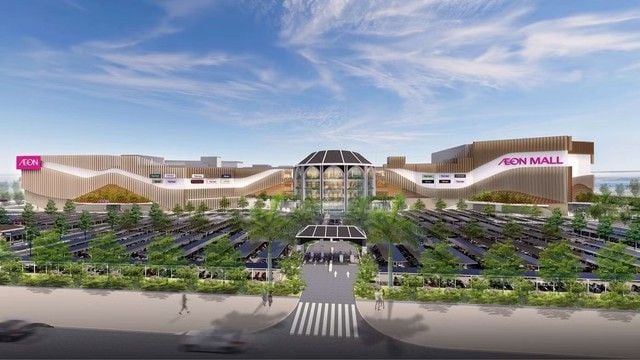
On May 11, 2026, in Hanoi, BIM Group and AEONMALL Vietnam Co., Ltd. formally signed a cooperation agreement to develop the AEON MALL Da Nang Hoa Xuan Commercial Center project. The deal represents the first collaboration between the two companies since their previous AEON MALL Ha Dong project more than a decade ago.
The AEON MALL Da Nang Hoa Xuan retail center project covers a land use area of approximately 101,800 square meters, with a total gross floor area of about 126,740 square meters. The estimated investment is about 4.381 trillion VND, equivalent to about 192.5 million USD.
The project is located in the southern gateway area of Da Nang, a zone planned to develop into a new urban core, supported by rapid urbanization and infrastructure investment.
BIM Group is a multi-sector conglomerate established in 1994, operating across real estate, resort tourism, renewable energy and agriculture–food. The company has been associated with large-scale projects in Quang Ninh, Phu Quoc, Ninh Thuan, Hanoi and Laos.
Upon completion, AEON MALL Da Nang Hoa Xuan is expected to become the largest retail center in Da Nang and the second AEON MALL in the city, alongside AEON MALL Da Nang Thanh Khe, which is currently under development in the city center.
AEON MALL Da Nang Thanh Khe is located on Dien Bien Phu Street in Thanh Khe district, in an area connecting Da Nang International Airport with the city center, about 5 minutes by drive from the airport.
The mall is planned to lease space in the retail podium of a complex developed by TTC Group, which includes a 4-star hotel, offices and apartments. The project has nearly 30,000 square meters of retail floor space with about 50 shops. The developer said about 45% of the shops will be brands debuting in Da Nang.
AEON MALL Da Nang Thanh Khe is scheduled to open in the summer of 2026.
Premium gym chains are entering a “golden era” that is ending or already in decline, as rising operating costs collide with shifting consumer preferences toward more flexible, community-based ways to exercise. Long-term memberships are shrinking, margins are pressured by higher rents and facility expenses, and competition from smaller, more personalized…