•
•
•
•
•
•
•
•
•
•
•
•
•
•
•
•
•
•
•
•
•
•
•
•
•
•
•
•
•
•
•
•
•


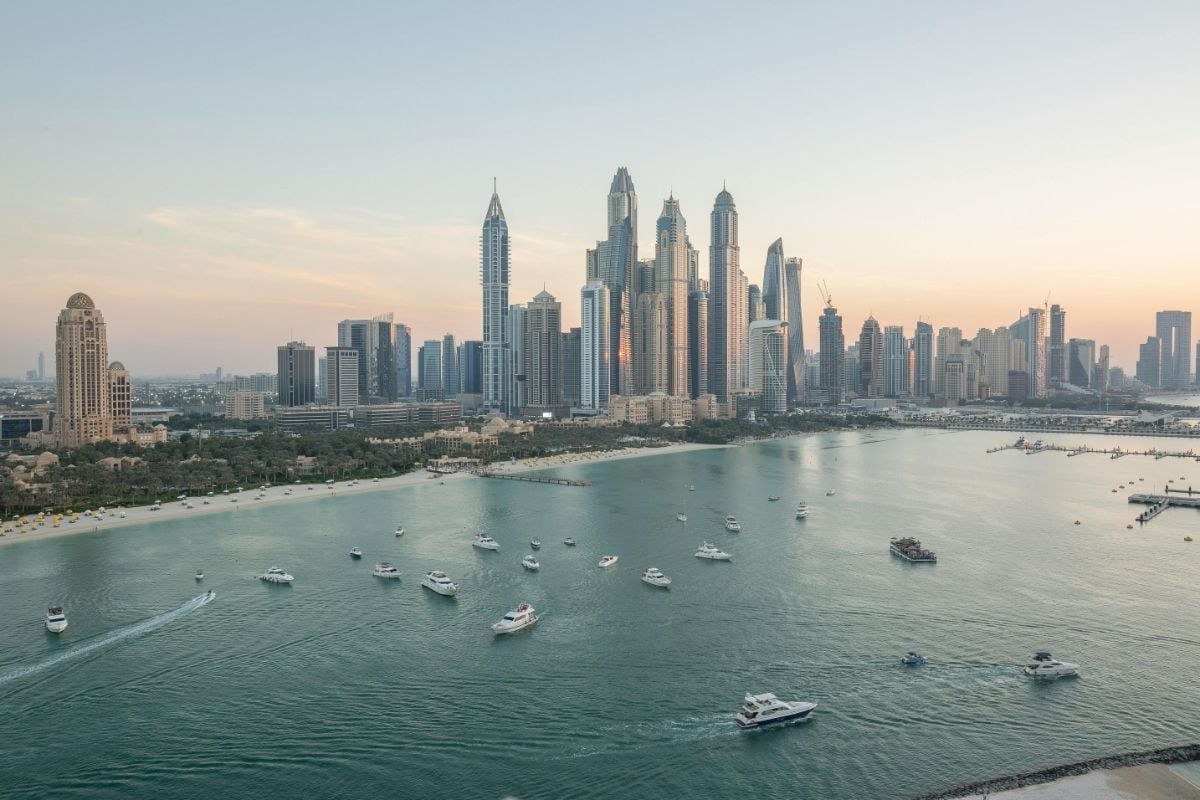
Coastal megacities are increasingly emerging as new growth engines, driven by large-scale migration toward shorelines. In Vietnam, projects including Vinhomes Green Paradise and the core area of Vinh Tien Bay are being positioned as hubs for people, capital, and experiences across the country and the wider region.
A Scientific Reports study cited in the article highlights the scale of the shift toward coastal living and working. Between 2000 and 2018, around 463 million people moved to coastal regions, equivalent to the population of 46 megacities.
The article links this trend to advantages coastal centers offer in logistics, tourism, trade, and quality of life. It points to Dubai as an example of how coastal development can unlock new growth space, transforming a desert town of about 20,000 people in 1950 into a major tourism, trade, and financial hub through land reclamation and coastal urban development along the gulf.
In Vietnam, unlocking coastal economic potential has gained increasing emphasis, supported by major transportation infrastructure investments. The article connects this to Ho Chi Minh City’s development focus on the Can Gio coastal gateway.
Ha Van Sieu, Deputy Director of Vietnam’s National Tourism Authority, describes Can Gio as a “city treasure” for tourism, citing the area’s mangrove ecosystem and large-scale projects such as ESG++ Vinhomes Green Paradise to expand growth potential in commerce and services.
Tran Quang Trung, Business Director at OneHousing, adds that reducing travel time from central Ho Chi Minh City to the coastal megacity to 13 minutes via the Ben Thanh–Can Gio high-speed rail is expected to boost mass tourism and consumer spending, supporting a services and hospitality ecosystem and helping elevate the region as a new growth pole for the South.
The article states that Can Gio’s development continues through Vinhomes Green Paradise, which is described as turning marshlands into a commercial, tourism, leisure, and residential hub for Ho Chi Minh City. It compares the concept to Palm Jumeirah and The World Islands in Dubai.
Vinhomes Green Paradise is expected to attract 40 million visitors annually, and the article says about USD 11.6 billion will be invested to realize Can Gio as a growth driver. Investment priorities include transportation infrastructure such as the Ben Thanh–Can Gio high-speed railway, the Can Gio–Vung Tau sea-crossing bridge, and the Can Gio intermodal port connecting to the city center.
The article also highlights the Can Gio International Transshipment Port, described as a project capable of competing with leading regional ports in Singapore and Malaysia.
According to the article, Can Gio benefits from its proximity to Depot 7, the terminal of the Ben Thanh–Can Gio high-speed railway. This is presented as making the area the first touchpoint for people and capital when the megacity arrives, while the Vinhomes Green Paradise location is described as the starting point and driver of the broader life cycle of living, enjoying, and entertainment.
At the strategic gateway of Vinhomes Green Paradise, the article says Masterise Agents presents two low-rise subareas—Compound and Rowhouse—described as vibrant centers of the project with iconic amenities designed to attract domestic and international visitors.
The article identifies golf as a key highlight, noting that the industry contributed about USD 1 billion in tourism revenue for Vietnam in 2025. At Vinh Tien Bay, it cites two 155-hectare golf courses, designed by Robert Trent Jones and Tiger Woods, and adds that greens are adjacent to the Rowhouse area.
To support Can Gio’s tourism positioning, the article points to Blue Waves Theatre as a Southeast Asia’s largest theatre complex. It states that every square meter was designed by Gensler, referencing the firm’s work on Incheon Airport (Korea), Lenovo Center (USA), and Shanghai Tower (China).
In the Compound area, the article says each villa includes a backyard that becomes a beach of Paradise Lagoon. It describes Paradise Lagoon as the world’s largest man-made lagoon, spanning more than 800 hectares, and claims it surpasses Guinness-recognized records such as San Alfonso del Mar in Chile. It also states that even Dubai’s Mohammed Bin Rashid Al Maktoum District 1 lagoon cannot compare in scale.
In the Rowhouse area, residents are described as having unique beaches just behind their homes.
As Can Gio moves into the orbit of a coastal megacity’s development, the article concludes that Vinh Tien Bay’s Compound and Rowhouse subareas are expected to be focal points for high-end commerce, tourism, and lodging—aimed at unlocking sustainable value for owners.
Premium gym chains are entering a “golden era” that is ending or already in decline, as rising operating costs collide with shifting consumer preferences toward more flexible, community-based ways to exercise. Long-term memberships are shrinking, margins are pressured by higher rents and facility expenses, and competition from smaller, more personalized…