•
•
•
•
•
•
•
•
•
•
•
•
•
•
•
•
•
•
•
•
•
•
•
•
•
•
•
•
•
•
•
•
•


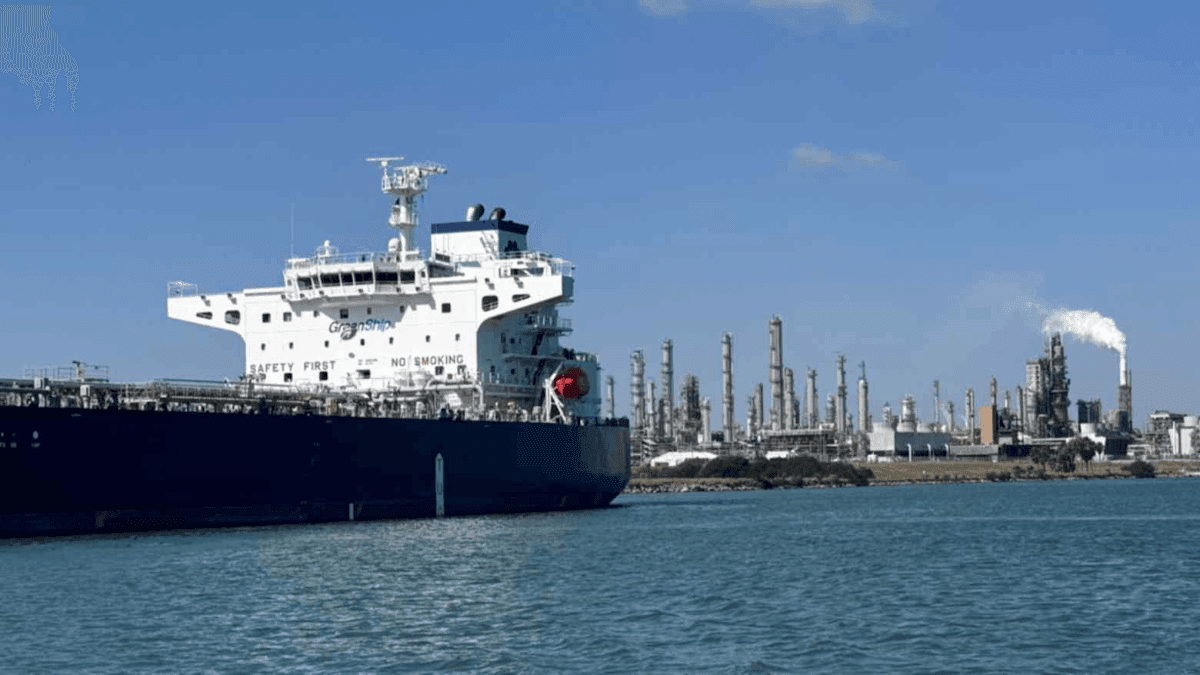
Indonesia has become the sixth-largest supplier of crude oil to China in the first quarter of 2026, with imports from Indonesia surging more than 100-fold year on year in March, according to customs data cited by Chinese media.
China is expanding crude-oil purchases from multiple sources, including the United States, to strengthen energy security and improve its negotiating position ahead of a visit to Beijing by U.S. President Donald Trump this week. Trump is expected to hold a summit with Chinese President Xi Jinping.
Energy-industry sources cited by Nikkei Asia said an Iranian crude-oil tanker has left the Hormuz Strait and is heading toward Southeast Asia via the Lombok Strait in Indonesia. The cargo is reportedly set to be transferred offshore in Indonesia to another vessel for continuation to China.
Before the U.S. and Israel launched a military operation in Iran on Feb. 28, China was believed to have bought about 90% of Iran’s crude exports through third countries, including Malaysia. In recent months, however, at-sea transfers of Iranian crude to reach China appear to have expanded from waters off Malaysia to waters off Indonesia as well.
China’s continued purchases of Iranian oil suggest Beijing remains a key economic backer for Tehran. The arrangement also provides China with leverage with Washington amid ongoing U.S. efforts to negotiate an end to the Iran conflict.
China imports about 70% of its crude needs, with nearly half coming from the Middle East. Disruption of the Hormuz route has therefore directly affected supply. In Q1 2026, imports from Saudi Arabia fell by about 30%, while imports from Iraq declined sharply.
Russia has helped offset part of the shortfall. In Q1, Chinese imports of crude from Russia rose by 30%. Chinese media said the Russia–China crude-pipeline link is operating at full capacity, and the number of Russian oil tankers arriving at Chinese ports has increased.
Thanks to additional purchases from Russia, Brazil and other markets, China’s total crude oil imports in Q1 still rose by 9%, even though March imports fell by 3%.
Buying from multiple sources reduces China’s dependence on any single region or supplier, lowering exposure to energy-related pressure in negotiations, including with the United States. Unlike some other large oil-importing countries such as Japan, China has not yet drawn from strategic reserves despite supply disruptions linked to the Iran conflict.
Alongside strengthening its strategic position, China also wants to highlight the economic benefits it can bring to the United States, particularly through energy orders, during the upcoming summit.
Nikkei Asia sources said about 15 U.S.-flagged crude carriers left U.S. ports in April, with calls expected at Chinese ports in May, including Ningbo and Qingdao.
Some observers believe the timing of U.S. crude cargoes arriving in China could be coordinated with U.S.–China talks during Trump’s visit.
Earlier, LNG carriers left the United States in February ahead of Trump’s Beijing visit, which was originally scheduled for late March but postponed due to the Iran conflict. China later deemed that LNG unnecessary and sold it back to Korea.
With U.S. midterm elections due in November, Trump is expected to seek a strong economic outcome from the Beijing trip. A Beijing-based foreign-policy expert said China could signal large-scale crude and LNG orders aligned with Trump’s priorities.
The Trump–Xi meeting is expected to cover tariffs, export controls on chips and rare earths, as well as Iran and Taiwan. With a diversified energy-supply network, Beijing is believed to have leverage and room to secure more favorable terms with Washington.
Premium gym chains are entering a “golden era” that is ending or already in decline, as rising operating costs collide with shifting consumer preferences toward more flexible, community-based ways to exercise. Long-term memberships are shrinking, margins are pressured by higher rents and facility expenses, and competition from smaller, more personalized…