•
•
•
•
•
•
•
•
•
•
•
•
•
•
•
•
•
•
•
•
•
•
•
•
•
•
•
•
•
•
•
•
•


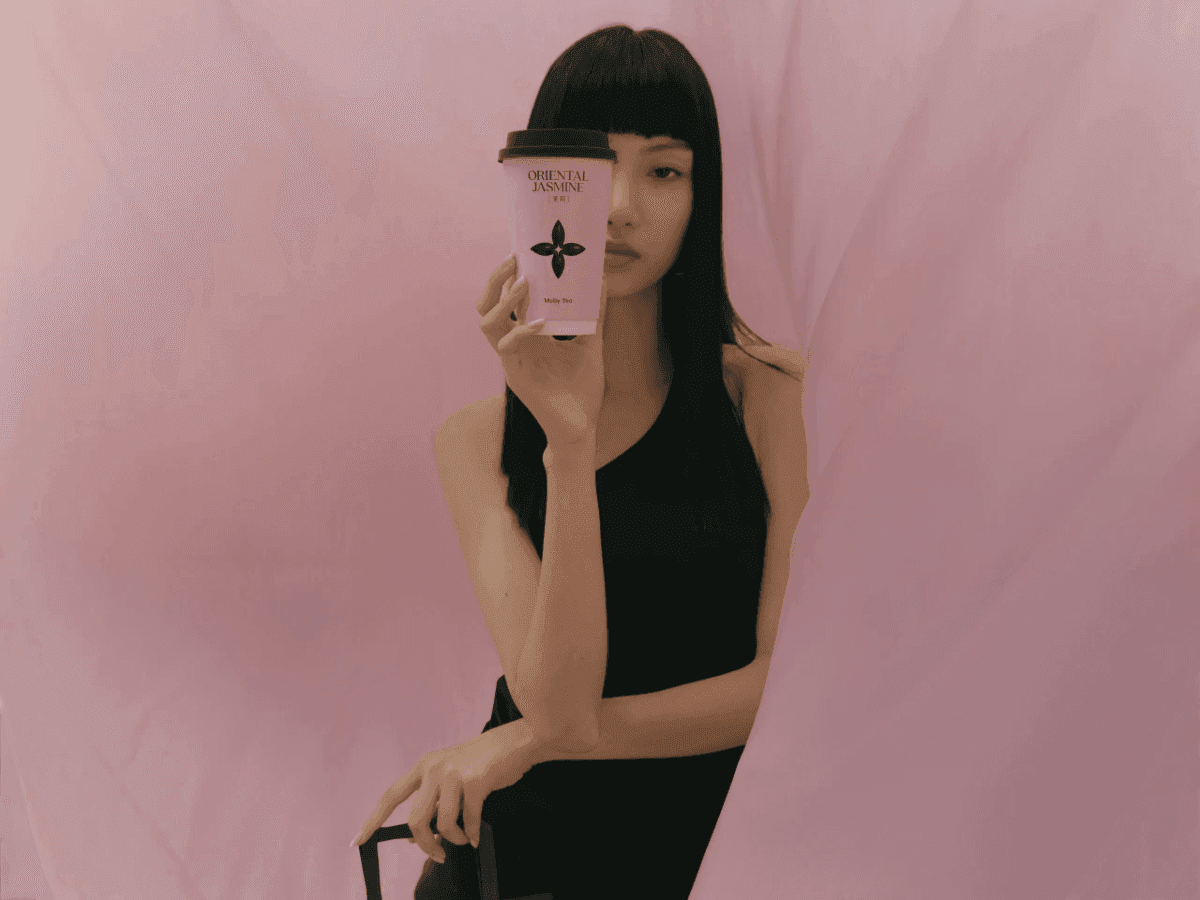
The soft power influence of China may be expanding faster—and wider—than many earlier predictions, according to a growing online phenomenon known as “Chinamaxxing,” which has become one of the most discussed trends in Q1 2026.
Chinamaxxing blends a wellness-style trend with geopolitically tinged branding. It is increasingly taking the form of a user-driven promotional campaign for China, with participants posting videos about adopting Chinese daily habits, entertainment, aesthetics, and products—often stating they are becoming “more Chinese” or entering “a very Chinese phase.”
Lang Xiao, founder of ARTouch Consulting and a cross-cultural strategy expert, said that “issues such as appearance and performative behavior drive fast, surface-level spread more than deep cultural understanding.” She added that the trend can still extend beyond visuals into broader lifestyle and behavioral changes.
Although Chinamaxxing could help domestic brands reach international markets, it did not originate as a marketing campaign or a government initiative. Instead, it spread through the attention economy, with content creators driving the conversation.
One early accelerant was Sherry Zhu, an American-born Chinese content creator. Her satirical video series teaching non-Chinese speakers how to “become Chinese” through lifestyle choices drew tens of millions of views and helped spark imitator content.
As the trend expanded, it incorporated more distinctly Chinese elements, including congee, Tsingtao beer, qigong, traditional Chinese medicine, and the habit of drinking hot water.
The rise of Chinamaxxing aligns with the broader international expansion of Chinese consumer brands. The Labubu craze in 2025 is cited as a sign of growing global influence: Pop Mart’s North American revenue rose roughly 900% year-over-year in Q1 2025, and by mid-2025 its market capitalization surpassed the combined value of Hasbro, Mattel, and Sanrio.
Chinese bubble tea chains have also expanded internationally, including in Singapore, Sydney, London, and Los Angeles. According to CNN, Mixue now operates more stores worldwide than McDonald’s or Starbucks. Haidilao is reported to have more than 1,400 restaurants across 16 markets.
The article characterizes these companies as established businesses using social media to attract customers and build durable brand recognition in international markets, rather than simply chasing a short-lived online trend.
The trend is framed as part of a shift in how Western consumers view Chinese products and lifestyles. It suggests that Chinamaxxing may help lay groundwork for a generation of international customers who are more familiar with Chinese brands and more comfortable with Chinese offerings across fashion, food, wellness, and technology.
With Pop Mart’s momentum and TikTok’s global reach, the soft power influence of China may be expanding faster—and wider—than many previous forecasts.

Premium gym chains are entering a “golden era” that is ending or already in decline, as rising operating costs collide with shifting consumer preferences toward more flexible, community-based ways to exercise. Long-term memberships are shrinking, margins are pressured by higher rents and facility expenses, and competition from smaller, more personalized…