•
•
•
•
•
•
•
•
•
•
•
•
•
•
•
•
•
•
•
•
•
•
•
•
•
•
•
•
•
•
•
•
•


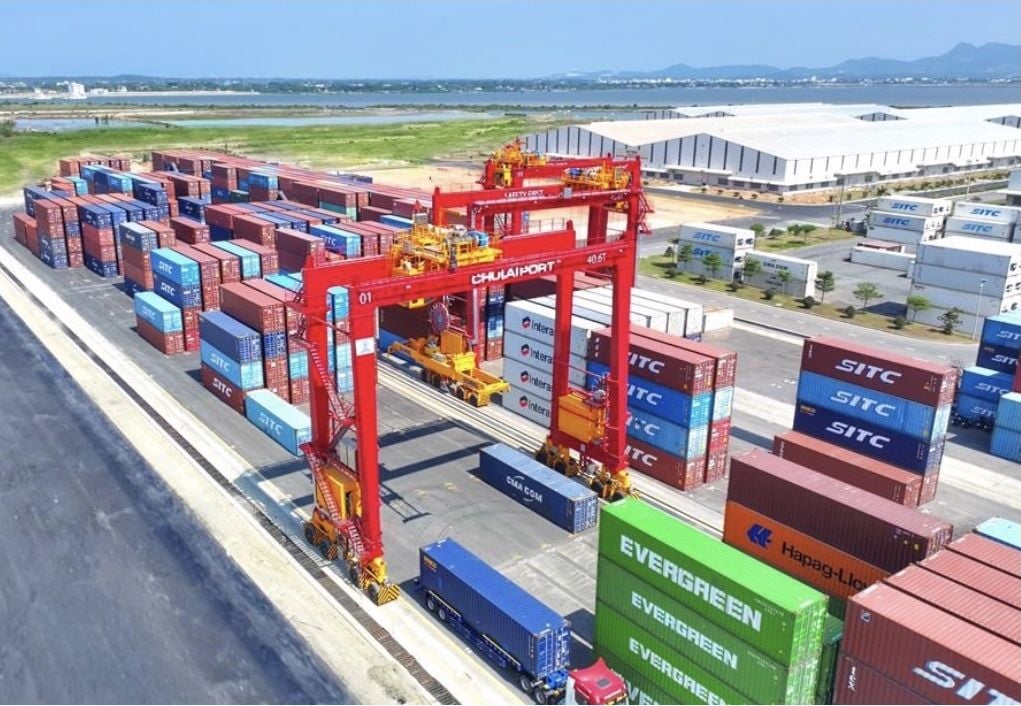
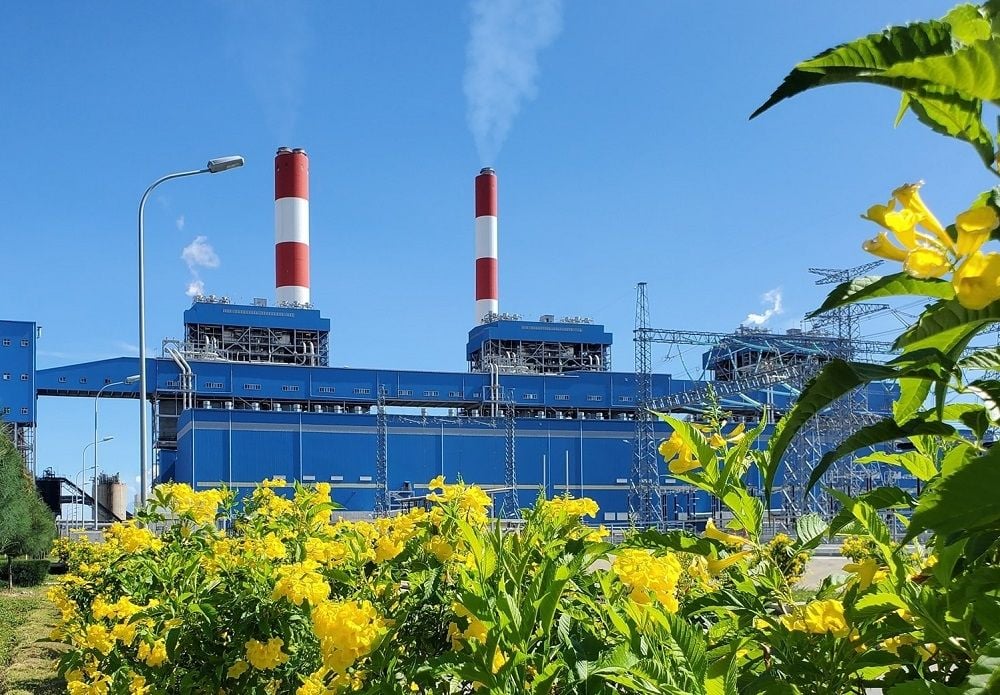
With a sustainable development orientation and priority given to high-tech industries, Chu Lai Open Economic Zone (Da Nang) is gradually affirming its position on Vietnam’s economic map. The zone is one of Da Nang’s important economic development projects and is increasingly attracting both domestic and foreign investors.
Established by Prime Minister’s Decision No. 108 dated June 5, 2003, and with adjustments to the General Construction Plan through 2035 (vision to 2050), Chu Lai Open Economic Zone covers a total natural area of 27,040 hectares. The zone functions not only as an industrial hub but also as a diversified development model with multiple functional zones.
Since its establishment, Chu Lai Open Economic Zone has attracted significant investor interest due to its strategic location and improving infrastructure. Situated in central Vietnam, the zone benefits from transport links to national highways, connectivity to the Central Highlands, and its own seaport and international airport. These advantages support the movement of goods and enable connections to major regional and global markets by sea and air.
A key feature of Chu Lai Open Economic Zone is the diversity of its functional zones. The industrial park is designed to attract high-tech industries, clean industries, and lower-emission production. This approach supports environmental protection while enabling high value-added products that align with increasingly stringent international market requirements.
In addition, the bonded area and the logistics port complex are positioned to strengthen trade and logistics services, facilitating import–export activities for businesses.
A prominent example of investment success in Chu Lai Open Economic Zone is THACO Truong Hai Group. As a pioneer investor, THACO has reported significant economic and social impact despite challenges. In 2025, THACO maintained growth momentum, supported by accelerating digital transformation, smart factory development, technology mastery, and higher localization rates.
THACO has also expanded its presence in mechanical engineering and supporting industries. The group established an R&D center, inaugurated and operated multiple new plants in Chu Lai, and continued investing in aligned infrastructure and equipment. It also expanded its international logistics network and brought into operation a port with a 50,000-ton capacity, while opening additional sea routes to increase Chu Lai port’s capacity.
These steps are described as contributing to the gradual formation of an international logistics and cargo transshipment hub for Vietnam’s Central region, while expanding the production ecosystem to meet international standards and participate more deeply in global supply chains.
In 2025, THACO contributed over VND 21 trillion to the state budget, including more than VND 17 trillion to Da Nang. The company’s activities also created employment for tens of thousands of local workers, with stable incomes.
Beyond industrial development, Chu Lai Open Economic Zone also focuses on concentrated tourism and service zones, urban areas, and training centers. These elements are intended to improve residents’ quality of life and attract high-quality human resources. The concentrated tourism and service zones are positioned to serve both local entertainment needs and visitors from within and outside Vietnam, while training centers aim to supply highly skilled personnel for the zone’s industries.
The zone also highlights high-tech agriculture and rural residential areas linked to craft-village tourism. This model combines agricultural production with tourism to raise local incomes while preserving traditional cultural values.
With its available potentials and advantages, Chu Lai Open Economic Zone is presented as an attractive destination for investors. Government support and investment incentive policies are also cited as important factors in attracting more large-scale projects. In the future, the zone is expected to continue developing robustly and contributing positively to the country’s economic growth.
According to economists, Chu Lai Open Economic Zone is not only an industrial center but also a diversified and sustainable development model. With prudent investment and a rational development strategy, it is expected to become one of Vietnam’s leading economic zones, bringing benefits to both investors and the local community.

Premium gym chains are entering a “golden era” that is ending or already in decline, as rising operating costs collide with shifting consumer preferences toward more flexible, community-based ways to exercise. Long-term memberships are shrinking, margins are pressured by higher rents and facility expenses, and competition from smaller, more personalized…