•
•
•
•
•
•
•
•
•
•
•
•
•
•
•
•
•
•
•
•
•
•
•
•
•
•
•
•
•
•
•
•
•


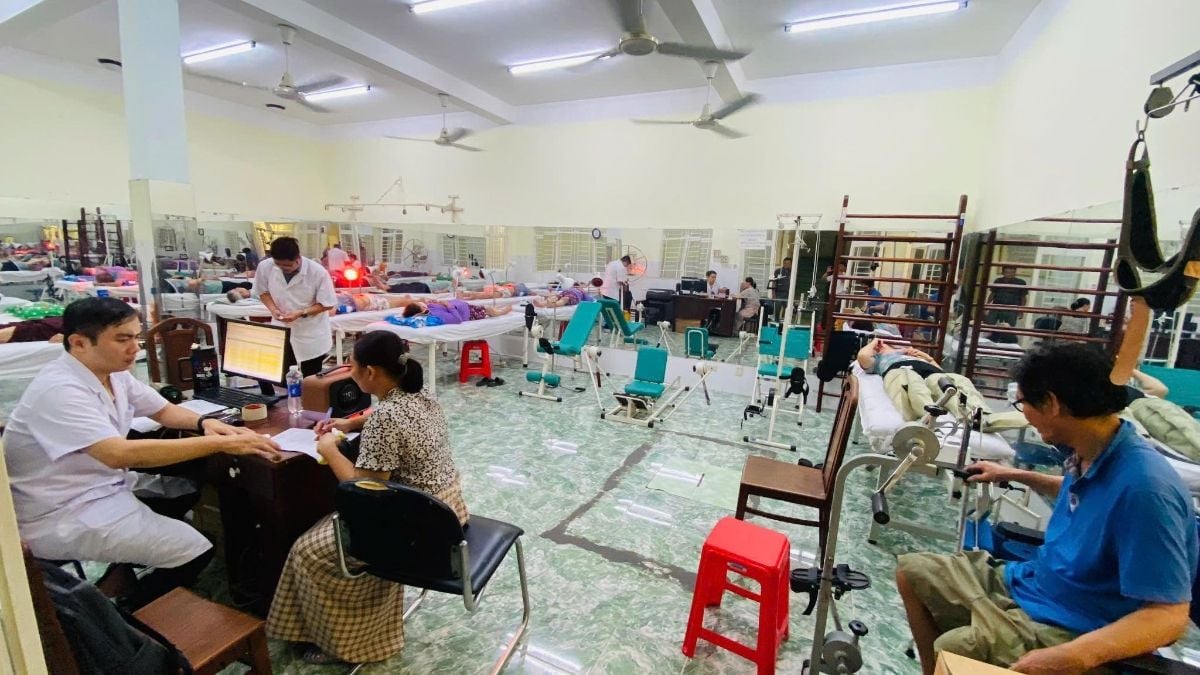
Community health posts at commune and ward level are increasingly becoming more than places for vaccination or initial first aid. Residents can now monitor their health and receive treatment closer to home, with traditional medicine services expanding across local facilities.
Ho Chi Minh City aims that by 2030, 100% of health posts will implement guidance on the use of traditional medicine in health care. Under Resolution 72, traditional medicine is defined as having clear potential and strength as an innovative solution to support both treatment and proactive prevention models.
In 2026, Ho Chi Minh City’s network for traditional medicine care has been deployed widely, ranging from specialty hospitals and general hospitals to ward and commune health posts. Around 75% of the city’s health posts have implemented traditional medicine examination and treatment, and many posts also use social media to provide information, guidance, and answer residents’ questions.
At An Hội Tây Ward Health Post, residents use acupuncture services alongside traditional medicine prescriptions. Reportedly, treatment costs are reasonable, and health insurance coverage applies even when residents register for initial examinations elsewhere. In An Nhơn Ward, the traditional medicine area is busy from early morning, with residents queuing for acupuncture and reflexology.
Pharmacist Trịnh Văn Tiến, Director of An Nhơn Ward Health Post, said frontline staff had not fully anticipated the shift in demand: “Today, health workers are no longer sitting around waiting for patients but are constantly busy meeting the growing demand for examination and treatment.”
Dr. Phạm Khắc Thành, Director of Gia Định Ward Health Post, said the unit has identified expanding traditional medicine services due to rising demand. At peak times, the post handles about 80 patients per day, averaging nearly 2,000 patients per month.
Common conditions treated include musculoskeletal disorders such as cervical and lumbar spondylosis, disc herniation, neck and shoulder pain, sciatica, and knee osteoarthritis. Insomnia and headaches are also increasingly common among both elderly residents and younger people, attributed to work and life pressures.
Traditional medicine services at these posts mainly use acupuncture, electroacupuncture, massage, and acupressure, often combined with physical therapy. The guiding principle is to apply traditional medicine where suitable, while cases requiring modern intervention are referred or treated in combination.
Associate Professor Dr. Cao Hoàng Thanh Liêm, Head of the Traditional Medicine and Rehabilitation Department at Tăng Nhơn Phú Ward Health Post, said the ward has around 10,000 elderly residents. Since traditional medicine has been integrated into periodic examinations, many elderly people return frequently for reflexology, infrared lamp therapy, and chronic condition management.
The People’s Committee of Ho Chi Minh City has issued a plan to develop traditional medicine in integration with modern medicine for 2025–2030. The plan targets that by 2030, 100% of health posts will have activities to consult on or provide traditional medicine in health care or organize traditional medicine examinations.
Dr. Cao Hoàng Thanh Liêm said early implementation has been well received: “After three months of implementation, the public responded very positively, so we will expand to more posts. The ultimate goal is for people to access local health services without traveling far, gradually improving quality to change the perception that health posts are only vaccination sites or places to change dressings.”
In Hanoi, Mr. Nguyễn Xuân Long’s health declined after a stroke in October 2025. After a course of acupuncture, reflexology, and physical therapy at the Long Biên Health Post, his health improved considerably. He said: “The doctors here are very enthusiastic, the facility is close to home and convenient. I decided to follow the post’s treatment plan because it fits my condition.”
Dr. Vũ Thị Minh Huyền, Specialist in Traditional Medicine and General Practice at Sa Đông Clinic – Long Biên Health Post, noted that the post treats nearly 30 patients daily. She said the clinic applies electro-acupuncture, reflexology, infrared lamp therapy, and mobility exercises, and depending on the patient also integrates cupping and aquapuncture. “Typically, after one or two treatment rounds, patients experience reduced pain and improved mobility,” she added.
Recently, Ha Đông Traditional Medicine Hospital and Ha Đông Ward Health Post signed a cooperation agreement to support expert guidance in diagnosing and treating residents in the area. At the signing, Mr. Nguyễn Đức Minh, Director of Ha Đông Traditional Medicine Hospital, stated that the hospital will advise and support technical expertise for Ha Đông Ward Health Post to implement traditional medicine services.
The hospital will also support training and transfer of traditional medicine techniques suitable for both units, and assign staff to rotate through the health post to supervise practice and directly guide teams in performing traditional medicine techniques, with the aim of improving treatment outcomes for residents.
Overall, traditional medicine at the grassroots level is increasingly affirming its role in primary health care. By expanding access to local services, it helps reduce the load on higher-level facilities and improves the quality of care, supported by investments in infrastructure and human resources.
Premium gym chains are entering a “golden era” that is ending or already in decline, as rising operating costs collide with shifting consumer preferences toward more flexible, community-based ways to exercise. Long-term memberships are shrinking, margins are pressured by higher rents and facility expenses, and competition from smaller, more personalized…