•
•
•
•
•
•
•
•
•
•
•
•
•
•
•
•
•
•
•
•
•
•
•
•
•
•
•
•
•
•
•
•
•


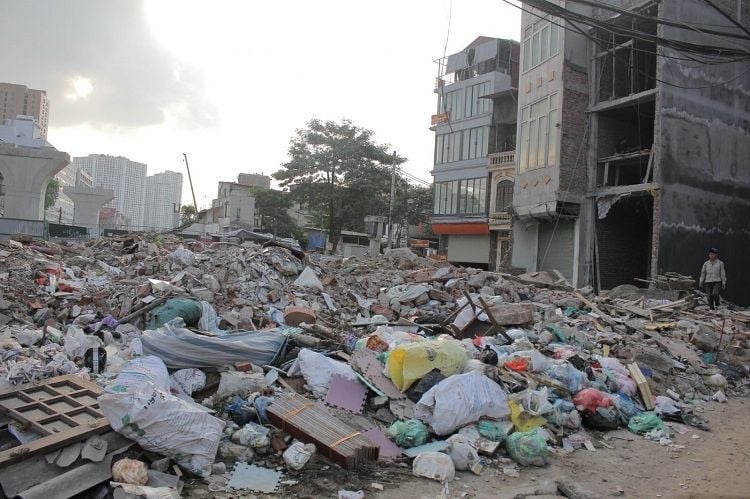
Vietnam is facing a rapid rise in construction waste, increasing from about 1.9 million tonnes in 2010 to around 9.6 million tonnes in 2025. While the growth creates room for treatment and recycling, it also highlights the need to develop green building materials and expand the use of recycled and regenerated inputs.
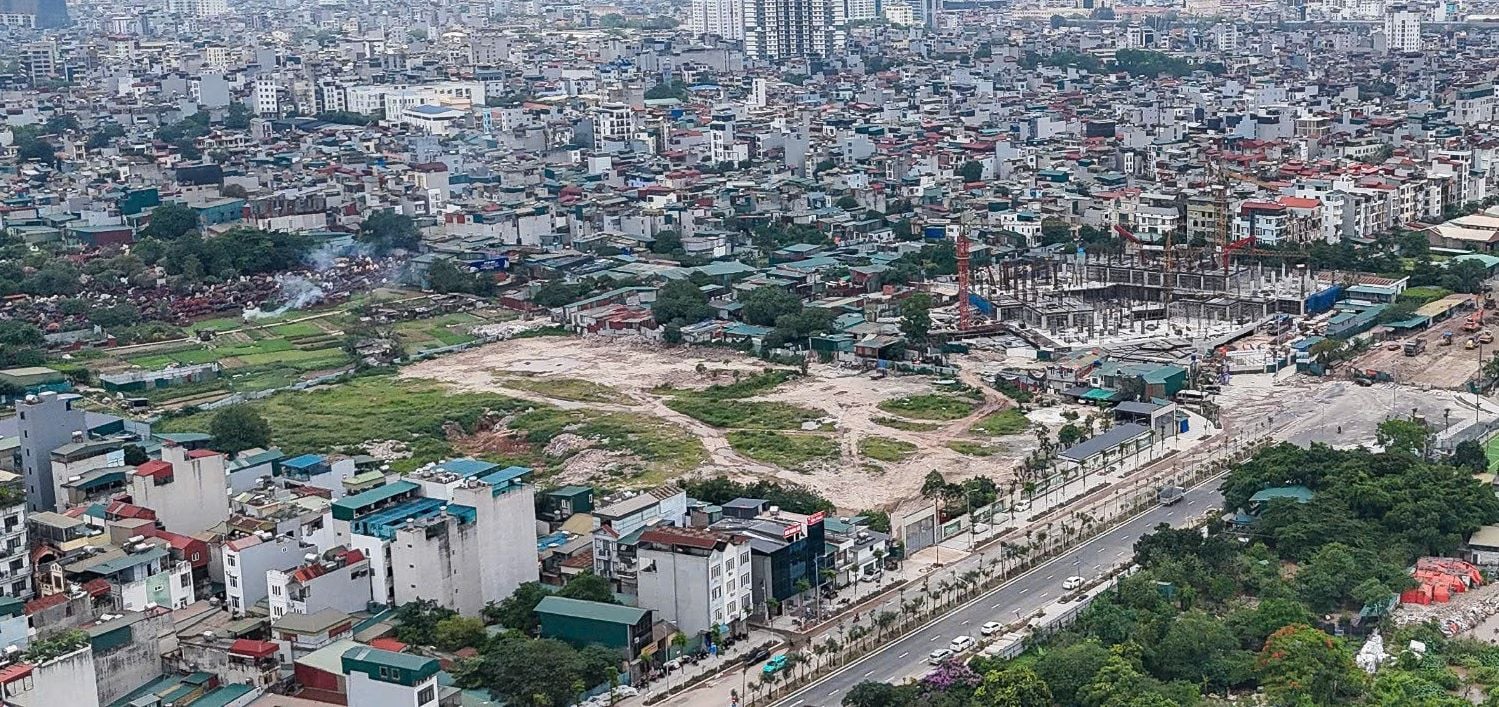
Large urban centers, including Hanoi, are seeing mounting construction waste volumes linked to fast urbanization and infrastructure development. Old apartment complexes and a growing number of new projects are being constructed, renovated, or demolished, contributing to higher waste generation.
In Hanoi, construction waste in 2024 was estimated at about 2,098 tonnes per day, equivalent to 25% of total municipal solid waste. The volume is projected to rise to 3,400 tonnes per day by 2030.
At a green materials conference, Professor Assoc. Prof. Dr. Van Viet Thien An, head of the Building Materials Department at Hanoi University of Civil Engineering, said construction waste in Vietnam accounts for 10–12% of total urban waste—around 60,000 tonnes per day—and could increase to 20–25% in major cities.
Demolition waste has significant potential for recycling and reuse as construction materials. Such measures can improve resource efficiency, reduce emissions, and support sustainable development. However, progress is constrained by unstable quality of recycled materials, limited waste separation at source, high processing and transport costs, and non-uniform standards.
Experts urged the completion of standard systems and the introduction of incentives, including taxes and usage quotas, alongside economic tools such as resource taxes and carbon taxes to reduce reliance on traditional materials. They also called for stronger enforcement, support for enterprises investing in technology, and the development of sorting systems and supply chains for recycled materials.
To accelerate a circular economy, experts recommended public-private partnerships and greater public awareness of green and recycled materials.
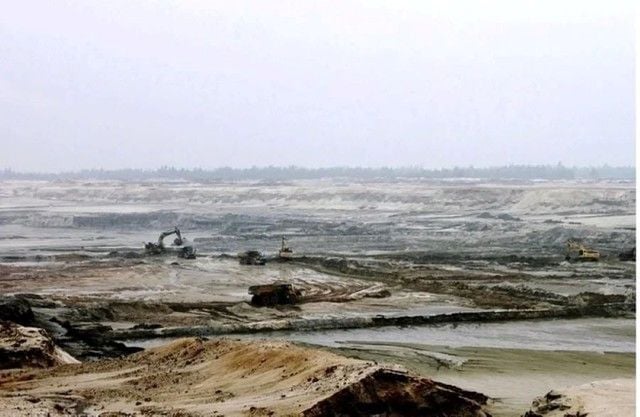
The article also points to substitute materials as a promising approach, including sea-sand mixed with fly ash, saltwater, and GFRP fiber-reinforced composites for coastal projects. These options are intended to reduce natural sand extraction and make use of industrial waste.
Ms. Nguyen Thi Tam, Director of the Environmental Center, said one of the core elements of sustainable construction is the use of green materials, including renewable materials and waste-derived materials. She noted that green materials can help reduce CO2 emissions, save energy and water, and ensure human health and safety.
Globally, the trend is to lower building energy consumption by using materials from renewable resources, health-friendly materials, sound-insulating and biodegradable options, alongside smart technologies and materials.
In Vietnam, the shift toward energy-saving, green, recycled, and low-emission materials is becoming more common. Recycling and reuse of materials are also increasingly mainstream. Proposed solutions include finalizing standards, policy support and incentives for recycled and regenerated materials, building databases on green and energy-saving materials, and establishing quality control infrastructure for products.
The Ministry of Construction is refining related legal documents, including a Decree on Alternative Building Materials (replacing Decree No. 09/2021/ND-CP) and a Circular on product quality management for building materials (replacing Circular No. 10/2024/TT-BXD). A proposed directive to create a framework for managing and developing building materials in line with the green transition, digital transformation, circular economy, resource and energy saving, and emission reduction is expected to support a transparent and stable investment environment for new technologies and new materials, and to expand markets for higher-quality, environmentally responsible building products.
In the long term, the article says, mechanisms to promote environmentally friendly materials and reuse construction waste will be key to sustainable projects.
Premium gym chains are entering a “golden era” that is ending or already in decline, as rising operating costs collide with shifting consumer preferences toward more flexible, community-based ways to exercise. Long-term memberships are shrinking, margins are pressured by higher rents and facility expenses, and competition from smaller, more personalized…