•
•
•
•
•
•
•
•
•
•
•
•
•
•
•
•
•
•
•
•
•
•
•
•
•
•
•
•
•
•
•
•
•


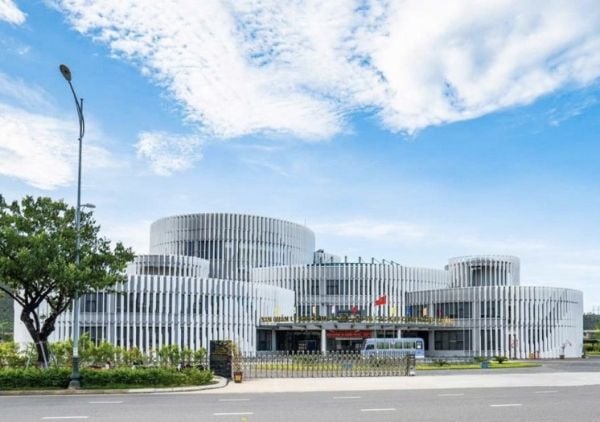
Against the backdrop of a volatile global economy, Da Nang has identified attracting investment into industrial parks and high-tech zones as a top priority. Under decisive direction from the city authorities, particularly Chairman of the City People’s Committee Nguyen Manh Hung, Da Nang is working to build a more favorable investment environment to draw both domestic and foreign investors.
Da Nang’s High-Tech Park and Industrial Zones Authority (DSEZA) said it currently administers a system of high-tech zones and industrial zones totaling over 10,563 hectares. The city views this as a key element of its economic development strategy, aimed at forming new growth poles and supporting sustainable development.
To achieve these goals, the city faces multiple challenges, including land clearance, investment certificate issuance, infrastructure upgrades, and the availability of a skilled workforce—especially for technology-intensive enterprises.
During a working session with DSEZA leadership on the afternoon of 21 April 2026, Chairman Nguyen Manh Hung emphasized the need to remove bottlenecks in surveying, land clearance, and investment certificate issuance. He directed relevant departments, agencies and units to proactively support and guide investors, while strengthening dialogue with enterprises to address difficulties in a timely manner. The aim is to prevent delays in major projects and create conditions for attracting capital.
A central focus of the city’s direction is accelerating administrative reform and digital transformation. DSEZA reported that 100% of administrative procedures are carried out in a digital environment, as Da Nang builds a modern, transparent and efficient management system.
The authority also highlighted the use of BIM-GIS technology and the digitization of infrastructure data to improve management efficiency and provide greater convenience to investors during project implementation.
Despite progress, Da Nang still needs to resolve several outstanding issues. These include an asynchronous delegation mechanism, a shortage of high-quality human resources, and infrastructure that does not fully meet requirements. The city also cited the high cost of land clearance and some projects delayed due to legal obstacles as barriers that need to be addressed.
DSEZA said it manages four functional-zone types with a total area of over 10,563 hectares and continues operating the “multi-functional zones, one hub” model. It also reported completing 76 procedures (100%) in the digital environment.
From 01 July 2025 to 16 April 2026, DSEZA processed 10,099 documents, received 409 dossiers, and resolved matters on time and within deadlines at a rate of 97.6%, with no overdue dossiers.
Digital transformation efforts are also expanding, including the application of BIM-GIS, digitization of infrastructure data, 100% electronic documents, and digital signatures. The authority noted that AI research for management and governance is being explored.
As of 31 March 2026, the functional zones had attracted 662 projects, including 181 FDI projects with total capital of over 2.59 billion USD and 481 domestic projects with total capital of over 51,648 billion VND.
In 2025, budget revenue reached 2,812.7 billion VND, up about 30% from the previous year.
With continued efforts to support and guide investors, Da Nang is seeking to strengthen its position as an attractive investment destination in Vietnam. The city authorities said the measures are intended not only to deliver near-term improvements but also to lay a foundation for sustainable development going forward.





Premium gym chains are entering a “golden era” that is ending or already in decline, as rising operating costs collide with shifting consumer preferences toward more flexible, community-based ways to exercise. Long-term memberships are shrinking, margins are pressured by higher rents and facility expenses, and competition from smaller, more personalized…